
The morning beverage ritual of high performers isn't about brand names or status signals - it's about deliberate choices that set up everything that follows. Here's what's actually behind those choices and why.
There is no shortage of content about what successful people do in the morning.
They wake at 4am. They meditate for an hour. They journal. They exercise. They read. They cold plunge. They review their goals. They visualize their day. The morning routine has become one of the most heavily documented and most hotly debated topics in the productivity and performance space - which has produced both genuinely useful insight and a significant amount of performative ritual that serves more as identity signaling than actual performance optimization.
Buried within the morning routine conversation is a more specific and more practically useful question: what do high-performing people actually drink to start their day, and why?
Not the brand names and Instagram-ready aesthetics - those are performance rather than practice. The actual beverages, the actual reasons behind them, the actual physiological logic that connects a specific morning drink choice to the quality of the hours that follow.
That question turns out to have a more interesting and more nuanced answer than most morning routine content acknowledges. The beverages that genuinely support high performance in the morning hours are not necessarily the ones that have the best marketing. They're the ones that address the specific physiological conditions that determine morning cognitive quality - hydration, blood sugar stability, adenosine management, neurotransmitter support, and the specific state of cognitive readiness that the most demanding work requires.
This guide covers those beverages honestly - what successful people actually drink in the morning, why each choice makes physiological sense, and how to build a morning beverage practice that genuinely supports the quality of everything that follows.
The Morning State: Why the First Hour Matters So Much
To understand why morning beverage choices are consequential, understand what's happening physiologically in the first ninety minutes after waking.
The Cortisol Awakening Response:
Cortisol - the body's primary energy and alertness hormone - peaks naturally in the first thirty to sixty minutes after waking. This Cortisol Awakening Response (CAR) is a genuine biological phenomenon, not metaphorical morning energy. The cortisol peak primes metabolic processes, sharpens attention, and mobilizes energy for the demands of waking life.
The quality of this cortisol peak - how pronounced it is, how well-timed it is, how cleanly it sets up the day's energy curve - is determined significantly by the previous night's sleep quality, morning light exposure, and the physiological conditions of the body upon waking. Adequate hydration, appropriate nutrition, and thoughtful botanical support all enhance the CAR. Poor hydration, high-sugar first foods, and inappropriate caffeine timing all compromise it.
The Overnight Dehydration Deficit:
Eight hours of sleep produces roughly one to two pounds of fluid loss through respiration and perspiration - without any intake to compensate. This means that virtually everyone wakes with mild dehydration, regardless of how much they drank the night before. At 1-2% dehydration, cognitive performance is measurably impaired - working memory, attention accuracy, and processing speed are all reduced. This is the physiological state in which most people attempt their first demanding cognitive activity of the day.
The connection between morning dehydration and morning brain fog is direct and underappreciated. Much of what people attribute to "needing coffee to wake up" is actually cellular dehydration that precedes and compounds whatever adenosine-driven tiredness exists.
The Adenosine Accumulation:
Adenosine - the fatigue-signaling neurotransmitter - accumulates during waking hours. After a full night's sleep, adenosine is cleared and the brain begins fresh. But the Cortisol Awakening Response produces a natural burst of alertness that masks any residual adenosine for the first hour or two of waking. Consuming caffeine during this window - before the CAR has done its work - doesn't add to the morning alertness the cortisol is already producing. It depletes the cortisol effect faster and initiates tolerance development earlier in the day, reducing caffeine's effectiveness for the hours when it would genuinely be most useful.
This is the physiological basis for the increasingly popular practice among high performers of delaying caffeine until ninety minutes after waking - allowing the Cortisol Awakening Response to complete before introducing the adenosine blockade of caffeine.
Understanding these three morning physiological conditions - the Cortisol Awakening Response, overnight dehydration, and adenosine accumulation - makes the logic behind what thoughtful high performers drink in the morning genuinely coherent rather than arbitrary preference.
Water First: The Non-Negotiable Starting Point
The first morning beverage choice of virtually every genuinely high-performing person who has examined their morning routine carefully is not coffee. It is water.
This isn't because water is more interesting than coffee. It's because the overnight dehydration that water addresses is the most immediately actionable physiological condition that the morning presents - and addressing it before anything else removes the most universal and most consistently underestimated impairment to morning cognitive performance.
The specific form that water takes in the morning routines of high performers varies:
Electrolyte water: The addition of sodium, potassium, and magnesium to morning water meaningfully improves the cellular rehydration process beyond what plain water achieves. Electrolytes support the osmotic processes that move water from the digestive system into cells - which is where the hydration benefit actually occurs. Plain water in large volumes can pass through relatively quickly without fully addressing cellular dehydration. Electrolyte-supplemented water works more efficiently at the cellular level.
Warm lemon water: The combination of warm water and fresh lemon juice has been part of morning routines for centuries across multiple cultures. The warmth provides mild vagal stimulation through the warming of the digestive tract - a parasympathetic activation that gently promotes digestive readiness. The lemon provides vitamin C and citric acid alongside the hydration. The ritual of preparing and drinking something warm and intentional at the start of the day provides a behavioral anchor that more automated morning habits don't.
Room temperature water: For people whose mornings don't allow preparation time, a large glass of room temperature water immediately upon waking - placed on the nightstand the night before so it requires no decision or effort - is the most consistently implementable version of this habit. The nightstand placement is not a small detail: removing any friction from the first morning habit dramatically increases the probability that it happens every day rather than most days.
The volume target: Most consistently high-performing morning routines involve 16-24oz of water before any other beverage. This is enough to meaningfully address overnight dehydration without producing the dilution effect that very large volumes of plain water can create when consumed rapidly.
The Ninety-Minute Caffeine Rule: Why High Performers Wait
The practice of delaying the first caffeine consumption until approximately ninety minutes after waking has been adopted by a growing number of high performers in response to sleep researcher Andrew Huberman's popularization of the Cortisol Awakening Response concept - and it reflects genuine physiological logic that makes it worth understanding and implementing.
Why the delay matters:
The Cortisol Awakening Response provides a natural alertness peak in the first sixty to ninety minutes after waking. Consuming caffeine during this window competes with the cortisol response rather than complementing it - caffeine's adenosine blockade adds to the cortisol-driven alertness rather than replacing a tiredness that doesn't yet exist. The result is a combined alertness that peaks earlier, creates a rebound trough earlier, and produces a day where caffeine is needed earlier in the afternoon cycle than it would be if the CAR had been allowed to do its full work before caffeine was introduced.
Allowing the CAR to complete before introducing caffeine means: the morning cortisol peak runs its natural course without interference, caffeine then extends alertness into the mid-morning and early afternoon rather than adding redundantly to already-high morning alertness, and the caffeine crash arrives later in the day when it's more manageable and less impactful on the critical morning work window.
The practical implementation:
Water first. Morning sunlight exposure (which enhances the CAR and serotonin synthesis). Movement if it's part of the morning routine. Breakfast. Then - at approximately ninety minutes after waking - the morning botanical or caffeine beverage.
For people who find the first ninety minutes genuinely difficult without caffeine, the dehydration explanation is often relevant. The brain fog of the first morning hour is substantially dehydration for many people - and addressing it with water before caffeine produces morning clarity that makes the caffeine delay less difficult than expected.
What High Performers Actually Drink at 90 Minutes: The Beverage Options
After the water and the ninety-minute window, the morning caffeine or botanical beverage of high performers falls into several distinct categories - each reflecting a different cognitive performance priority.
The Comprehensive Nootropic Shot
The most sophisticated morning beverage option available to high performers is a comprehensive nootropic shot that provides multiple cognitive enhancement mechanisms simultaneously - immediate alertness from caffeine-L-Theanine, progressive neuroplasticity support from Lion's Mane, attention enhancement from Cognizin, cerebrovascular support from Ginkgo, and memory optimization from Bacopa.
The Jubi Lion's Mane Clarity + Energy Shot ($5.99) represents the current state of the art in this category - six research-supported cognitive ingredients in a single 2oz shot that costs less than a specialty coffee and takes five seconds to consume.
Why it fits the high performer's morning:
The natural caffeine (80mg from green coffee beans) provides meaningful alertness without the anxiety-producing effects of higher caffeine doses. The L-Theanine (200mg, at the research-supported 2:1 ratio) shapes that alertness into calm focused attention rather than scattered activation. The Lion's Mane (500mg, dual-extracted for maximum bioavailability) builds the neurological infrastructure that makes cognitive performance more robust over weeks of consistent daily use. The Cognizin Citicoline (250mg) provides the acetylcholine precursor that sustained attention depletes. The Ginkgo Biloba (120mg, standardized) supports the cerebral blood flow that cognitive performance requires. The Bacopa Monnieri (150mg) progressively optimizes the hippocampal function that underlies learning and memory.*
The cumulative effect: a morning beverage that provides everything the brain needs for immediate cognitive performance alongside the progressive neuroplasticity support that builds a better cognitive baseline over weeks. This is the morning beverage that gets better the longer you use it - not just today's alertness but next month's cognitive baseline.*
Matcha: The Performer's Tea
Matcha has been the morning beverage of high performers across centuries - Zen monks, Japanese scholars, samurai. This is not coincidence or cultural aesthetics. It reflects thousands of years of empirical observation that matcha produces a specific cognitive state - calm, precise, sustained alertness - that is specifically suited to demanding performance.
The mechanism: shade-grown matcha leaves contain significantly higher L-Theanine than conventionally grown green tea - up to three to five times higher. Combined with the natural caffeine in matcha (approximately 70mg per serving), the L-Theanine produces alpha brain wave activity associated with the calm focused alertness that meditation practitioners sought and that demanding intellectual work requires.*
High performers who drink matcha in the morning consistently describe the same quality of experience: alert without anxious, focused without scattered, sustained through the morning without the spike-and-crash of coffee. For people who find coffee-based mornings too volatile - too much early energy followed by too pronounced a mid-morning drop - matcha's smoother curve is the better fit.
The preparation ritual as cognitive priming:
Matcha preparation - weighing the powder, heating the water to exactly 175°F, whisking until properly dissolved and lightly frothed - is a deliberate, focused activity that engages the attention before any cognitive work has begun. Many high performers who have adopted matcha specifically cite the preparation ritual as a valuable cognitive priming practice: five minutes of deliberate, mindful physical activity that sets the attentional tone for the morning's work.*
Black Coffee: When the Classic Is Correct
Black coffee - simple, no added sugar or cream - remains a legitimate high-performance morning choice for people who have established their optimal dose and timing. The research on coffee's cognitive benefits is among the most extensive in the nutritional literature: improved reaction time, better sustained attention, enhanced working memory, reduced perception of effort during demanding tasks.
What distinguishes the high performer's relationship with coffee from the habitual drinker's is intentionality: the dose is calibrated (not "however much it takes to feel okay" but a specific amount chosen for specific cognitive outcomes), the timing is deliberate (ninety minutes post-waking rather than immediately upon getting up), and the quality is considered (single-origin specialty coffee provides a better flavor experience and often cleaner sourcing than convenience-driven options).
The addition of specific compounds to black coffee - L-Theanine supplemented alongside it, MCT oil for the sustained energy of medium-chain triglycerides, lion's mane powder stirred in - reflects the high performer's tendency to optimize existing practices rather than abandon them when marginal improvements are available.
Kratom-Based Energy: The Performance Botanical
A growing segment of high performers - athletes, executives, entrepreneurs, creatives - has discovered that kratom-based botanical shots provide a quality of morning energy and cognitive performance that they find superior to caffeine-based options for their specific needs.
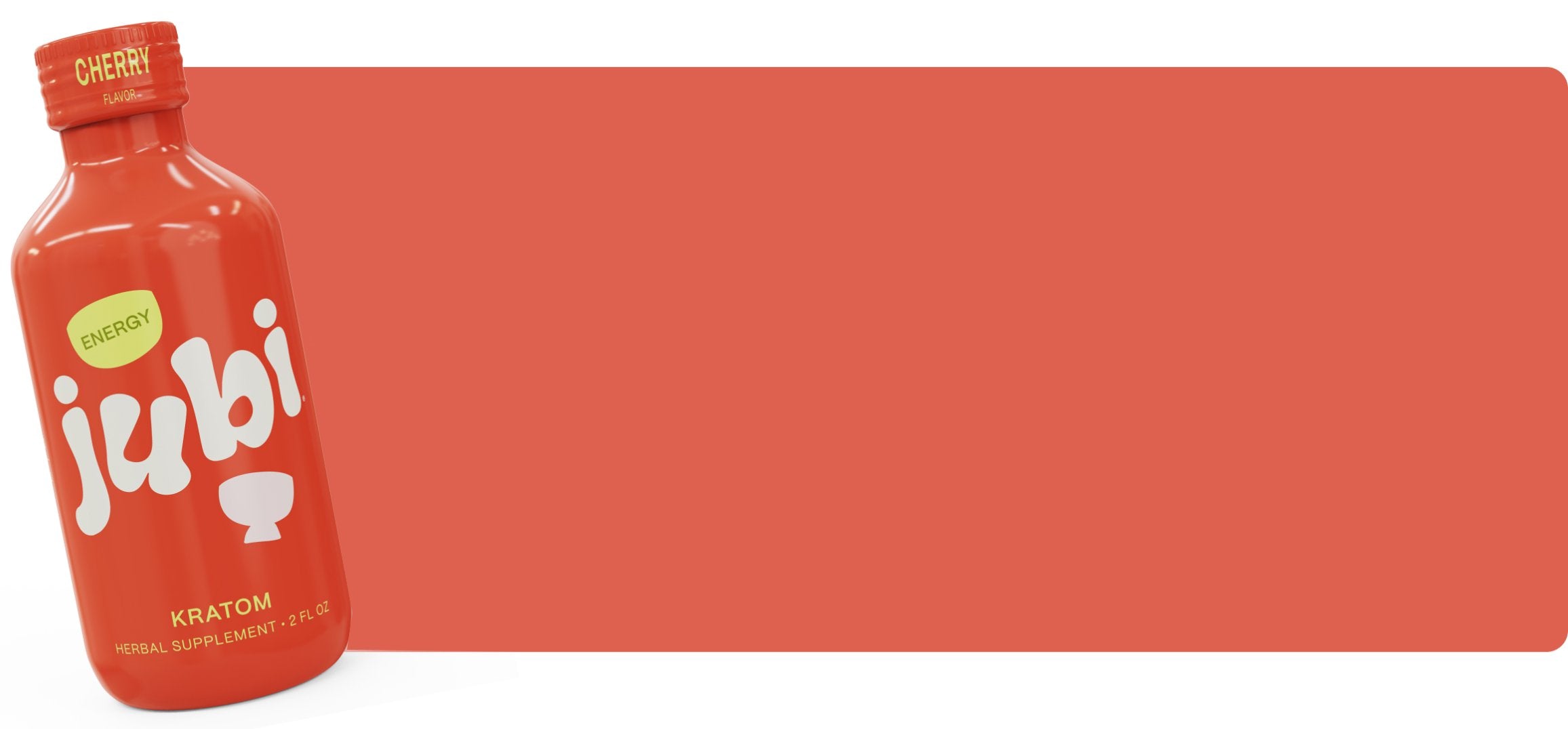
The Jubi Cherry Energy Shot ($9.99) provides 25mg of mitragynine per serving from White Vein Kratom - the energizing and focus-forward vein variety that's most suited to morning performance applications. The energy the mitragynine produces at this dose is distinctively directional: it supports the motivation to engage with demanding work alongside the alertness to do so effectively.*
The Jubi Lime Focus Shot ($14.99) provides 60mg of mitragynine per serving - higher concentration suited for the high performers whose mornings contain their most demanding cognitive work. The mental clarity and sustained engagement that this dose supports are specifically valuable for complex writing, analysis, strategic thinking, or any cognitively demanding work that requires both alertness and motivation simultaneously.*
What high performers who use kratom-based morning shots consistently report: the energy doesn't feel synthetic or forced. It supports genuine engagement with the day's demands rather than merely generating stimulation. And the absence of the anxiety and cardiovascular activation that high-dose caffeine produces for many people makes it a better fit for the cognitive performance demands of sophisticated professional work.*
Green Tea: The Sustained Clarity Option
For high performers whose mornings require sustained, moderate alertness rather than intense cognitive performance - whose best work happens later in the day, or whose mornings are primarily for orientation, planning, and lower-demand activities - high-quality loose-leaf green tea provides the gentlest and most sustained cognitive support available.
Gyokuro - the highest-grade Japanese green tea, shade-grown like matcha to maximize L-Theanine content - produces a morning experience closer to matcha than to conventional green tea: smooth, calm, alertness without edge. The lower caffeine content (30-50mg per cup) allows multiple cups across the morning without the cumulative caffeine load that produces afternoon disruption problems.
For high performers in creative fields who have found that high-caffeine mornings produce the anxious, critical-internal-voice quality that impedes creative thinking, green tea's lower caffeine alongside meaningful L-Theanine often produces the better creative state - open, calm, generative rather than tight, critical, or excessively analytical.
The Breakfast Beverage Strategy: What Goes With What
High performers' morning beverage choices don't happen in isolation - they interact with breakfast composition in ways that either amplify or undermine the beverage's cognitive benefits.
The protein principle:
The most consistent characteristic of high performers' morning nutrition is protein. Not necessarily large amounts, but meaningful protein from quality sources that stabilizes blood sugar across the morning and provides the amino acid precursors for the neurotransmitter synthesis that cognitive performance depends on.
Dopamine and norepinephrine (alertness, motivation) are synthesized from tyrosine. Serotonin (mood, the emotional component of cognitive performance) is synthesized from tryptophan. Acetylcholine (sustained attention, working memory) requires choline. All of these require adequate protein intake as their raw material.
The morning beverage that supports cognitive performance - the Lion's Mane Shot, the matcha, the kratom shot - works best alongside a protein-forward breakfast rather than against the blood sugar volatility that a carbohydrate-only breakfast produces. The botanical energy tools and the nutritional foundation work together; the botanical tools working against metabolic instability work less effectively.
The blood sugar stability connection:
High-sugar morning beverages - sweetened coffee drinks, commercial smoothies with significant fruit sugar, orange juice - produce the insulin spike and blood sugar rebound that impair the very cognitive performance the morning beverage ritual is supposed to support. The mid-morning brain fog that follows a high-sugar breakfast is not a failure of willpower or insufficient caffeine - it's a glycemic response that better breakfast composition prevents.
The morning beverages in this guide - the Lion's Mane Shot (naturally sweetened with stevia, no sugar), matcha (zero sugar), black coffee (zero sugar in black form), kratom shots (no added sugar in Jubi's formulations) - don't produce the glycemic disruption that sweetened beverages do. The blood sugar stability that enables cognitive performance is maintained rather than disrupted by the beverage itself.
Morning Hydration Beverages: The Underrated Category
Beyond the caffeinated and botanical morning beverages, a category of hydration-focused morning beverages deserves specific attention because of how disproportionately undervalued it is relative to its performance impact.
Coconut water:
Naturally rich in potassium (600mg per cup), moderately sodic, and containing natural sugars in quantities that support glycogen replenishment without glycemic disruption, coconut water addresses the morning electrolyte deficit that plain water doesn't. For high performers who exercise in the morning, coconut water before or after training provides the electrolyte restoration that exercise-related sweat loss requires alongside the fluid volume that hydration demands.
High performers who train in the morning - which research suggests is a significant proportion of consistently high-performing executives and athletes - often incorporate coconut water into their morning sequence specifically for this purpose: water for initial rehydration, then post-training coconut water for electrolyte restoration before the primary morning cognitive work begins.
Bone broth:
Bone broth as a morning beverage is uncommon enough in Western culture to seem unusual but is consistent enough with the nutritional logic of high-performance morning routines to mention specifically. The collagen, glycine, and minerals in quality bone broth support gut lining integrity, provide amino acid building blocks, and deliver a savory, warming morning beverage that some high performers specifically prefer as an alternative to sweet morning drinks.
The glycine in bone broth has been found in research to support sleep quality when consumed before bed and to have mild cognitive-clarifying effects in the morning. For high performers who find all coffee-adjacent options too stimulating or who have transitioned away from caffeine entirely, bone broth as a morning beverage is a genuinely nourishing alternative worth knowing about.
The Morning Routines of Different High Performer Archetypes
The most useful insight from examining morning beverage choices across different types of high performers is not a single optimal choice but a pattern: the choice is always deliberate, always physiologically reasoned, and always matched to the specific cognitive demands of that person's morning.
The executive or entrepreneur:
Typically faces the highest morning cognitive demand - strategic decisions, high-stakes communication, team leadership - and needs maximum clarity alongside the emotional regulation that stress-heavy roles require. Morning beverage: often the comprehensive nootropic shot (Lion's Mane Shot) for the cognitive breadth it covers, or matcha for the calm clarity that high-stakes decision-making requires. Rarely high-dose black coffee, which can amplify the anxiety that executive-level stress already creates.
The knowledge worker or analyst:
Faces sustained, precise cognitive demands - research, analysis, complex writing - that require sustained attention rather than broad executive function. Morning beverage: often matcha or green tea for the calm sustained alertness, or the Lime Focus Shot for the pronounced cognitive focus that deep analytical work requires. The emphasis is on depth of concentration rather than breadth of cognitive function.
The creative professional:
Faces the specific challenge of open, generative thinking that high-stimulant caffeine tends to impair - creative work requires a certain looseness and associativity that anxiety closes down. Morning beverage: often lower-caffeine options - green tea, the Lion's Mane Shot's modest 80mg caffeine, or occasionally no caffeine and instead herbal support (ashwagandha for cortisol management, Lion's Mane for cognitive support) that doesn't produce the critical-internal-voice quality that high caffeine creates.
The athlete:
Faces physical performance demands alongside cognitive demands for their sport-specific skills and strategy. Morning beverage: often the Cherry Energy Shot for pre-training energy, or black coffee with an L-Theanine supplement for the well-documented physical performance benefits of caffeine in athletic contexts alongside the anxiety reduction that L-Theanine provides.
The student:
Faces learning-heavy cognitive demands - information acquisition, memory formation, retrieval under pressure - that place specific demands on hippocampal function. Morning beverage: the Lion's Mane Shot's Bacopa and Cognizin components are specifically relevant to the hippocampal optimization that learning efficiency depends on. Consistent daily use builds the neuroplasticity that makes the next study session more effective than the last.
What High Performers Don't Drink in the Morning
The pattern of what high performers avoid in the morning is as instructive as what they choose.
High-sugar coffee drinks:
The caramel macchiato, the flavored latte with sixteen grams of added sugar, the bottled "coffee drink" from the convenience store - these are the most commonly available caffeinated morning beverages and the ones that genuinely high performers most consistently avoid. The blood sugar spike from the sugar load undermines the cognitive performance the caffeine component is supposed to support, and the quality of sustained morning attention suffers accordingly.
Conventional energy drinks:
Most conventional energy drinks deliver 150-300mg of synthetic caffeine alongside significant sugar loads and long lists of unpronounceable synthetic additives. The immediate intensity of the alertness they produce is matched by the intensity of the subsequent anxiety, cardiovascular activation, and eventual crash. High performers who have tried conventional energy drinks and found them effective tend to have eventually noticed the anxiety amplification and performance degradation that the extreme doses and synthetic stimulant profiles produce.
Alcohol (obviously, but worth saying):
Morning alcohol - the Bloody Mary, the "hair of the dog" - appears in the morning routines of exactly zero consistently high-performing individuals because alcohol is a depressant whose cognitive performance costs begin with the first drink. Even a single morning drink impairs executive function, working memory, and the emotional regulation that all demanding morning cognitive work requires.
Nothing (the oversight):
The most common mistake in high performers' morning beverage routines is not a wrong choice but an absence - the person who starts work immediately without drinking anything and then attributes mid-morning cognitive decline to stress, difficulty of the work, or insufficient sleep. The cause is usually dehydration. The fix is the 20oz of water that should precede everything else.
Building Your Own High-Performance Morning Beverage Ritual
The goal is not to replicate someone else's morning routine. It's to build a morning beverage practice that's specifically aligned with your physiology, your cognitive demands, and your practical constraints.
Step 1 - Address dehydration first: Water with electrolytes, 16-24oz, before anything else. This is the universal foundation regardless of everything else in the morning routine.
Step 2 - Allow the Cortisol Awakening Response to complete: Ninety minutes of morning activity - sunlight, movement, breakfast, planning - before introducing caffeine or significant botanical stimulation. This is the most counterintuitive but physiologically justified element of the high-performance morning beverage protocol.
Step 3 - Choose your primary morning cognitive beverage: Based on your specific cognitive demands, caffeine sensitivity, and performance priorities - the Lion's Mane Shot for comprehensive nootropic support, matcha for calm sustained alertness, kratom shots for directional energy and focus, or quality coffee for simple effective caffeine delivery.
Step 4 - Pair with protein-forward breakfast: The morning beverage supports cognitive performance; the breakfast sustains it. Protein-forward breakfast stabilizes blood glucose and provides neurotransmitter precursors that allow the morning beverage's effects to translate into sustained cognitive performance rather than a brief peak.
Step 5 - Maintain hydration through the morning: Botanical and caffeine beverages do not replace water - they supplement it. Consistent hydration throughout the morning maintains the cognitive performance baseline on which all other morning beverage choices build.
Frequently Asked Questions
Why do so many high performers specifically delay caffeine? The Cortisol Awakening Response provides natural morning alertness for the first sixty to ninety minutes after waking. Caffeine during this window competes with rather than complements this natural alertness, produces a rebound trough earlier in the day, and requires caffeine earlier in the afternoon to compensate. Delaying caffeine until the CAR completes produces better sustained alertness across the entire day.
Is the Lion's Mane Shot appropriate as a coffee replacement? Yes - for many people it functions as a complete coffee replacement, providing the natural caffeine for immediate alertness alongside cognitive ingredients that coffee doesn't contain. The 80mg caffeine is lower than most coffee preparations, which benefits people who find standard coffee doses anxiety-producing.
How long before morning cognitive performance improves from changing beverage habits? Hydration improvement: immediate. Caffeine timing optimization: three to five days. Lion's Mane and Bacopa progressive enhancement: two to four weeks. Full compound effect of all morning beverage improvements: four to eight weeks of consistent implementation.
What if my morning genuinely doesn't allow for any preparation? The most preparation-free morning beverage ritual: water bottle already filled and on the nightstand (no preparation), Lion's Mane Shot already in the refrigerator (five seconds to open and drink). Total morning preparation time: sixty seconds. Physiological impact: meaningful.
Do kratom-based morning shots affect the ability to drive or operate machinery? At the doses in Jubi's energy and focus shots (25-60mg mitragynine), most users report feeling alert and cognitively sharp rather than impaired. However, individual responses vary and Jubi advises caution regarding operating machinery. Assess your individual response before driving after consuming any kratom product.
These statements have not been evaluated by the Food and Drug Administration. These products are not intended to diagnose, treat, cure, or prevent any disease. Not for sale to persons under the age of 18 or the legal age for kratom use in your state. Consult a healthcare provider before use if you are pregnant, nursing, have a serious medical condition, or take prescription medications. Some products may be habit forming or lead to addiction. For the full warning statement, visit DrinkJubi.com.
Jubi does not ship to: Alabama, Arkansas, Indiana, Rhode Island, Vermont, Wisconsin, Sarasota County (FL), Union County (MS), Denver (CO), or San Diego (CA). Please verify local regulations before purchasing.