
The right beverage at the right time can be the difference between a productive twelve-hour day and a wasted afternoon. Here's what actually works - and why.
There's a specific kind of mental fatigue that only people who do demanding cognitive work for extended periods really understand.
It's not sleepiness exactly - though that's part of it. It's the feeling of your thinking becoming progressively less precise. The sentence that you'd normally write in thirty seconds takes three minutes. The decision that should be straightforward starts requiring more effort than it deserves. The emails in your inbox that felt manageable at 9am feel overwhelming at 4pm. The creative work that was flowing at noon has dried up by 3pm.
This is cognitive fatigue - and it's not a character weakness or a sign that you're not working hard enough. It's a physiological event driven by specific biochemical processes in your brain that degrade with sustained use. Understanding what's causing it is the first step to managing it effectively.
The second step is knowing what to drink.
That might sound too simple. But the reality is that what you consume during long work sessions has a measurable, direct effect on cognitive performance - through hydration, blood sugar stability, neurotransmitter support, cerebral circulation, and direct interaction with the alertness and focus systems of the brain. The wrong drinks accelerate cognitive decline through the workday. The right drinks slow it - and the best ones actively support the cognitive performance that demanding work requires.
This guide covers both: the science of why certain drinks support sustained sharpness during long work hours, and the specific beverages - from ancient herbal traditions to modern botanical formulations - that genuinely deliver.
The Physiology of Cognitive Fatigue During Long Work Sessions
Before getting into specific beverages, it helps to understand what's actually happening in your brain during extended cognitive work - because the best drinks for sustained sharpness address specific physiological mechanisms rather than just making you feel vaguely more alert.
Adenosine accumulation:
Adenosine is a neurotransmitter that accumulates in the brain as a byproduct of neural activity. Every hour of cognitive work produces more adenosine. By mid-afternoon of a demanding workday, adenosine levels are high enough to produce significant drowsiness signals - the brain's way of communicating that it's been running hard and needs recovery time.
Most people's response to this is caffeine - which works by blocking adenosine receptors and preventing the tired signal from being received. This works, but creates a downstream problem: the adenosine keeps accumulating behind the blockade, and when caffeine clears, you feel the full accumulated load simultaneously.
Neurotransmitter depletion:
Sustained cognitive work consumes neurotransmitter resources. Acetylcholine - the neurotransmitter most directly associated with focused attention and working memory - gets depleted during extended concentration. Dopamine - which drives motivation and the willingness to engage with demanding tasks - diminishes during long work sessions. As these systems deplete, maintaining the same quality of cognitive output requires progressively more effort.
Cerebral blood flow changes:
Sustained mental work without physical movement progressively reduces cerebral blood flow. The brain requires constant delivery of oxygen and glucose - delivered by blood - to maintain cognitive performance. When blood flow decreases, cognitive performance decreases with it. This is one of the reasons physical movement during long work sessions produces such reliable cognitive improvement.
Blood sugar instability:
The brain is extraordinarily glucose-dependent - it consumes roughly 20% of total body energy despite being only 2% of body weight. Blood sugar fluctuations during long work sessions directly impair cognitive performance in ways that feel like fatigue but are actually metabolic. The mid-afternoon cognitive slump many people experience is partly blood sugar instability amplifying the adenosine and circadian effects.
Dehydration:
Even mild dehydration - 1-2% of body weight - produces measurable impairments in attention, working memory, and cognitive speed. After several hours of sedentary cognitive work in an office environment, mild dehydration is extremely common. The cognitive impairment it produces is often misattributed to tiredness when it's actually a fixable hydration problem.
The beverages that most effectively support sustained cognitive performance during long work sessions address one or more of these specific mechanisms rather than simply adding stimulation on top of a depleted system.
Water: The Most Underrated Cognitive Performance Drink
Start here. Not because water is exciting - it isn't - but because everything else in this guide works better when you're adequately hydrated, and most people doing extended cognitive work are not.
The research on dehydration and cognitive performance is consistent and striking. A 2012 study published in the Journal of Nutrition found that even mild dehydration - a 1.36% reduction in body weight from fluid loss - impaired working memory and increased reports of fatigue and anxiety in young women. Similar findings have been replicated across age groups and cognitive task types.
For context: 1.36% dehydration for a 150-pound person is roughly two pounds of water loss - easily achievable during a sedentary workday in a climate-controlled office where you're not sweating and may not notice thirst signals until dehydration is already affecting performance.
Practical hydration protocol for long work sessions:
The standard advice to "drink eight glasses of water per day" is not targeted enough for cognitive performance purposes. A more useful approach: drink 16oz of water at the start of your workday. Keep a large water bottle (32-40oz) visible on your desk. Every time you complete a task or shift to a new activity, take several sips. This behavioral link - completing tasks triggers hydration - is more reliable than trying to remember to drink on a schedule.
Electrolyte enhancement:
Plain water provides hydration but doesn't restore the electrolytes - potassium, magnesium, sodium - that are involved in neural function. For extended work sessions particularly, adding electrolytes to water meaningfully supports cognitive performance beyond plain hydration. Coconut water, electrolyte tablets, or a small amount of sea salt dissolved in water are all effective approaches.
The Jubi Lion's Mane Clarity + Energy Shot: The Complete Cognitive Stack
For people who want one daily beverage that addresses as many of the cognitive performance levers as possible simultaneously, the Jubi Lion's Mane Clarity + Energy Shot is the most comprehensively formulated product available in this space.
It's not a single-ingredient product. It's a carefully assembled stack of six research-backed cognitive ingredients - formulated specifically for the sustained mental performance that long work sessions require.
What's in it:
Lion's Mane Mushroom - 500mg per serving (dual-extracted):
Lion's Mane (Hericium erinaceus) stimulates NGF (Nerve Growth Factor) production - the protein essential for neuron growth, maintenance, and survival. The specific compounds responsible - hericenones from the fruiting body and erinacines from the mycelium - cross the blood-brain barrier and upregulate NGF synthesis in ways that no other food or supplement achieves through the same pathway.
For long work sessions specifically, Lion's Mane's progressive effects on cognitive baseline are the most relevant: over two to four weeks of daily use, the brain becomes more neurologically resilient - meaning the cognitive fatigue effects of extended work sessions produce less quality degradation. You don't just feel more alert; you genuinely think better for longer.*
Natural Caffeine - 80mg per serving (from green coffee beans):
Immediate alertness and attention enhancement. At 80mg - roughly equivalent to a moderate cup of coffee - the dose provides meaningful cognitive activation without the anxiety-producing effects of higher caffeine doses. Green coffee bean sourcing means natural co-factors slow absorption slightly, producing a more gradual onset and gentler energy curve than synthetic caffeine anhydrous.*
L-Theanine - 200mg per serving:
At the research-supported 2:1 ratio to caffeine, L-Theanine promotes alpha brain wave activity - the frequency associated with calm, focused alertness. It eliminates the jitteriness and cardiovascular elevation that caffeine alone produces while preserving and enhancing the focus-promoting effects. The caffeine-L-Theanine combination is the most consistently replicated cognitive enhancement pairing in the natural supplement literature.*
Cognizin Citicoline - 250mg per serving:
A patented, clinically studied form of citicoline that provides the substrate for acetylcholine synthesis - directly supporting the primary neurotransmitter of focused attention. Citicoline also supports neuronal membrane integrity and brain energy metabolism. Multiple clinical trials in healthy adults have found improvements in attention accuracy and memory with Cognizin supplementation.*
Ginkgo Biloba - 120mg per serving (standardized to 24% flavone glycosides):
Supports healthy cerebral blood flow - addressing one of the specific mechanisms through which cognitive performance degrades during extended sedentary work. Better cerebral circulation means more oxygen and glucose reaching the neurons doing the work, making all the other cognitive ingredients more effective.*
Bacopa Monnieri - 150mg per serving:
An Ayurvedic herb with over three thousand years of documented use for learning and memory support. Bacopa's active compounds (bacosides) support hippocampal signaling efficiency and information processing speed. Effects build over four to six weeks of daily use alongside the progressive benefits of Lion's Mane.*
B-Vitamin Complex:
The metabolic foundation for everything else. B-vitamins are coenzymes in the pathways that convert food into ATP - cellular energy currency. Without adequate B-vitamins, all the botanical cognitive enhancers are working against a compromised energy metabolism baseline.*
The overall experience:
Within thirty to sixty minutes of taking the Lion's Mane Shot, most users notice calm, clear alertness - the L-Theanine and caffeine producing their characteristic focused-without-jittery effect. Over the following weeks of daily use, the cognitive baseline progressively improves - thinking feels less effortful, focus sustains longer, mental fatigue arrives later in extended work sessions.*
At $5.99 per shot with a 12-pack available, this is one of the most cost-effective comprehensive cognitive performance beverages in any format.
Kratom Focus Shots: The Performance Tool for Demanding Cognitive Work
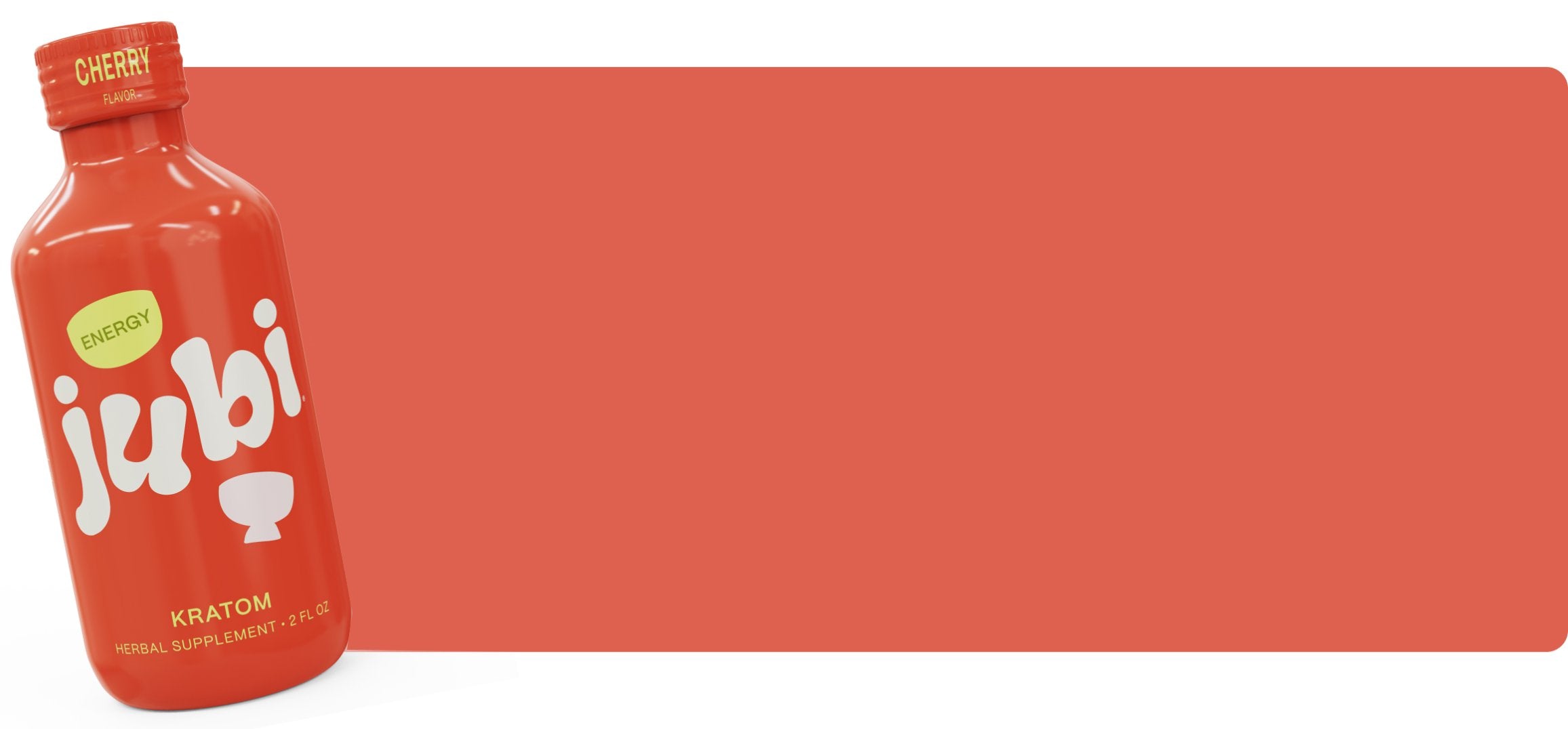
When the Lion's Mane Shot covers the foundational daily cognitive enhancement, Jubi's Lime Focus Shot fills a different role: the targeted performance tool for specific, particularly demanding cognitive work sessions where you need your sharpest thinking available.
The Lime Focus Shot contains 120mg of mitragynine per 2oz bottle - two 60mg servings - from White Vein Kratom sourced and processed specifically for cognitive performance applications.
What makes it effective for long work sessions:
Mitragynine at 60mg per serving interacts with adrenergic receptors (producing alertness and energy) and serotonin pathways (producing mood elevation and motivation). The motivational component is particularly valuable during long work sessions - the willingness to engage with difficult problems, the drive to maintain quality rather than defaulting to easier approaches, the patience to work through complexity rather than cutting corners.*
The cold-water extraction preserves the full alkaloid profile while eliminating the bitterness that makes raw kratom challenging. The lime flavor is functionally appropriate - the citrus tartness actively engages alertness in a way that neutral or sweet flavors don't.
The timing advantage:
The Lime Focus Shot's effects typically develop within twenty to thirty minutes and sustain for three to five hours - which maps well onto the extended focus sessions that demanding cognitive work requires. A 60mg serving before a three to four hour deep work block provides cognitive support that covers the entire session without re-dosing.
What distinguishes it from caffeine for long work:
Coffee's alertness is broad-spectrum - it makes you alert to everything, including distractions, anxieties, and the background noise of the working environment. The focused quality of kratom's cognitive enhancement is more specific - users consistently describe it as supporting the engagement with the task in front of them rather than general mental activation. For the specific challenge of maintaining deep focus on demanding work for extended periods, this specificity is meaningfully more useful.*
Matcha: The Traditional Focus Beverage for Extended Sessions
Matcha has been the beverage of choice for Zen monks during extended meditation practice, Japanese scholars during intensive study periods, and tea ceremony practitioners for the same reason it's increasingly popular among knowledge workers today: it produces sustained, calm, focused alertness that is genuinely well-suited to extended periods of demanding cognitive activity.
The mechanism - the natural pairing of L-Theanine and caffeine in the tea plant, amplified by shade-growing - has been discussed earlier in this guide series. For long work sessions specifically, matcha's advantage over coffee is the quality of the alertness rather than its presence or absence.
The extended session advantage of matcha:
Coffee's alertness is relatively sharp in onset and relatively abrupt in decline. Matcha's lower caffeine dose combined with higher L-Theanine content produces a more gradual onset and - critically for long work sessions - a more gradual decline. The transition out of the matcha energy window is a gentle reduction rather than a cliff edge, which means the quality of work in the later hours of the session is better maintained.*
Practical matcha protocol for long work sessions:
Morning preparation: Ceremonial-grade matcha whisked in 175°F water, then mixed with steamed plant-based milk if desired. Drink thirty minutes before the work session begins.
Mid-session: If the session extends beyond four hours, a second smaller matcha preparation (half the matcha powder, same preparation method) provides a gentle support extension without the sleep-disrupting implications of afternoon coffee.
Quality matters more than most people realize. Ceremonial-grade matcha from reputable Japanese suppliers produces a genuinely different cognitive experience from supermarket culinary matcha - both in flavor and in L-Theanine content.
Green Tea Throughout the Day: The Gentle Cognitive Maintenance Drink
Where matcha provides targeted cognitive support in specific sessions, high-quality green tea works well as a throughout-the-day cognitive maintenance beverage for people doing sustained long-hours work.
The lower caffeine content of green tea (20-50mg per cup) combined with its L-Theanine makes it more suitable for continuous consumption across a long workday than coffee or even matcha - you can have three or four cups across a ten-hour workday without accumulating a caffeine load that would impair sleep.
The throughout-the-day green tea protocol:
A cup of quality green tea - loose-leaf Gyokuro or Sencha rather than bags - at the start of each work block provides mild but real cognitive support. The key to maintaining cognitive benefits across multiple cups throughout the day is allowing appropriate time between preparations rather than drinking continuously, and stopping green tea consumption by mid-afternoon to protect sleep.
The cerebral blood flow benefit:
Green tea's EGCG (epigallocatechin gallate) content provides antioxidant protection to brain cells and supports cerebrovascular health over time - a less dramatic benefit than acute alertness but genuinely valuable for people doing extended cognitive work regularly as a career rather than an occasional requirement.*
Kava and Kratom Combination: The Mid-Session Reset
For professionals doing extremely long work sessions - twelve hours or more - the Jubi Piña Colada Relax Shot occupies an interesting strategic position as a mid-session reset tool.
This sounds counterintuitive: a relaxation shot during a long work session. But the logic is sound.
By hour seven or eight of a demanding cognitive work session, what most people are experiencing is not a deficiency of stimulation - they've often had multiple coffees or energy drinks. What they're experiencing is accumulated cognitive stress: the tension, mental noise, and psychological load that degrades thinking quality more than the raw tiredness does.
The Piña Colada Relax Shot - containing kava kavalactones for genuine stress relief and kratom mitragynine for mood support - produces a reset of this accumulated cognitive stress without sedation. The mental noise quiets. The tension releases. And because the kratom component maintains the mood and motivational dimension, the reset doesn't produce the foggy disengagement that a glass of wine or a pharmaceutical anxiolytic would cause.*
The mid-session reset protocol:
Around hour six or seven of an extended work session, before the cognitive stress has become severe enough to significantly impair quality: take half a serving of the Piña Colada Relax Shot. Allow fifteen to twenty minutes for the kava to produce its calming effect. Return to work.
Users who've incorporated this into extended work sessions consistently describe a quality improvement in the work that follows the reset - thinking feels clearer, problems feel more tractable, and the motivation to maintain effort through the final hours of the session is better preserved.*
Peppermint Tea: The Caffeine-Free Alertness Booster
For people who have reached their daily caffeine limit but need alertness support to continue through a long work session, peppermint tea offers something genuinely useful through a completely different mechanism.
Peppermint's primary bioactive compound, menthol, activates TRPM8 receptors - cold-sensitive receptors in the mouth, throat, and nasal passages. This activation produces a mild sympathetic nervous system response that increases alertness without cardiovascular stimulation or any interaction with the adenosine or caffeine systems.
Research has found that peppermint aroma alone improves performance on tasks requiring sustained attention, and that peppermint consumption specifically enhances working memory and processing speed in controlled conditions.*
When to deploy peppermint tea:
Most effectively used as a mid-to-late-afternoon alertness support when additional caffeine is inadvisable due to sleep timing concerns. The alertness effect from peppermint is real but modest - appropriate for sustaining acceptable performance through the final two to three hours of a long work session, not for recovering severely depleted cognitive function.*
Practical preparation:
A strongly steeped peppermint tea - two tea bags or a generous amount of fresh peppermint leaves in hot water for five to seven minutes - provides more menthol than a weak preparation. Drink it hot rather than iced for additional warming sensory input. The aroma alone provides some benefit, so inhaling the steam while the tea steeps is a legitimate micro-intervention even before drinking.
Rosemary Tea: The Memory Herb That Actually Works
Rosemary (Rosmarinus officinalis) has been associated with memory since antiquity - Shakespeare's Ophelia notably mentions it for remembrance - and modern research has vindicated this traditional association in ways that are directly relevant to long work sessions.
The primary cognitive compound in rosemary, 1,8-cineole, has been found in research to inhibit acetylcholinesterase - the enzyme that breaks down acetylcholine. By slowing acetylcholine degradation, rosemary effectively extends the availability of the attention and memory neurotransmitter that long work sessions deplete.*
A study published in Therapeutic Advances in Psychopharmacology found that higher blood levels of 1,8-cineole (produced by exposure to rosemary aroma) correlated with significantly better performance on speed and accuracy tests. Additional research has found rosemary supplementation associated with improved memory in older adults.*
Preparing rosemary tea for cognitive benefit:
Steep a large sprig of fresh rosemary or two teaspoons of dried rosemary in 8oz of boiling water for seven to ten minutes - longer than most tea preparations to maximize 1,8-cineole extraction. The resulting tea is pleasantly herbal and slightly piney. Add lemon and honey to improve palatability.
For the most concentrated cognitive benefit, inhale the steam during steeping and drink the tea slowly while continuing to smell the aroma. The compound is bioactive through both inhalation and consumption.
Ginger Tea: The Circulation and Anti-Fatigue Support Drink
Ginger (Zingiber officinale) is most commonly associated with digestive support and anti-nausea effects, but its relevance to sustained cognitive performance during long work sessions comes from a different mechanism: its effects on circulation and inflammation.
Gingerols and shogaols - the primary bioactive compounds in ginger - produce mild vasodilation and anti-inflammatory effects that support cerebral blood flow and reduce the neuroinflammatory processes that accumulate during sustained cognitive stress. The warmth and circulatory stimulation of ginger tea also address the physical stagnation that long periods of sedentary work produce.*
The combination advantage:
Ginger tea pairs particularly well with green tea or matcha - the ginger's circulation support amplifying the cognitive benefits of the tea's L-Theanine and caffeine. Ginger-green tea combinations are traditional in several East Asian wellness contexts precisely because this synergy was recognized empirically long before the biochemistry was understood.
Preparation:
Fresh ginger root (a thumb-sized piece, sliced thin) simmered in two cups of water for fifteen minutes produces a potent ginger tea. Strain, add honey and lemon to taste. The resulting beverage is warming, invigorating, and genuinely supportive of the circulation that sustained cognitive work requires.*
Turmeric Golden Milk: The Anti-Inflammatory Cognitive Support Drink
For very long work sessions - the kind that extend into twelve or fourteen hours - the cumulative neuroinflammatory effects of sustained cognitive stress become a meaningful contributor to the quality degradation that late-session work suffers.
Curcumin - the primary active compound in turmeric - is one of the most extensively researched natural anti-inflammatory compounds available. Its relevance to cognitive performance during long work sessions comes from its effects on the neuroinflammatory processes that sustained cognitive stress promotes, and from its support of BDNF (Brain-Derived Neurotrophic Factor) - a protein related to NGF that supports neuron survival and cognitive adaptability.*
Golden milk as a late-session support drink:
Golden milk - warm plant-based milk blended with turmeric, black pepper (piperine dramatically increases curcumin absorption), ginger, and warming spices - is most effective as a mid-to-late-session beverage during extremely long work days. The warmth and richness provide sensory comfort alongside the anti-inflammatory cognitive support, making it one of the more genuinely pleasant options for the deep-into-the-long-day window.*
Preparation:
Heat 8oz of oat milk or almond milk until warm but not boiling. Whisk in ½ teaspoon turmeric, ¼ teaspoon ginger, a small pinch of black pepper, and honey to taste. The black pepper is not optional from an efficacy standpoint - without piperine, curcumin's bioavailability is extremely poor.
What to Avoid During Long Work Sessions
The beverages that undermine cognitive performance during extended work are as important to know as the ones that support it.
High-sugar drinks of any kind:
Energy drinks, sweetened coffee beverages, sodas, fruit juices - any drink with significant sugar content produces an insulin response that, when it overshoots, drops blood sugar below baseline and impairs cognitive function. During long work sessions, blood sugar stability is a cognitive performance variable. Anything that destabilizes it works against you.
Alcohol:
Even small amounts of alcohol - a glass of wine, a beer - produce measurable impairments in the cognitive functions most relevant to demanding work: executive function, working memory, processing speed, and decision quality. The relaxation benefit is real but comes at the direct cost of the cognitive performance the long work session requires. Reserve alcohol for after the session, not during it.
High-dose caffeine in the afternoon:
The sleep disruption from afternoon caffeine degrades next-session performance more than the afternoon alertness it provides helps current-session performance. For long work sessions that extend into the evening, the caffeine timing problem becomes acute - the choice between alertness now and sleep quality tonight is a real trade-off that afternoon caffeine forces.
Nothing at all:
Dehydration during extended sedentary work is extremely common and consistently underestimated as a cognitive performance impairment. Simply drinking nothing during a long work session - because you're focused and forget - is one of the most reliably performance-degrading choices available. Keep a large water vessel visible on your desk. The visibility itself is a behavioral reminder.
Building Your Long Work Session Drink Protocol
A practical protocol for a ten to twelve hour demanding work session:
Session start (hour 0): Large glass of water with electrolytes. Jubi Lion's Mane Clarity + Energy Shot (or quality matcha). This combination covers immediate alertness, calm focused energy, and progressive cognitive enhancement simultaneously.
Hour 2: Quality green tea or another large glass of water. Rhodiola supplement if using adaptogens. Movement break - five minutes minimum.
Hour 4: Jubi Lime Focus Shot if entering the most demanding cognitive work of the session. Or a second matcha preparation if avoiding kratom products. Peppermint tea as an alternative if additional caffeine is a concern.
Hour 5-6: Large water with electrolytes. Ginger tea for circulation support. Movement break - ten minutes minimum. Light protein-forward snack if blood sugar is low.
Hour 7-8 (if session continues): Jubi Piña Colada Relax Shot half-serving for a cognitive stress reset - quiet the accumulated tension, return to the work with cleaner thinking. Or peppermint tea for caffeine-free alertness support.
Hour 9-10 (final stretch): Rosemary tea for the memory and attention support that depleted acetylcholine needs. Water. Another movement break.
Post-session: Jubi Strawberry Chill Kava Shot or Kava Stick Pack for genuine recovery and sleep quality support - the investment in tomorrow's cognitive performance starting tonight.
Frequently Asked Questions
Can I combine the Lion's Mane Shot with kratom products on the same day? Yes - many Jubi users incorporate both. The Lion's Mane Shot in the morning covers daily cognitive maintenance and the progressive benefits of the nootropic stack. The Lime Focus Shot before a specific demanding session provides more targeted performance support. Be mindful of total daily caffeine intake if combining multiple caffeine-containing products.
How much water should I drink during a ten-hour work session? A practical target is approximately 60-80oz of water across a ten-hour workday - roughly 6-8oz per hour. This is higher than many people typically consume during sedentary cognitive work and addresses the mild dehydration that is extremely common in this context.
Is peppermint tea safe to drink throughout a long work session? Yes - peppermint tea has no meaningful caffeine content and is generally very well-tolerated. It can be consumed throughout the day without the sleep-disruption concerns of caffeine-containing beverages.
Does the Lion's Mane Shot work from the first day? The immediate alertness effects from the caffeine-L-Theanine combination are noticeable from the first use. The progressive cognitive enhancement from Lion's Mane and Bacopa builds over two to four weeks of consistent daily use. For long work session performance specifically, both the immediate and progressive effects are relevant.
What's the best single drink for maintaining sharpness during long work? For comprehensive cognitive performance support in a single product, the Jubi Lion's Mane Clarity + Energy Shot is the most complete option available. For acute performance support before specific demanding sessions, the Jubi Lime Focus Shot. Both are more effective when adequate hydration is maintained throughout the session.
These statements have not been evaluated by the Food and Drug Administration. These products are not intended to diagnose, treat, cure, or prevent any disease. Not for sale to persons under the age of 18 or the legal age for kratom use in your state. Consult a healthcare provider before use if you are pregnant, nursing, have a serious medical condition, or take prescription medications. Some products may be habit forming or lead to addiction. For the full warning statement, visit DrinkJubi.com.
Jubi does not ship to: Alabama, Arkansas, Indiana, Rhode Island, Vermont, Wisconsin, Sarasota County (FL), Union County (MS), Denver (CO), or San Diego (CA). Please verify local regulations before purchasing.