
The daily soda habit is costing you more than you realize - and the alternatives have gotten genuinely good enough to make switching not just reasonable but easy.
Most daily habits form the same way. Slowly, then invisibly.
Nobody decides to become a soda drinker. They just reach for one with lunch because it's there. Then it becomes the thing they have with lunch. Then it becomes the thing that punctuates their afternoon. Then it's the thing they think about before they even think about being thirsty. Then one day they do the math and realize they've been drinking three sodas a day for eleven years and the habit is so deeply wired that the idea of changing it feels genuinely difficult.
The soda industry is not unaware of how this works. Billions of dollars have been spent specifically engineering the combination of sugar, caffeine, carbonation, and flavor that makes the daily soda habit as automatic and as sticky as possible. The formulations are designed to create the craving they satisfy. The habit is the product.
What's changed - and what makes this conversation worth having in 2025 in a way it wasn't in 2015 - is the quality of what's available on the other side of that habit. Functional beverages have crossed a threshold. They're not just "healthier" in the way that all health products claim to be healthier. Many of them are genuinely better - better tasting, better for your body, better for your energy and mood and cognitive performance - in ways that make the trade feel like an upgrade rather than a sacrifice.
This guide makes the case for functional drinks as a daily habit replacement for soda - honestly, with the actual evidence, covering both the real costs of the soda habit and the real benefits of the alternatives.
What the Daily Soda Habit Is Actually Costing You
Before talking about alternatives, it's worth being clear about what the daily soda habit is doing - because most people significantly underestimate its cumulative impact by only thinking about individual servings.
The Sugar Load
A standard 12oz can of cola contains approximately 39 grams of sugar - almost entirely as high-fructose corn syrup or sucrose. The American Heart Association recommends no more than 25 grams of added sugar per day for women and 36 grams for men. One can of soda exceeds the daily recommendation for women and meets it almost exactly for men.
For the three-sodas-per-day person, the daily sugar intake from soda alone is 117 grams - more than four times the recommended maximum. Over a year, that's approximately 42,000 grams of added sugar - roughly 93 pounds - consumed exclusively through the beverage habit.
The metabolic consequences of this level of sugar consumption are well-documented and significant: insulin resistance, liver stress through fructose metabolism, elevated triglycerides, chronic inflammation, weight gain, and meaningfully increased risk for type 2 diabetes and cardiovascular disease. These are not speculative long-term risks. They are documented outcomes from multiple large-scale longitudinal studies following soda consumption patterns over years and decades.
The Artificial Sweetener Problem
Diet soda users often feel they've solved the sugar problem. The evidence suggests they've traded one problem for another.
Artificial sweeteners - aspartame, sucralose, saccharin, acesulfame potassium - produce a sweet taste signal without the caloric content. The growing body of research on their effects has complicated the narrative that they're simply neutral. Studies have found that artificial sweeteners may alter gut microbiome composition, potentially affect insulin sensitivity through cephalic phase insulin release, and in some research, paradoxically increase sugar cravings rather than reducing them.
A 2022 randomized controlled trial published in Cell found that common artificial sweeteners produced individual-specific changes in blood glucose response and gut microbiome composition - suggesting effects that were previously assumed not to exist. The research on artificial sweeteners is not settled, but the assumption that diet soda is a neutral substitute for regular soda is no longer well-supported.
The Caffeine Architecture Problem
Most sodas that contain caffeine - cola products primarily - deliver it in a format that creates the worst possible relationship with alertness and energy: low enough caffeine to produce only mild alertness (roughly 34mg per 12oz can of cola, compared to 95-200mg in coffee), delivered alongside high sugar content that spikes and crashes blood glucose simultaneously.
The result is a beverage that delivers insufficient caffeine for genuine cognitive performance while ensuring a blood sugar crash follows the brief energy period. People who reach for soda during afternoon energy dips are applying a solution that extends and amplifies the problem they're trying to solve.
The Bone and Dental Health Impact
Phosphoric acid - a key component in most cola beverages - interferes with calcium absorption and has been associated in multiple studies with reduced bone mineral density with long-term consumption. Separately, the acid content of sodas (typically pH 2.5-3.5, similar to vinegar) is genuinely erosive to dental enamel with regular consumption. These are slow-moving consequences that accumulate invisibly over years.
The Opportunity Cost
Perhaps the most underappreciated cost of the daily soda habit is what it crowds out. The stomach volume and financial budget spent on soda could be spent on beverages that genuinely support the energy, cognitive performance, and physical wellbeing that most soda drinkers are also interested in optimizing. Soda doesn't compete with water for the hydration slot - it actively impairs hydration through diuretic effects and osmotic demands of the sugar load. It doesn't support cognitive performance. It doesn't support physical recovery. It occupies a significant portion of many people's daily beverage intake without contributing anything positive to their health or performance.
What Makes a Drink "Functional"?
The term "functional beverage" gets applied liberally in the wellness industry - sometimes to products that genuinely deliver meaningful physiological benefits and sometimes to products with a marketing story but minimal actual effect.
For the purposes of this guide, a functional drink is one that:
Does something measurable beyond basic hydration. The active compounds in a genuinely functional beverage interact with specific biological systems in ways that produce real, noticeable effects - cognitive performance, mood, relaxation, energy, or physical recovery.
Delivers its function through understood mechanisms. The best functional beverages work through documented biochemical pathways - not just through claims on the label.
Provides those benefits without significant negative trade-offs. Functional value is net value - a drink that provides energy but also produces anxiety and disrupts sleep is not genuinely functional for most people's purposes.
Has a consumption pattern that's sustainable over time. The best functional drinks are appropriate for regular use without tolerance escalation or dependency development at appropriate doses.
By this definition, the functional beverage category includes botanical shots like Jubi's kava and kratom products, lion's mane and nootropic supplements, quality green tea and matcha, kombucha, adaptogen-based drinks, and carefully formulated natural energy beverages. It excludes most conventional energy drinks, soda of all types, and the vast majority of commercial beverages.
The Functional Drink Categories Worth Building a Daily Habit Around
Botanical Energy Shots: The Performance-Oriented Daily Habit
For people replacing the caffeinated soda habit specifically - the cola at lunch, the afternoon pick-me-up - botanical energy shots offer a functional replacement that addresses the actual energy need rather than just the behavior pattern.
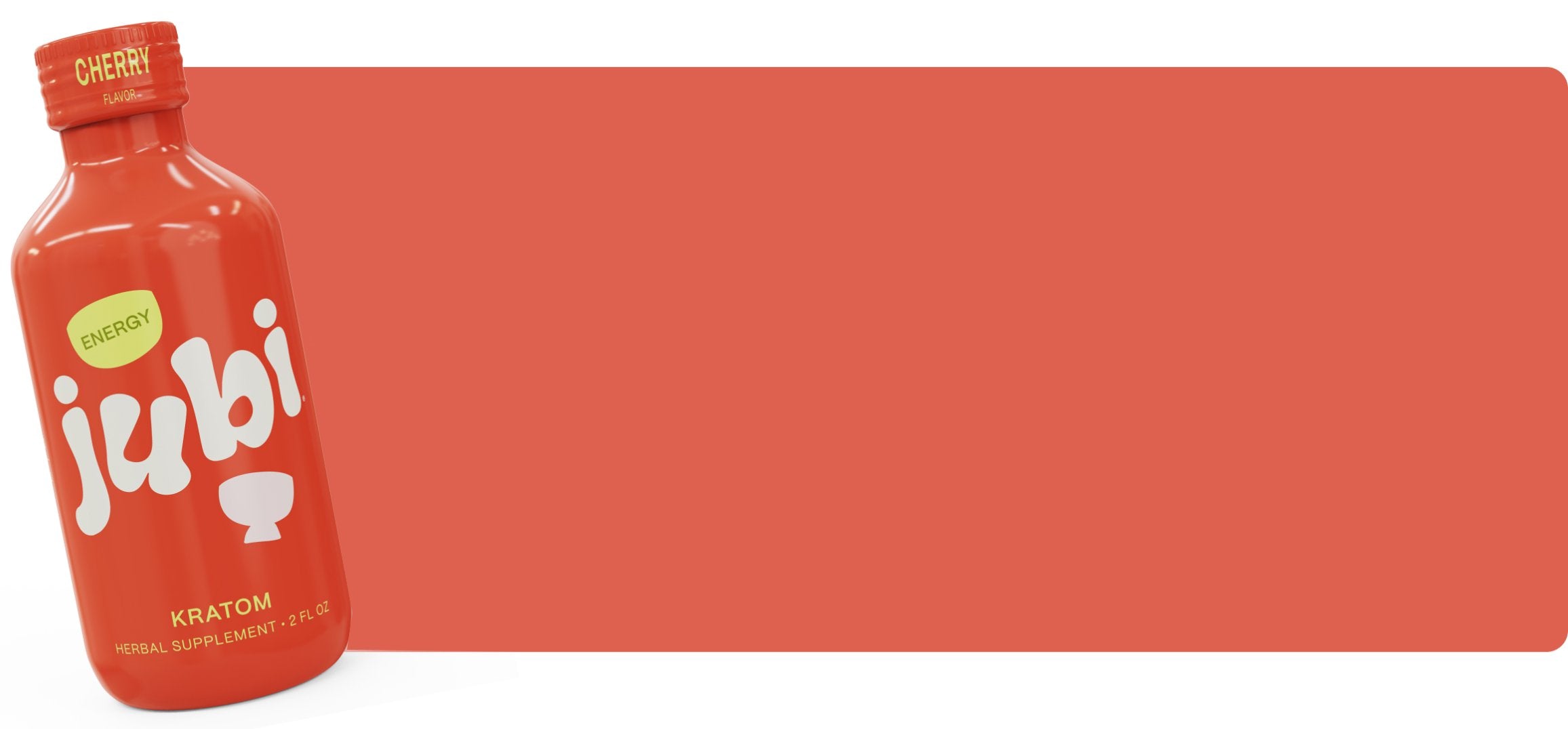
Jubi Cherry Energy Shot ($9.99) contains 50mg of mitragynine from White Vein Kratom in a 2oz bottle with two servings. The energy mechanism - adrenergic and serotonin receptor interaction - produces clean, directional energy without the blood sugar spike and crash that soda's sugar-caffeine combination creates. Users consistently describe it as energy that supports engagement with demanding tasks rather than just generating general stimulation.*
The behavioral substitution works well: the Cherry Energy Shot replaces the afternoon soda as the reached-for pick-me-up, occupies the same ritual slot (something cold and flavorful that signals an energy moment), and produces measurably better cognitive performance outcomes.*
Jubi Lime Focus Shot ($14.99) provides 120mg mitragynine per bottle for more pronounced cognitive focus - better suited for the workday than casual soda replacement but excellent as the lunch beverage for people with cognitively demanding afternoons.*
The habit math: Two sodas per day at an average of $2 each is $4 daily, $28 weekly, $1,460 annually - consuming 78 grams of sugar, 68mg of caffeine, and zero functional benefit. Replacing one of those with a Jubi Cherry Energy Shot reduces daily sugar intake by approximately 39 grams and adds meaningful cognitive performance support at roughly equivalent cost.
Lion's Mane and Nootropic Shots: The Cognitive Investment Habit
The most sophisticated functional drink replacement for the daily soda habit is a product that not only replaces the soda moment but actively invests in cognitive health that compounds over time.
Jubi Lion's Mane Clarity + Energy Shot ($5.99) is the most cost-effective comprehensive cognitive performance beverage available. Six research-backed ingredients in a single 2oz shot:
500mg dual-extracted Lion's Mane mushroom stimulates NGF production - supporting the neuroplasticity that underlies all cognitive performance and building a progressively higher cognitive baseline over weeks of consistent daily use.*
80mg natural caffeine from green coffee beans provides immediate alertness at a dose high enough to be genuinely useful without the anxiety and cardiovascular effects of higher caffeine products.
200mg L-Theanine pairs with the caffeine at the research-supported 2:1 ratio - producing calm focused alertness instead of jittery stimulation. This combination alone produces better cognitive outcomes than the same caffeine dose without L-Theanine in controlled trials.*
250mg Cognizin Citicoline supports acetylcholine production - the primary attention neurotransmitter. Multiple clinical trials have found improvements in attention and memory with consistent Cognizin use.*
120mg standardized Ginkgo Biloba supports cerebral blood flow - the physical delivery of oxygen and glucose to neurons that cognitive performance depends on.*
150mg Bacopa Monnieri supports hippocampal signaling efficiency and memory formation over weeks of consistent daily use.*
The habit math: Replace one daily soda with a Lion's Mane Shot. After one month, you've consumed zero grams of added sugar in that beverage slot (versus 1,170 grams in the soda), provided your brain with consistent nootropic support, and spent approximately the same daily amount. After four weeks, you're likely noticing cognitive improvements that make the switch feel like an obvious permanent decision.
Kava Products: The Relaxation and Evening Habit Replacement
The evening soda habit - the post-dinner cola or the weekend wind-down soft drink - is one of the most common patterns that functional beverages can replace with something genuinely better.
Kava (Piper methysticum) is the world's most historically validated natural relaxation botanical. Thousands of years of continuous Pacific Island use as a social and ceremonial beverage - specifically consumed in contexts equivalent to modern evening wind-down and social gathering - provide a traditional track record that no commercial soda can match.
Jubi Strawberry Chill Kava Shot ($9.99) delivers 500mg kavalactones in a ready-to-drink strawberry-flavored format. The kavalactone interaction with GABA receptors produces genuine physical and mental relaxation without cognitive impairment, without next-morning hangover effects, and without the blood sugar disruption that evening soda consumption produces.*
Jubi Kava Stick Packs ($8.99) provide the same 500mg kavalactones per stick in five flavors - Blue Raspberry, Cool Sour Breeze, Hawaiian Fruit, Strawberry Lemonade, Watermelon - mixed into 8oz of any cold beverage. The volume of a mixed kava drink (a full glass rather than a 2oz shot) replicates the physical experience of having a beverage to consume over time more closely than a shot format.*
Why kava makes a better evening habit than soda:
Evening soda consumption disrupts sleep through caffeine (in caffeinated varieties) and through blood sugar fluctuation from the sugar load. Kava actively supports sleep quality through its GABA-mediated relaxation effects. The evening kava habit doesn't just avoid the negative consequences of the evening soda habit - it actively produces a positive outcome (better sleep, better recovery, better next-day energy) that compounds over time.*
Kombucha: The Accessible Transition Habit
For people who are ready to reduce soda but find botanical shots too much of a departure from familiar beverages, kombucha occupies a valuable middle position.
Kombucha is fermented tea - slightly sparkling, slightly tart, with trace amounts of alcohol (typically under 0.5%), beneficial probiotics, and organic acids that support gut health. High-quality kombucha brands produce flavors sophisticated enough to genuinely satisfy the desire for something complex and interesting in the soda slot.
Why kombucha works as a soda replacement habit:
The carbonation and flavor complexity satisfy the sensory cues that make soda feel like a drink rather than just hydration. The ritual of opening a bottle and pouring it over ice replicates the soda ritual without the sugar load. The probiotic content provides genuine gut health benefits that compound with consistent daily use.
The transition pattern that works best: replace soda servings one at a time with kombucha over two to three weeks rather than switching entirely at once. The gradual transition allows taste preferences to adjust and removes the psychological feeling of deprivation that cold-turkey switches tend to produce.
Matcha and Green Tea: The Timeless Daily Habit
If the appeal of soda is partly the ritual - the daily repetition of a familiar preparation and taste - matcha offers one of the most deeply established daily beverage rituals in human history with genuine cognitive and health benefits that soda can't approach.
Matcha's natural caffeine-L-Theanine combination produces calm focused alertness - the specific cognitive state that Zen monks identified centuries ago as optimal for sustained, precise practice. For modern knowledge workers, students, and anyone who needs to be cognitively present for extended periods, this is directly applicable.*
The habit switch in practice:
The morning matcha latte - ceremonial-grade matcha whisked in 175°F water, mixed with steamed oat milk - replaces the morning cola or afternoon soda with a beverage that tastes genuinely sophisticated, involves a preparation ritual that can be as meditative as the soda ritual is automatic, and produces a qualitatively better cognitive experience.*
For people who specifically like the carbonation of soda, sparkling matcha - matcha whisked into a small amount of water, then poured over ice and topped with sparkling water - provides the fizz alongside the functional benefits.
Adaptogen Drinks: The Stress-Responsive Daily Habit
For people reaching for soda during stressful periods of the day - using it as a stress coping mechanism alongside its caffeine and sugar - adaptogen-based beverages address the underlying stress dimension more directly than any soda can.
Adaptogens - herbs like ashwagandha, Rhodiola, ginseng, and lion's mane - work by supporting the body's stress response systems, modulating cortisol, and building resilience to the physical and psychological demands of modern life. Commercial adaptogen drinks that incorporate these botanicals into genuinely tasty beverage formats have proliferated over the past several years.
Why adaptogens beat soda for stress:
Soda's caffeine and sugar provide a brief stimulation that can temporarily mask the feeling of stress without addressing its physiological causes. Chronic stress elevates cortisol, depletes energy reserves, and impairs cognitive function. Adaptogens taken consistently - in the same daily ritual slot that soda currently occupies - address these mechanisms directly rather than papering over them.*
The Habit Switch: How to Actually Make It Stick
Understanding the case for functional drinks is one thing. Actually replacing the soda habit with something better requires understanding how habit formation and change actually work.
Map Your Current Soda Habit
Before switching, spend three days observing the pattern without trying to change it. When exactly do you reach for soda? What's the trigger - a specific time of day, the completion of a task, a stress response, boredom, a meal? What does the soda provide beyond the taste - caffeine, something cold, a ritual break from work?
This mapping exercise is genuinely useful because it reveals whether you need a functional replacement that provides energy, relaxation, cognitive support, social ease, or simply something interesting to drink. Different functional beverages address different needs - and knowing your need helps you choose the right replacement.
Replace the Behavior, Not Just the Beverage
The most common reason functional drink replacements fail is that people swap the drink without replicating the behavioral ritual. If you usually walk to the office kitchen to get a soda at 2pm, the replacement needs to involve the same walk, the same break, the same ritual moment - just with a different beverage at the end.
Keeping Jubi shots in the office refrigerator, having Kava Stick Packs at your desk, or maintaining a kombucha supply where the soda usually lives preserves the behavioral structure of the habit while changing its content. The behavior is the habit. The beverage is replaceable within it.
Start With One Substitution
Don't try to eliminate soda entirely in the first week. Replace one soda per day - specifically the one that's most easily replaced - with a functional alternative. Do this for two weeks before extending the substitution to a second soda. Gradual replacement allows preferences to adjust, reduces the psychological experience of deprivation, and makes the switch permanent rather than a failed attempt.
Use the First Two Weeks to Sample
The variety of functional beverages available means there's almost certainly a combination that works better for you than soda does - but you may need to try several before landing on your daily habit drink. Jubi's trial packs are specifically useful for this purpose - the 4-Pack and 3-Pack allow you to experience multiple formulations before committing to a single product as your daily habit.
Track How You Feel, Not Just What You Drink
The most powerful motivation for switching from soda to functional drinks is the direct experience of feeling better. Keep a simple log for the first month of the switch - energy levels, cognitive sharpness, sleep quality, mood. Most people who do this find that the improvements are significant enough within two to three weeks to make the switch feel genuinely attractive rather than effortful.
The Compound Effect: What Changing the Daily Habit Does Over Time
The daily beverage habit is one of the most powerful levers available for health and performance because it operates at high frequency - every day, multiple times per day - which means improvements compound quickly and costs reduce equally quickly.
30-day projection of switching one daily soda to a Jubi Lion's Mane Shot:
- Sugar eliminated: approximately 1,170 grams of added sugar
- Progressive cognitive enhancement building from daily Lion's Mane use
- Cumulative nootropic support from Bacopa and Cognizin
- Improved sleep quality from eliminated evening caffeine and sugar disruption
- Cost: roughly equivalent
90-day projection:
- Significant reduction in inflammatory load from sugar elimination
- Measurable cognitive baseline improvement from consistent Lion's Mane use
- Sleep architecture improvement from eliminated sugar and caffeine disruption
- Mood stability improvement from reduced blood sugar volatility
One-year projection:
- Approximately 14,000 grams of added sugar eliminated from that one daily soda
- Sustained cognitive enhancement from daily nootropic support
- Meaningful reduction in metabolic risk factors
- Daily ritual that actively invests in your performance and wellbeing rather than depleting it
These projections don't require dramatic lifestyle changes. They require replacing one daily soda with one functional beverage - the same amount of money, the same behavioral ritual, a genuinely different outcome.
Common Objections Answered Honestly
"Functional drinks are expensive."
The comparison that matters is not functional drinks versus free tap water - it's functional drinks versus the soda habit you're actually replacing. Three sodas per day at convenience store or restaurant pricing is $6-12 daily, $180-360 monthly. Most functional beverages are cost-neutral or cheaper when replacing actual soda spend rather than being compared to zero.
"I like the taste of soda and nothing else tastes the same."
This is true. Nothing tastes exactly like soda. But taste preferences are genuinely malleable with consistent exposure - the foods and drinks we find most appealing are largely the ones we've consumed most frequently. Two to three weeks of consistent functional beverage consumption is typically enough to shift preferences meaningfully. Many people who switch from soda to kombucha, for example, find that soda tastes overwhelmingly sweet after two weeks away from it.
"I need the caffeine and nothing else will work."
Green tea, matcha, the Lion's Mane Shot, and kratom-based products all provide caffeine or caffeine-like alertness support. The caffeine in a Lion's Mane Shot (80mg) is roughly equivalent to most colas at a fraction of the sugar cost. Kratom's mitragynine produces alert, focused energy through mechanisms that are in many ways more effective for cognitive work than caffeine alone.
"I've tried kombucha and it tastes weird."
Not all kombucha tastes the same - the range from entry-level grocery store brands to premium craft producers is significant. If one brand didn't work, try others. Similarly, flavored kava stick packs, botanical shots, and well-made mocktails taste nothing like raw kava or plain herbal supplements - the flavor development in Jubi's product line specifically was designed to produce beverages people actively enjoy rather than merely tolerate.
"It's just a drink. It can't matter that much."
At one serving, correct. At daily consumption over years, the cumulative impact of what you drink every day is substantial - demonstrated in population-level health data, in metabolic disease rates that correlate with sugar-sweetened beverage consumption, and in the measurable cognitive and performance improvements that consistent nootropic beverage use produces over weeks and months.
Frequently Asked Questions
What's the single best functional drink to start replacing soda with? The Jubi Lion's Mane Clarity + Energy Shot is the most comprehensive starting point - addressing the energy and alertness dimension of the soda habit while providing progressive cognitive benefits at a cost roughly equivalent to daily soda spend.
Can functional drinks replace soda completely? Yes - many people make this switch permanently and don't miss soda after the adjustment period. The key is finding functional beverages that address the specific functions your soda habit was serving (energy, relaxation, taste, ritual).
Are there sugar-free functional drinks? Yes - the Jubi product lineup, quality kombucha, matcha, and most adaptogen beverages contain little to no added sugar. The Lion's Mane Shot is naturally sweetened with stevia (zero sugar). Kava stick packs contain no added sugar.
How long does the taste adjustment take? Most people find their preferences meaningfully adjust within two to three weeks of consistent exposure to new beverages. The first week often involves some active preference for the familiar soda taste - this fades with consistency.
Is it safe to consume functional botanical drinks every day? Jubi's products are designed for regular use within the recommended serving sizes. Kratom products should be used responsibly with appropriate breaks to manage tolerance. Kava is generally well-tolerated for daily use. Consult a healthcare provider if you have specific health concerns.
These statements have not been evaluated by the Food and Drug Administration. These products are not intended to diagnose, treat, cure, or prevent any disease. Not for sale to persons under the age of 18 or the legal age for kratom use in your state. Consult a healthcare provider before use if you are pregnant, nursing, have a serious medical condition, or take prescription medications. Some products may be habit forming or lead to addiction. For the full warning statement, visit DrinkJubi.com.
Jubi does not ship to: Alabama, Arkansas, Indiana, Rhode Island, Vermont, Wisconsin, Sarasota County (FL), Union County (MS), Denver (CO), or San Diego (CA). Please verify local regulations before purchasing.