
Energy isn't something that happens to you. It's something you build - through the daily decisions that either replenish or drain your reserves. Here's what actually works.
Most conversations about energy start in the wrong place.
They start with the problem - the tiredness, the afternoon slump, the morning fog that won't lift - and immediately jump to the solution: a stronger coffee, a better supplement, a new pre-workout. The assumption built into that response is that energy is a tap you turn on, and if you're not getting enough, you need a stronger tap.
But energy doesn't work like that. It's not a resource you access through the right stimulant at the right moment. It's the output of a system - a biological system that produces, stores, and deploys energy continuously based on the inputs it receives from the decisions you make across your entire day.
The people who consistently have good energy - who move through demanding days without the crashes, the brain fog, and the mid-afternoon despair that most people accept as normal - are not people with access to better stimulants. They're people who have built better systems. Not through dramatic lifestyle overhauls or unsustainable discipline, but through a collection of specific, evidence-based daily habits that keep the underlying biological machinery running the way it was designed to run.
This guide covers those habits - what they are, why they work at the physiological level, and how to actually incorporate them into a life that is already full and doesn't have room for complicated new protocols.
Understanding Energy at the Biological Level
Before building better habits, understanding what "energy" actually means physiologically helps you make better decisions about which habits to prioritize.
ATP: The actual currency of energy
The energy your cells use for every biological function - muscle contraction, neural transmission, cellular maintenance, organ function - is adenosine triphosphate (ATP). Everything you eat, drink, and do either supports or impairs your body's ability to produce ATP efficiently.
Your mitochondria are the primary ATP factories - organelles in every cell that convert the calories you eat (from carbohydrates, fats, and proteins) into the ATP that powers biological function. The health and efficiency of your mitochondria is one of the most fundamental determinants of your energy levels - more so than any supplement, and more so than any single meal or sleep session.
The stress-energy connection
Chronic psychological stress consumes enormous amounts of ATP. The hypothalamic-pituitary-adrenal axis activation that stress triggers maintains the body in a state of physiological preparation for threat - which is metabolically expensive and produces energy depletion without any useful output. People under chronic stress often feel exhausted despite adequate sleep and nutrition because their body's energy production is being consumed by the stress response rather than available for the activities of daily life.
The sleep-energy relationship
Sleep is when your body performs the majority of its cellular repair, glycogen replenishment, and mitochondrial maintenance. Inadequate sleep doesn't just make you feel tired - it genuinely impairs the biological infrastructure that produces energy the next day. This is why chronic sleep deprivation produces a cumulative energy deficit that no amount of caffeine fully compensates.
The hydration-energy mechanism
Even mild dehydration impairs mitochondrial function - the cellular machinery that produces ATP requires adequate fluid volume for the chemical reactions involved in energy production. Dehydration at 1-2% of body weight measurably reduces both physical and cognitive energy output in controlled research conditions.
With this understanding of what energy actually is and how it's produced, the habits that most reliably improve daily energy become much easier to understand and prioritize.
Habit One: Morning Hydration Before Anything Else
The single highest-leverage, lowest-effort energy habit available to most people is something so simple that the temptation is to dismiss it as too basic to matter: drinking water immediately upon waking.
Here's why it matters at the physiological level. During eight hours of sleep, your body continues breathing, perspiring, and metabolizing - all without any fluid intake. By the time you wake up, you're already 1-2% dehydrated from overnight fluid loss. That level of dehydration, as established in research, meaningfully impairs cognitive function, increases perceived fatigue, and reduces physical performance capacity.
The morning grogginess that most people treat with coffee is partly a hydration problem. The brain depends on adequate fluid volume for the electrochemical signals that determine alertness. Dehydration at the cellular level impairs these signals before any other factor has a chance to influence the morning's energy quality.
The practical implementation:
Place a large glass or water bottle (16-24oz) on your nightstand the night before. Drink it before you do anything else in the morning - before checking your phone, before coffee, before leaving the bedroom. This removes any friction from the habit and ensures that hydration happens at the moment when it's most needed.
Adding electrolytes - a pinch of sea salt and a squeeze of lemon, or a quality electrolyte tablet - to your morning water meaningfully enhances the benefit beyond plain hydration. Sodium, potassium, and magnesium support the cellular function that energy production depends on in ways that water alone doesn't address.
The energy impact:
Most people who establish the morning hydration habit report noticeable improvements in morning alertness within the first week - not dramatic transformation, but a real reduction in morning fog and a faster arrival at functional cognitive capacity. It's not a coincidence. It's cellular biology.
Habit Two: Strategic Breakfast Composition
What you eat for breakfast sets the blood sugar trajectory for the first four to five hours of your day - and blood sugar stability is one of the most direct determinants of sustained energy and cognitive performance across the morning.
The conventional wisdom about breakfast has been shaped as much by cereal industry marketing as by nutritional science. The idea that starting the day with carbohydrates - toast, cereal, fruit juice, pastries - provides "quick energy" is technically true and practically misleading. Quick energy means quick insulin response, which means quick drop. The blood sugar spike from a high-carbohydrate breakfast produces an insulin overshoot that drops blood sugar below pre-breakfast levels by mid-morning - producing the brain fog, irritability, and energy deficit that most people then try to fix with a second coffee.
The protein and fat-forward breakfast:
A breakfast built around protein and healthy fats with moderate complex carbohydrates produces a fundamentally different blood sugar trajectory - gradual rise, stable plateau, gradual decline - that sustains energy and cognitive performance through the entire morning and into the early afternoon.
Practical options that achieve this without elaborate preparation:
Eggs with vegetables - scrambled, fried, or poached - cooked in butter or olive oil with any vegetables you have available. Three eggs provide approximately 18 grams of protein and the fat from the cooking oil provides sustained-energy fuel without blood sugar impact.
Greek yogurt with nuts and berries - high protein from the yogurt, healthy fats and protein from the nuts, antioxidants from the berries, and a reasonable carbohydrate load from the fruit without the blood sugar spike of grain-based breakfasts.
A protein smoothie with nut butter and low-glycemic fruit - blending protein powder, almond butter, berries, and plant-based milk produces a high-protein, moderate-fat breakfast that travels well for people whose mornings don't allow kitchen time.
The morning beverage complement:
The Jubi Lion's Mane Clarity + Energy Shot taken alongside a protein-forward breakfast provides the cognitive performance support that complements the blood sugar stability the breakfast creates. The natural caffeine provides morning alertness, the L-Theanine ensures that alertness is calm and focused rather than anxious, and the Lion's Mane and Bacopa begin their daily contribution to the progressive cognitive enhancement that builds over weeks of consistent use.*
Habit Three: Consistent Sleep Schedule - Not Just Sleep Duration
Everyone knows sleep matters for energy. What fewer people know is that the consistency of your sleep schedule matters almost as much as its duration - and it operates through a mechanism that most sleep discussions miss.
Your circadian rhythm is the internal biological clock that regulates nearly every physiological process - cortisol release, melatonin production, body temperature, insulin sensitivity, immune function, and energy metabolism. This clock is set primarily by two inputs: light exposure and sleep timing. When your sleep and wake times are consistent, your circadian rhythm synchronizes to that schedule and produces the hormonal and metabolic conditions for optimal energy at the right times of day.
When your sleep schedule is inconsistent - different bedtimes and wake times across different days, weekend sleeping-in that shifts your schedule by two or more hours - your circadian rhythm is perpetually desynchronized. This is called social jetlag, and it produces the same energy-impairing effects as actual jet lag, continuously, throughout your regular life.
Research on social jetlag has found it associated with greater fatigue, poorer cognitive performance, worse mood, and higher rates of metabolic problems than comparable sleep duration with consistent timing. The person who sleeps seven hours at consistent times every night will typically feel more energetic than the person who sleeps eight hours with a wildly variable schedule.
The practical implementation:
Choose a wake time that you can maintain every day of the week including weekends. Set a bedtime that allows seven to nine hours before that wake time. Maintain these times within thirty minutes of consistency across all seven days. This single change - without any other modification to sleep habits - produces measurable improvements in energy, mood, and cognitive performance for most people within two to three weeks.
The kava evening complement:
Jubi's Kava Stick Packs and Strawberry Chill Kava Shot taken thirty to sixty minutes before the consistent bedtime support the physiological transition to sleep through kavalactone-mediated GABA receptor effects. The relaxation kava produces - physical tension release, mental quieting, reduced anxiety - makes the transition to sleep smoother and more reliable, which supports both sleep onset and sleep quality without the sleep architecture disruption that alcohol or pharmaceutical sleep aids produce.*
Habit Four: Strategic Movement Throughout the Day
The relationship between physical movement and energy is counterintuitive until you understand the mechanism: exercise produces energy rather than consuming it.
This is not true in the acute sense - intense exercise is energetically expensive in the moment. But in the systemic, longer-term sense, regular physical activity increases mitochondrial density and efficiency - producing more ATP-generating capacity that raises your baseline energy level across the entire day. People who exercise regularly don't just have good exercise capacity. They have higher baseline energy for everything else they do.
But there's a shorter-term mechanism that's relevant for daily energy management: even brief physical movement during cognitive work produces immediate improvements in cerebral blood flow, neurotransmitter release, and alertness that translate to fifteen to thirty minutes of improved cognitive energy. A five-minute walk, ten bodyweight squats, or two flights of stairs changes the physiological state in ways that impact subsequent cognitive performance.
The movement habit architecture:
Regular sustained exercise (thirty to sixty minutes, three to five days per week) for the mitochondrial density and baseline energy benefit. Brief movement breaks every sixty to ninety minutes during sedentary cognitive work for the acute cognitive energy benefit. A ten-minute walk after meals for the blood sugar regulation benefit - post-meal walking blunts the insulin response that would otherwise produce the post-lunch energy dip.
Morning movement as an energy habit:
Even fifteen minutes of morning movement - a short walk, basic bodyweight exercises, yoga - produces cortisol regulation benefits that improve the morning's energy trajectory. Morning cortisol peaks naturally as part of the Cortisol Awakening Response - a healthy physiological pattern that primes energy for the day. Gentle morning movement supports this natural pattern rather than disrupting it with the abrupt demands of intense early exercise.
Habit Five: Strategic Caffeine Use - Not Maximum Caffeine Use
Caffeine is the world's most widely used psychoactive compound and genuinely the most evidence-backed acute cognitive performance enhancer available. The problem is not caffeine itself. The problem is how most people use it.
Three specific caffeine habits impair daily energy rather than supporting it:
Consuming caffeine too early: Your cortisol naturally peaks in the ninety minutes after waking - a phenomenon called the Cortisol Awakening Response. Consuming caffeine during this window doesn't add to the natural alertness that cortisol provides; it competes with it and initiates tolerance development that reduces caffeine's effectiveness for the rest of the day. Delaying the first caffeine until ninety to one hundred twenty minutes after waking produces better sustained energy through the day.
Consuming caffeine too late: Caffeine's half-life is approximately five to six hours. A 2pm coffee has significant caffeine levels at 7-8pm and meaningfully disrupts sleep quality - which degrades next-day energy. The compounding effect of chronically caffeine-disrupted sleep is one of the primary drivers of the escalating caffeine dependence that produces people who are consuming three to five cups per day and still feeling tired.
Consuming too much: High-dose caffeine (above approximately 200mg per serving) increases anxiety and cardiovascular activation in ways that impair the complex cognitive functions that demanding work requires while only improving simpler reaction-time measures. More caffeine produces more stimulation - not better thinking.
The strategic caffeine protocol:
Wait ninety minutes after waking before first caffeine. Use natural caffeine sources that provide co-factors (green tea, matcha, green coffee extract) rather than pure synthetic caffeine anhydrous. Stop caffeine consumption by 1pm for morning types and by 2pm for intermediate chronotypes. Use L-Theanine alongside caffeine - the 2:1 L-Theanine to caffeine ratio dramatically improves the cognitive quality of caffeine-based alertness.*
The Jubi Lion's Mane Clarity + Energy Shot provides 80mg of natural caffeine from green coffee beans alongside 200mg of L-Theanine - already formulated at the optimal ratio for sustained cognitive performance without the anxiety-producing overstimulation of higher-dose caffeine products. Taking it ninety minutes after waking puts it at exactly the strategic timing window.*
Habit Six: Managing Stress as an Energy Practice
Stress is not just an emotional experience. It is a physiological state with direct, measurable energy costs - and chronic unmanaged stress is one of the most significant drivers of persistent low energy that most people in modern professional life are experiencing.
The HPA (hypothalamic-pituitary-adrenal) axis activation that stress triggers maintains elevated cortisol, elevated adrenaline, and increased metabolic rate in ways that consume ATP at high rates without productive output. The person who spends eight hours in a state of work-related stress is metabolically more depleted at the end of that day than someone who did the same work without the same stress load - even if both people consumed the same calories and did the same physical activity.
Stress management as an energy habit:
Effective stress management is not a luxury or a self-care indulgence. It's a direct energy management practice with measurable physiological effects.
Brief mindfulness practices (even five to ten minutes of focused attention on the breath) activate the parasympathetic nervous system - the physiological counterpart to the stress response - and produce measurable reductions in cortisol, heart rate, and the metabolic cost of the stress state. The energy restored by these brief parasympathetic activations is real and produces improved cognitive performance in the subsequent period.*
Physical exercise - particularly moderate-intensity aerobic exercise - is one of the most effective stress management tools available, working through the mechanism of controlled sympathetic activation followed by parasympathetic recovery. This cycle literally trains the nervous system to modulate the stress response more efficiently.*
Adaptogenic support:
Ashwagandha, Rhodiola, and ginseng - adaptogens with documented cortisol-modulating and stress-resistance properties - provide botanical support for stress management that complements behavioral practices. Daily adaptogen use doesn't replace stress management practices but meaningfully improves the physiological resilience that makes those practices more effective and reduces the energy cost of stress that occurs between practices.*
Kava for genuine decompression:
The Jubi Piña Colada Relax Shot and Strawberry Chill Kava Shot provide kavalactone-mediated GABA receptor activation that produces genuine physical and mental relaxation - the physiological stress relief that behavioral practices aim for but don't always achieve reliably. Incorporating kava into a daily stress management ritual supports the parasympathetic restoration that stress-depleted energy systems need to genuinely recover.*
Habit Seven: Sunlight Exposure in the Morning
Morning sunlight exposure is one of the most powerful and most overlooked energy habits available. The mechanism operates through several pathways simultaneously, each with direct energy implications.
Circadian rhythm entrainment:
Morning light - specifically the blue-spectrum light that's abundant in natural sunlight in the first hour or two after sunrise - is the primary signal that sets the circadian clock. When you get significant morning light exposure (ideally ten to thirty minutes of direct outdoor sunlight in the first hour of waking), you anchor your circadian rhythm to a consistent schedule that optimizes energy at the right times of day - high in the morning, appropriately dipping in the early afternoon, high again in the early evening before the natural sleep pressure builds.*
Cortisol Awakening Response enhancement:
Morning light exposure amplifies the Cortisol Awakening Response - the natural cortisol peak that primes the day's energy. Higher cortisol peaks in the morning (through morning light exposure) are associated with better energy and cognitive performance throughout the day and improved nighttime sleep - because the cortisol rhythm that determines daytime energy and nighttime sleep quality is set by morning light.*
Serotonin production:
Morning light directly stimulates serotonin synthesis - the neurotransmitter that underlies mood, motivation, and the emotional dimension of energy. The serotonin produced in response to morning light is also the precursor to melatonin, which means morning light exposure improves nighttime melatonin production and therefore sleep quality.*
The practical implementation:
Step outside within the first thirty to sixty minutes of waking and spend ten to thirty minutes in natural light without sunglasses. You don't need direct sun on your face - the peripheral visual field receives the light signal that sets the circadian clock even on overcast days. Do something productive during this time - walk, stretch, have your morning water, review your day's priorities - so the habit is embedded in an existing morning routine rather than requiring additional time.
Habit Eight: Protein and Nutrient Density at Every Meal
Energy production is biochemically dependent on micronutrients - vitamins, minerals, and amino acids that serve as cofactors in the metabolic pathways that produce ATP. Eating calorically adequate but nutritionally thin food provides the raw energy material without the biochemical tools needed to convert it into usable ATP efficiently.
B-vitamins: Directly serve as coenzymes in the citric acid cycle and electron transport chain - the mitochondrial processes that produce ATP. Deficiency in any B-vitamin impairs energy production at the cellular level. B12 deficiency specifically is associated with profound fatigue and is significantly more common than generally recognized.
Iron: Required for hemoglobin synthesis - the protein that carries oxygen in red blood cells. Iron deficiency anemia impairs oxygen delivery to tissues including the brain, producing fatigue and cognitive impairment that no amount of sleep or stimulants fully compensates. Iron deficiency without anemia also produces energy impairment that's frequently unrecognized.
Magnesium: Involved in over three hundred enzymatic reactions including ATP synthesis itself. Magnesium deficiency - which is widespread in populations eating processed food-heavy diets - directly impairs energy production at the cellular level.*
Protein: Provides the amino acid precursors for neurotransmitter synthesis. Dopamine and norepinephrine (alertness and motivation) are synthesized from tyrosine. Serotonin (mood and the emotional component of energy) is synthesized from tryptophan. Acetylcholine (attention and memory) requires choline as a precursor. Inadequate protein intake impairs neurotransmitter synthesis and thereby impairs the brain's energy and motivation systems.*
The habit:
Build every meal around a protein source - enough to provide the amino acids for neurotransmitter synthesis and satiety signaling that prevents the between-meal energy dips from blood sugar volatility. Add nutrient-dense vegetables that provide the micronutrient cofactors for energy metabolism. Minimize processed foods that provide caloric density without nutritional density.
Habit Nine: Evening Recovery as an Energy Investment
Most people think of evening habits in terms of relaxation and enjoyment - which is correct. But the most energy-aware framing of the evening period is as an investment in tomorrow's energy rather than just the end of today's.
How you spend the two to three hours before sleep determines the quality of the sleep you get, which determines the quality of the energy available the following day. The choices that improve sleep quality - and therefore improve next-day energy - include:
Dimming lights and reducing blue light exposure: Artificial light in the evening - particularly the blue-spectrum light from phones, tablets, and LED lighting - suppresses melatonin production and delays sleep onset. Dimming household lights and using blue-light filtering on screens after 8pm improves melatonin onset and sleep quality in ways that directly improve next-day energy.*
Not eating within two to three hours of sleep: Digestion elevates core body temperature and metabolic rate - both of which impair the physiological processes that occur during sleep, particularly the deep slow-wave sleep stages when the most significant cellular repair and energy restoration occurs.
Wind-down practices: The nervous system needs time to transition from the aroused state of daytime engagement to the parasympathetic state that supports sleep onset. A consistent wind-down routine - stretching, light reading, meditation, a warm shower - signals to the nervous system that the transition is beginning and needs to complete before the intended sleep time.
Botanical relaxation support:
The Jubi Kava Stick Packs (Blue Raspberry, Cool Sour Breeze, Hawaiian Fruit, Strawberry Lemonade, or Watermelon) taken thirty to sixty minutes before bed provide kavalactone-mediated relaxation that supports the nervous system transition to sleep. Unlike alcohol - which provides similar initial relaxation but disrupts REM sleep and produces next-day fatigue - kava's relaxation does not impair sleep architecture, meaning the sleep quality benefit translates directly to improved next-day energy.*
Habit Ten: Botanical Support for Sustained Natural Energy
The habits covered so far address the foundational biological systems that produce energy. Botanical supplements and functional beverages - when they're genuinely well-formulated and used as complements to healthy foundational habits rather than substitutes for them - can meaningfully enhance the energy that these systems produce.
The key distinction is the word "complement." Botanical energy support working on top of adequate sleep, good nutrition, consistent movement, morning hydration, and effective stress management produces meaningfully better outcomes than the same botanical support working on top of chronic sleep deprivation, poor nutrition, and sedentary behavior. The botanicals are not the foundation - they're the amplifier applied to the foundation.
For daily energy and cognitive performance:
The Jubi Lion's Mane Clarity + Energy Shot consumed daily as a morning ritual provides progressive cognitive enhancement from Lion's Mane mushroom, immediate alertness from the natural caffeine-L-Theanine combination, attention and memory support from Cognizin, and cerebrovascular support from Ginkgo Biloba. This is the most comprehensive single daily botanical investment for energy and cognitive performance available in a convenient format.*
For sustained energy across demanding days:
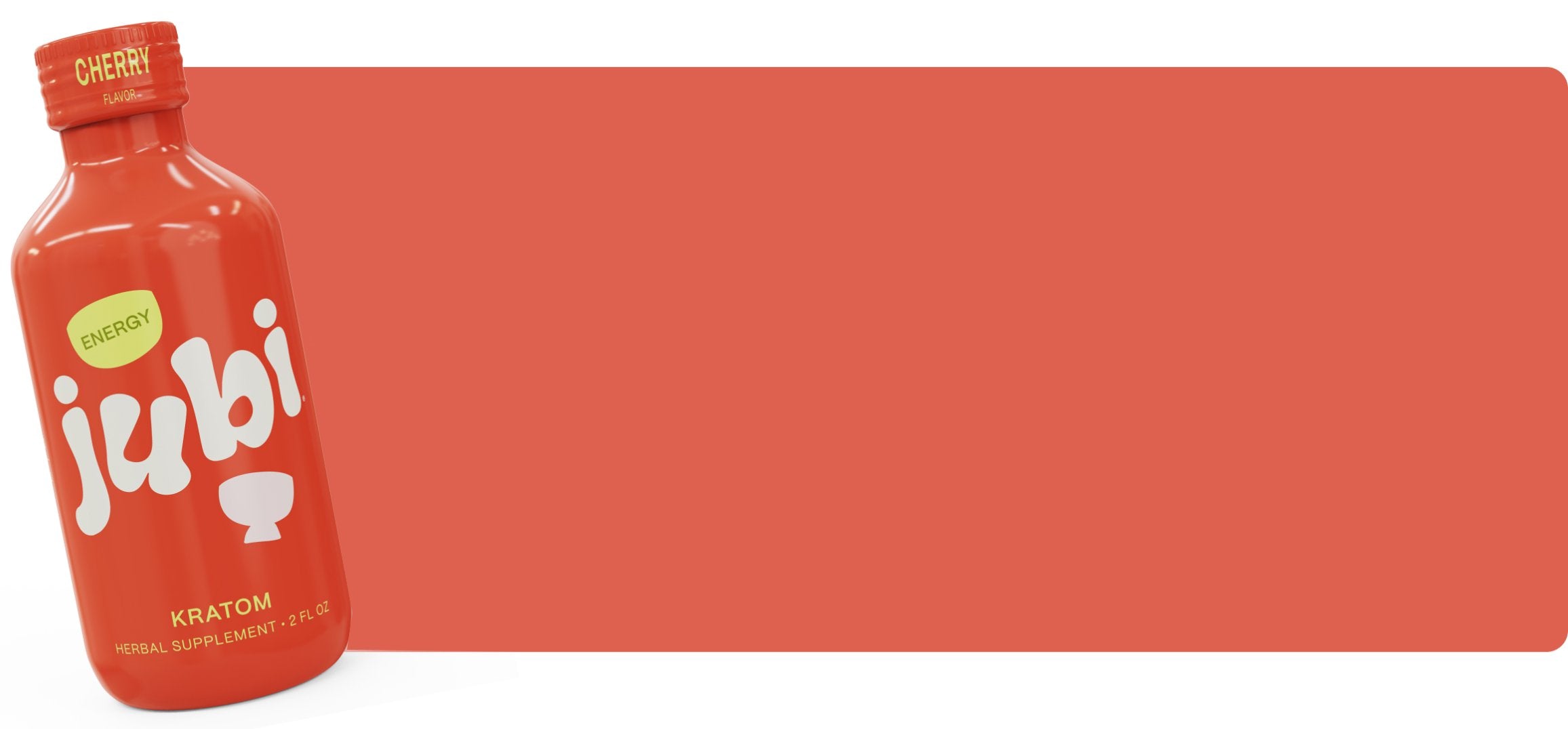
Jubi's kratom-based products - Cherry Energy Shot, Lime Focus Shot, and Kratom Stick Packs - provide White Vein Kratom's adrenergic and serotonergic energy support when the day's demands require more than foundational habits alone provide. Used responsibly and within recommended serving sizes, these products extend the energy window available for demanding work without the blood sugar disruption and crash cycle of conventional energy products.*
For stress resilience:
Ashwagandha and Rhodiola - available in supplement form and increasingly in functional beverages - support the HPA axis regulation that keeps chronic stress from consuming energy reserves. Used consistently, they reduce the energy cost of stress and improve resilience to the demands that modern professional life reliably creates.*
For evening recovery:
Jubi's kava products - Strawberry Chill Kava Shot and Kava Stick Packs - support the evening recovery that makes the next day's energy possible. The GABA-mediated relaxation from kavalactones, without sleep architecture disruption, is the most functionally appropriate botanical support for the evening recovery investment.*
Putting It Together: A Sample Daily Energy-Optimizing Routine
This is what a day built around these habits actually looks like - achievable without dramatic schedule changes:
6:30am - Wake (consistent daily) Drink 20oz water with electrolytes immediately. Step outside for ten to fifteen minutes of morning light exposure while reviewing the day's priorities.
7:00am - Breakfast Protein-forward breakfast (eggs, Greek yogurt, protein smoothie). Take the Jubi Lion's Mane Clarity + Energy Shot - timed ninety minutes after waking for optimal caffeine strategy.
8:30am - Work begins First demanding cognitive work block while morning energy is highest. Brief movement break at the ninety-minute mark.
10:30am - Mid-morning Quality green tea or matcha for continued cognitive support. Water. Second brief movement break.
12:00pm - Lunch Protein and vegetable-forward lunch with moderate complex carbohydrates. Ten-minute walk immediately after.
1:30pm - Strategic energy support Jubi Kratom Stick Pack if afternoon demands are high, or peppermint tea for caffeine-free alertness support. Water with electrolytes.
3:00pm - Movement break Five to ten minutes of physical movement - walk, bodyweight exercises, stairs. This is the most effective time to address the early afternoon energy dip without caffeine.
5:30pm - Transition Jubi Piña Colada Relax Shot or Strawberry Chill Kava Shot to begin the transition from work mode to recovery mode. The botanical relaxation begins the parasympathetic shift that the evening needs.
8:30pm - Wind-down begins Dim lights. Reduce screen exposure. Light reading or stretching. Jubi Kava Stick Pack if additional relaxation support is needed.
9:30pm - Sleep (consistent daily) Consistent with the wake time established at 6:30am - seven to nine hours of sleep at consistent times every night.
Frequently Asked Questions
Which of these habits has the biggest impact on daily energy? Sleep consistency and morning hydration produce the most immediate and consistent improvements for most people. Everything else builds on these two foundations. If you can only change two things, change your sleep schedule consistency and your morning hydration.
How long before I notice energy improvements from these habits? Morning hydration: within days. Sleep consistency: within one to two weeks. Exercise: within two to four weeks. Lion's Mane progressive cognitive enhancement: within two to four weeks. The compound effect of all habits together: meaningful improvement within one month.
Can botanical products replace the foundational habits? No - and the evidence strongly suggests they shouldn't be used this way. Botanical energy support produces the best outcomes when it's amplifying a system that's already working reasonably well. Using kratom shots or nootropic supplements to compensate for chronic sleep deprivation produces diminishing returns and increases dependency risk.
Is it safe to combine multiple Jubi products? Many users incorporate both daily Lion's Mane Shots for cognitive support and kava products for evening relaxation. Be mindful of total mitragynine intake if using multiple kratom products. Do not combine any Jubi products with alcohol. Consult a healthcare provider if you take prescription medications.
What's the fastest single change to make for better daily energy? Drink 20oz of water with electrolytes before anything else every morning for one week. This single change, sustained for seven days, produces noticeable improvements in morning alertness and daily energy for the majority of people who implement it consistently.
These statements have not been evaluated by the Food and Drug Administration. These products are not intended to diagnose, treat, cure, or prevent any disease. Not for sale to persons under the age of 18 or the legal age for kratom use in your state. Consult a healthcare provider before use if you are pregnant, nursing, have a serious medical condition, or take prescription medications. Some products may be habit forming or lead to addiction. For the full warning statement, visit DrinkJubi.com.
Jubi does not ship to: Alabama, Arkansas, Indiana, Rhode Island, Vermont, Wisconsin, Sarasota County (FL), Union County (MS), Denver (CO), or San Diego (CA). Please verify local regulations before purchasing.