
The beverage industry is undergoing its most significant transformation in a century. Here's what's driving it, what it means for consumers, and where it's headed.
The history of the American beverage industry can be divided into two eras.
The first era lasted most of the twentieth century. It was the era of scale, standardization, and palatability engineering - the era when Coca-Cola, Pepsi, Budweiser, and a handful of other companies achieved market dominance by perfecting the combination of sugar, carbonation, caffeine, and flavor that made their products as widely appealing and as habitually consumed as possible. Success in this era was measured by volume, and volume was achieved by optimizing for the lowest common denominator of taste preference across the largest possible population.
The second era is the one we're currently living through. It's the era of wellness, personalization, and functional purpose - the era when consumers are asking not just "does this taste good?" but "what does this do for me?" and "what's actually in it?" Success in this era is being defined by genuinely different criteria than the first era, and the companies winning are the ones that understand how fundamentally the rules have changed.
This shift is not a minor adjustment in consumer preference. It is, by most measures of industry analysis, the most significant structural transformation the beverage industry has experienced in over a century. Understanding it - where it came from, what's driving it, what it's producing, and where it's heading - matters both for people building businesses in this space and for consumers trying to make sense of the increasingly crowded and sophisticated landscape of options that now fills grocery shelves, online platforms, and functional beverage specialty retailers.
The Numbers Behind the Transformation
Before discussing the forces driving the wellness beverage revolution, it's worth establishing the scale of what's actually happening through the lens of market data.
Soda consumption in the United States has declined for over twenty consecutive years - from a peak of approximately 54 gallons per capita annually in 1998 to roughly 36 gallons by the early 2020s. This is a 33% decline in per-capita consumption of a product category that was, for most of the twentieth century, essentially synonymous with American beverage culture.
The functional beverage category - a broad term covering energy drinks with better ingredient profiles, nootropic beverages, botanical shots, kombucha, adaptogen drinks, probiotic beverages, and plant-based alternatives - has grown from a niche that barely registered in mainstream retail to a multi-billion-dollar category that major retailers now dedicate significant shelf space to.
The global functional beverage market was valued at approximately $115 billion in 2020 and is projected to reach over $200 billion by 2030 - a compound annual growth rate that makes it one of the fastest-growing segments in consumer packaged goods globally.
The natural and organic beverage category has grown at double-digit rates for over a decade. Kombucha, which was a fringe product consumed by a tiny minority of health enthusiasts in 2010, is now available in virtually every major grocery chain in America and generates billions in annual revenue.
These are not the numbers of a passing trend. They are the numbers of a structural shift in consumer behavior that is reshaping one of the largest consumer industries in the world.
The Forces Driving the Wellness Beverage Revolution
Multiple converging forces have produced the wellness beverage revolution - and understanding them helps explain why this transformation is likely to accelerate rather than reverse.
Generational Shift in Health Values
The most foundational driver of the wellness beverage movement is generational. Millennials - the generation that came of age in the 1990s and 2000s - were the first generation to grow up in the full glare of the internet's nutritional information explosion. The information that, for previous generations, required a medical professional to access or a nutritional textbook to find was available with a Google search by the time millennials were making their first independent consumer choices.
This access to information produced a generation with meaningfully higher nutritional literacy than their predecessors - and meaningfully higher expectations about what their daily consumption should be doing for them. Millennials are the generation that drove organic food from specialty to mainstream, that built the farm-to-table restaurant movement, and that created the market for functional foods and beverages that address specific wellness goals.
Generation Z has amplified this further. Growing up with social media's constant stream of wellness content - fitness influencers, nutritional education accounts, transparent-label advocacy - Gen Z consumers enter adulthood with sophisticated label-reading habits and explicit expectations that the products they consume should align with their values and support their health goals. Survey data consistently shows Gen Z as the most health-conscious consumer generation in American history.
The Transparency Revolution
Consumer access to information about what's in products - through ingredient label awareness, third-party certification, independent testing, and the viral spread of nutritional education through social media - has fundamentally changed the competitive landscape for beverage brands.
A brand that successfully obscured its less appealing ingredients behind general flavor names and appealing packaging in 1985 faces a very different consumer environment in 2025. That same product photographed with its ingredient list highlighted and shared on Instagram or TikTok reaches millions of consumers who will compare it unfavorably to cleaner alternatives. The transparency revolution has raised the floor for ingredient quality across the entire beverage industry - not because all brands have chosen to raise their standards, but because the market increasingly punishes those that haven't.
This has benefited brands with genuinely clean, transparent formulations. Jubi's approach - clearly labeled botanical ingredients, third-party lab testing with published Certificates of Analysis, explicit listing of active compound content (mitragynine in milligrams, kavalactones in milligrams) - is specifically aligned with what the transparency revolution's most engaged consumers are looking for. When the COA is available before purchase and the active compound content is clearly stated on the label, the trust foundation that transparency-oriented consumers require is present from the first interaction.
The Performance Culture
The quantified self movement - tracking sleep, monitoring nutrition, measuring recovery, optimizing cognitive performance - has created a consumer segment that evaluates everything, including beverages, through the lens of its contribution to performance outcomes.
This is a segment that genuinely wants to know whether the beverage they're consuming is supporting their cognitive performance, their physical recovery, their stress resilience, or their sleep quality. They have the tools (Oura rings, Whoop bands, continuous glucose monitors, sleep trackers) to measure whether interventions are working. And they're willing to pay a meaningful premium for beverages that demonstrably contribute to the performance metrics they care about.
The wellness beverage industry's response to this consumer has been the nootropic beverage category - products specifically formulated to support cognitive performance through research-backed ingredients like Lion's Mane mushroom, L-Theanine, Cognizin Citicoline, Bacopa Monnieri, and Ginkgo Biloba. Jubi's Lion's Mane Clarity + Energy Shot is a direct product of this demand - six research-supported cognitive ingredients formulated specifically for the performance-oriented consumer who wants to understand exactly what each ingredient does and why it's included.*
The Mental Health Moment
The 2010s and 2020s produced a dramatic mainstreaming of mental health awareness - a shift from a topic that was largely private and stigmatized to one that is openly discussed, publicly advocated for, and actively incorporated into consumer decisions.
This shift has created enormous demand for products that support mental wellbeing - relaxation, stress management, anxiety reduction, mood support, and sleep quality - through botanical and functional mechanisms. The kava category specifically has benefited from this demand, as consumers seeking natural relaxation tools without alcohol's negative consequences have discovered kava's well-documented kavalactone-mediated GABA receptor effects.
The kava bar phenomenon - dedicated establishments serving kava as the primary beverage in social contexts traditionally associated with alcohol - has been one of the most visible expressions of this trend. Kava bars have proliferated across American cities as physical embodiments of the demand for social spaces built around mental wellness rather than alcohol consumption.
Products like Jubi's Strawberry Chill Kava Shot, Piña Colada Relax Shot, and Kava Stick Packs bring the kava bar experience into daily life in convenient formats - directly addressing the mental wellness demand that is one of the most significant forces reshaping what consumers want from their beverages.*
The Sober Curious Movement
The sober curious movement - a growing cultural orientation toward intentional moderation or elimination of alcohol consumption - has created a specific demand for beverages that perform alcohol's social and mood functions without alcohol's consequences.
This movement has driven significant innovation in the non-alcoholic beverage space: sophisticated non-alcoholic spirits, functional botanicals, kava products, and adaptogen beverages that provide genuine mood and social ease effects. The movement is particularly strong among adults under 35 - the same generation whose health values are reshaping the broader beverage market.
For the functional botanical beverage category, the sober curious movement is not a niche demand but a mainstream one. Survey data suggests that a majority of adults under 35 are either currently reducing alcohol consumption or interested in doing so - a consumer base large enough to support significant product development and market growth.
How the Industry Is Responding
The major beverage companies have watched the wellness beverage revolution with a mixture of concern and adaptation. The responses have taken several forms.
Acquisition and Investment
The fastest path to wellness beverage market position for large conventional beverage companies has been acquisition. Coca-Cola acquired Honest Tea, invested in ZICO coconut water, and launched the Coke Energy line. PepsiCo acquired KeVita kombucha, invested in Health Warrior, and launched Rockstar Energy. Monster Beverage acquired a range of energy drink brands with cleaner positioning.
This acquisition strategy reflects a recognition that organic development of wellness beverage credibility is slow and difficult for companies whose brand histories are built around the exact products consumers are moving away from. Buying credibility - through acquiring brands that have already built it - is the faster path.
The limitation of this approach is authenticity. Consumers who care deeply about ingredient quality and brand values are often sophisticated enough to research brand ownership and are skeptical of wellness credentials attached to products owned by the same corporations that produce the sodas they're consciously avoiding.
New Brand Development
A second response has been the development of genuinely new brands built from the ground up around wellness positioning. This is where most of the authentic innovation in the functional beverage category has occurred - not in the adaptations of existing conventional brands but in entirely new companies that were conceived from the beginning around functional benefits, clean ingredients, and transparent formulation.
Brands like Jubi represent this category - built specifically around premium botanical ingredients (kratom, kava, Lion's Mane), with transparent third-party testing, clean-label formulations, and explicitly performance-oriented positioning. These brands don't have to reconcile wellness positioning with a legacy of conventional beverage production because they have no such legacy. The wellness orientation is original, not retrofitted.*
Ingredient Innovation
The ingredient landscape of functional beverages has expanded dramatically as the category has grown. Beyond the adaptogens and botanicals that characterize the current market, investment in novel functional ingredients - precision fermentation-derived functional compounds, emerging botanical extracts, microbiome-targeted ingredients - is accelerating.
The kratom and kava categories specifically have benefited from this ingredient innovation moment - increasing investment in extraction technology, standardization methods, and quality testing infrastructure has meaningfully improved the quality and consistency of kratom and kava products compared to what was available even five years ago. Jubi's cold-water extraction process and its third-party testing program reflect this investment in ingredient innovation and quality infrastructure.*
Regulatory Evolution
The regulatory environment for functional beverages has been evolving - sometimes in ways that expand the category and sometimes in ways that create uncertainty. The FDA's position on kratom, the FTC's standards for functional benefit claims, and state-level regulatory variation in kratom and kava legality all create a complex compliance landscape that brands in this space must navigate carefully.
Brands that invest in the compliance infrastructure - third-party testing, accurate labeling, transparent active compound disclosure, alignment with industry standards bodies like the American Kratom Association - are better positioned for the regulatory evolution that the category will inevitably undergo as it grows into mainstream significance.
The Functional Beverage Categories Winning in the Wellness Revolution
Within the broader wellness beverage revolution, specific categories are capturing the most significant growth and consumer attention.
Nootropic and Cognitive Performance Beverages
The nootropic beverage category - products specifically formulated to support cognitive performance - has grown from essentially nothing in 2010 to a meaningful market segment by the mid-2020s. This growth has been driven by the performance optimization culture and the growing awareness that the beverage you consume daily can either support or impair the cognitive function that modern knowledge work demands.
The category is bifurcating: one segment produces products with modest doses of familiar ingredients (B-vitamins, basic adaptogen extracts) primarily for their marketing appeal; another segment produces genuinely sophisticated formulations with research-supported ingredients at clinically relevant doses. Jubi's Lion's Mane Clarity + Energy Shot represents the latter - 500mg dual-extracted Lion's Mane, 200mg L-Theanine, 250mg Cognizin Citicoline, 120mg Ginkgo Biloba, 150mg Bacopa Monnieri, and 80mg natural caffeine, all at doses aligned with the research showing cognitive performance effects.*
The consumers who will drive this category's long-term growth are those who have tried enough products to distinguish genuine formulation quality from marketing theater. Brands that can demonstrate real ingredient quality through transparent testing and genuine performance support will capture this segment's loyalty; brands that ride the nootropic label without the substance behind it will face increasing pressure as consumer sophistication grows.
Botanical Relaxation Beverages
The botanical relaxation category - kava, adaptogen blends, and combination botanical products for stress management and relaxation - is one of the fastest-growing segments in the functional beverage market. Driven by the mental health mainstreaming and sober curious trends discussed above, this category is capturing demand from multiple directions simultaneously.
Kava specifically is well-positioned within this category because it has the clearest mechanism and the strongest traditional use record of any botanical relaxant available in beverage format. The thousands of years of continuous Pacific Island use, combined with growing modern research on kavalactone mechanisms, provides a credibility foundation that newer botanical ingredients lack.
Jubi's kava lineup - Strawberry Chill Shot, Piña Colada Relax Shot, and Kava Stick Packs in five flavors - addresses the key historical barrier to kava's mainstream adoption: taste. The flavor development that makes Jubi's kava products genuinely enjoyable to drink is not cosmetic; it's the specific innovation that makes kava accessible to a mainstream consumer audience rather than limited to enthusiasts willing to tolerate traditional kava's challenging flavor profile.*
Botanical Energy and Focus Beverages
The botanical energy category - functional beverages that provide sustained energy and cognitive focus through plant-derived alkaloids rather than synthetic caffeine - addresses the largest single segment of conventional energy drink and soda consumers: people using these products as functional energy tools.
Kratom-based energy products occupy a specific and valuable position in this category. Mitragynine's adrenergic and serotonergic mechanisms produce a quality of energy support - directional, mood-positive, without the jitteriness of high synthetic caffeine - that differentiates kratom-based beverages from both conventional energy drinks and simple natural caffeine alternatives.
The challenge this category faces is regulatory and educational: kratom remains unfamiliar to many mainstream consumers and subject to state-level legal variation. Brands that invest in consumer education alongside product quality - explaining clearly what kratom is, how it works, what the traditional use record shows, and what the responsible use guidelines are - are building the consumer understanding that will support the category's mainstream growth.*
Fermented and Probiotic Beverages
Kombucha, kefir, jun tea, and other fermented beverages have grown from specialty products to mainstream retail staples over the past decade - driven by growing consumer awareness of the gut microbiome's role in overall health and wellness.
The gut-brain connection that emerging research has been elucidating - the bidirectional communication between the enteric nervous system and the central nervous system - has specifically connected probiotic beverage consumption to mental health outcomes, creating a bridge between the probiotic category and the mental wellness demand that is driving so much of the wellness beverage revolution.
What This Means for the Future of the Beverage Industry
The forces driving the wellness beverage revolution are not weakening. They are, by most indicators, strengthening - and the structural changes they're producing in the beverage industry will be durable rather than cyclical.
The consolidation of the wellness premium:
Consumers who have made the transition from conventional to wellness beverages at a premium price point rarely revert. This is partly because their preferences adjust - soda tastes worse after several months away from it - and partly because the functional benefits they experience create genuine loyalty that price sensitivity doesn't easily overcome. The consumer who has experienced the difference in their cognitive performance, stress levels, or sleep quality is a different buyer than the consumer who's simply heard that wellness beverages are better.
The acceleration of personalization:
The next frontier in the functional beverage industry is personalization - products formulated for specific individual needs based on health data, genetic information, and real-time performance monitoring. The same technology that has made fitness tracking mainstream is beginning to enable precision nutrition at the individual level. Functional beverages that can be customized to an individual's specific metabolic needs, health goals, and performance requirements represent the next evolution of the category.
The regulatory maturation:
As botanical ingredient categories grow in commercial significance, they attract regulatory attention that ultimately produces more defined standards - for labeling accuracy, active compound testing, health claim substantiation, and safety monitoring. This regulatory maturation is generally positive for brands that have already invested in quality infrastructure and negative for brands that have competed on the absence of standards. The kratom industry's engagement with the American Kratom Association's GMP program represents exactly this kind of proactive standard-setting that positions quality brands favorably for regulatory evolution.
The geographic expansion:
The wellness beverage revolution is a global phenomenon, not a uniquely American one. European markets, which have historically had stricter food and beverage regulations but sophisticated wellness consumer bases, are experiencing similar category growth. Asian markets, where traditional botanical wellness has never been as marginalized as in Western cultures, are seeing domestic innovation alongside international brand expansion. The global addressable market for functional wellness beverages is substantially larger than the American market alone.
The Brands That Will Win the Wellness Beverage Revolution
In a transforming industry, the brands that emerge as long-term leaders share specific characteristics that are worth identifying.
Genuine functional efficacy:
The wellness beverage consumer is becoming increasingly sophisticated about distinguishing real functional benefit from wellness theater. Brands whose formulations include genuinely effective ingredients at genuinely effective doses - supported by third-party testing and aligned with available research - will build the consumer trust that sustains long-term loyalty. Brands that rely on wellness positioning without the substance to support it will face increasing pressure as consumer sophistication grows.
Authentic transparency:
Publishing lab results rather than just claiming quality. Listing active compound content rather than just botanical ingredient names. Disclosing sourcing practices. Being honest about what products do and don't do. The brands that operate with genuine transparency are building the trust foundation that the wellness beverage category's most engaged consumers require and reward.
Category education:
The brands that win in emerging functional ingredient categories - kratom, kava, nootropic mushrooms, novel adaptogens - will be those that invest in consumer education alongside product marketing. Consumers who understand what kava is and what kavalactones do are better buyers of kava products than consumers who've simply seen attractive packaging. The educational investment that builds category understanding builds a customer who knows what they're getting and values it accordingly.
Quality of experience:
Functional beverages that taste genuinely good have a durability advantage over those that are functional but unpleasant. The innovation required to make kava taste like strawberry lemonade, to make kratom taste like lime, to make Lion's Mane taste like toasted coconut - this flavor development work is not superficial. It is the specific innovation that moves functional ingredients from enthusiast markets to mainstream ones, and the brands that have solved it are better positioned for the mainstream growth phase that is arriving.
The Jubi Positioning in the Wellness Revolution
Jubi's product development trajectory reflects a clear and coherent positioning in the wellness beverage revolution: premium botanical ingredients, transparent quality standards, genuine functional formulation, and exceptional flavor development - all aligned with the specific demands of the wellness-oriented consumer who is driving the category's growth.
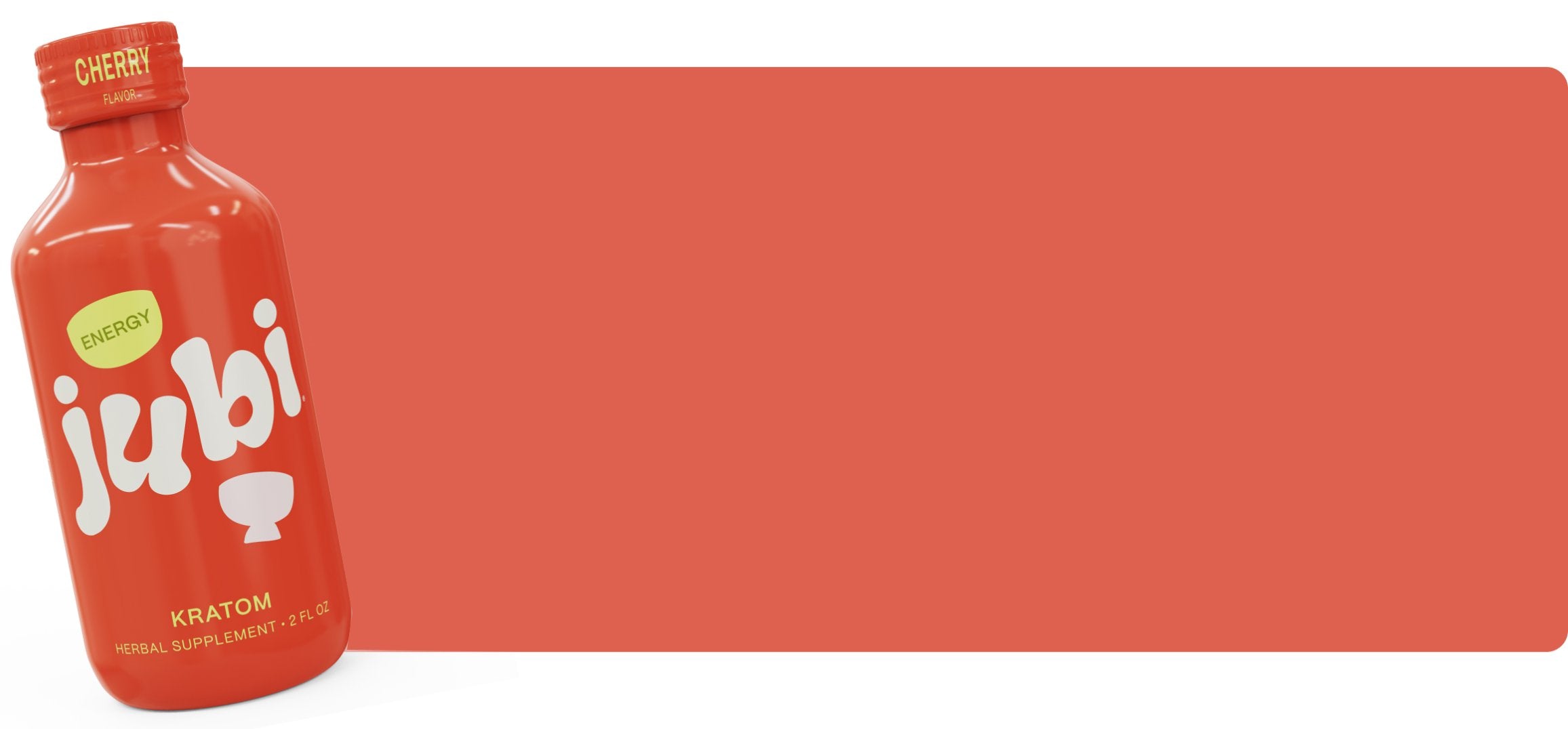
The cherry energy shot that provides White Vein Kratom energy in a bold, genuinely enjoyable cherry flavor. The lime focus shot that provides maximum mitragynine cognitive support in a refreshing lime format. The strawberry chill kava shot that brings 500mg kavalactones to a mainstream audience through strawberry flavor that makes the botanical accessible. The lion's mane clarity shot that delivers the most comprehensive nootropic stack available in a convenient format at $5.99. The five-flavor kava stick packs that bring the kava bar experience to any occasion through powder mixes with genuine summer-appropriate flavors.*
This is a product portfolio built for the moment the wellness beverage industry is in - and for the broader moment that's coming as the wellness revolution moves from early adopters through mainstream adoption to full market penetration.
The brands that understood what was happening in the beverage industry before it became obvious are the ones building the consumer relationships and category expertise that will define the next decade of the market. Jubi is building those relationships and that expertise - in kratom, in kava, in nootropic botanicals - at exactly the right time.*
Frequently Asked Questions
Is the wellness beverage trend permanent or will consumers return to conventional beverages? The structural drivers - generational health values, transparency expectations, mental wellness awareness - are demographic and cultural rather than cyclical. Consumers who make the shift to wellness beverages based on genuine functional experience rarely return to conventional alternatives. The trend is permanent in its directional movement, though the specific products that lead it will evolve.
Are wellness beverages actually better for you than conventional beverages? The genuinely functional ones - formulated with real ingredients at real doses, transparently labeled, and supported by quality testing - are meaningfully better than conventional beverages that provide no functional benefit and may actively harm health through sugar load, artificial additives, and synthetic stimulant profiles. The category is not uniformly high quality, and consumer sophistication in distinguishing genuine quality from marketing positioning matters.
What makes a functional beverage genuinely functional versus just marketed as functional? Specific active ingredients at doses aligned with research showing effects. Transparent labeling of active compound content rather than just botanical ingredient names. Third-party testing verifying that labeled content matches actual content. Honest representation of what the product does and doesn't do. Jubi's approach - publishing COAs, listing mitragynine and kavalactone content specifically, providing honest responsible use guidance - meets this standard.
Where is the wellness beverage industry headed in the next five years? Continued growth, continued premiumization, increasing personalization, regulatory maturation for emerging botanical categories, and geographic expansion beyond North American and European markets. The brands positioned best for this trajectory are those with genuine quality foundations, authentic transparency, and category expertise in the botanical and nootropic ingredients driving category growth.
These statements have not been evaluated by the Food and Drug Administration. These products are not intended to diagnose, treat, cure, or prevent any disease. Not for sale to persons under the age of 18 or the legal age for kratom use in your state. Consult a healthcare provider before use if you are pregnant, nursing, have a serious medical condition, or take prescription medications. Some products may be habit forming or lead to addiction. For the full warning statement, visit DrinkJubi.com.
Jubi does not ship to: Alabama, Arkansas, Indiana, Rhode Island, Vermont, Wisconsin, Sarasota County (FL), Union County (MS), Denver (CO), or San Diego (CA). Please verify local regulations before purchasing.