
The generation that grew up reading ingredient labels is reshaping the entire beverage industry. Here's what's driving the shift - and what it means for everyone.
Every generation inherits the world that preceded it and then changes it according to its own values and experiences. The Boomers built the suburban consumer culture. Gen X refined it with irony and skepticism. Millennials digitized it and brought wellness into the mainstream conversation.
Gen Z is doing something different. They're not just modifying the existing consumer culture - they're fundamentally questioning its assumptions. And nowhere is that questioning more visible, more commercially significant, and more consequential for the future of consumer goods than in what they choose to drink.
The statistics alone are striking. Generation Z - broadly defined as people born between 1997 and 2012 - is the most health-conscious consumer generation in American history by virtually every measure. They drink less alcohol than any previous generation at the same age. They consume less soda. They read ingredient labels at rates that previous generations didn't. They're more likely to seek functional benefits from their beverages rather than just taste and refreshment. And they're driving the explosive growth of the wellness beverage category that is reshaping the entire drinks industry.
But statistics without context are just numbers. The more interesting question is why - what is it about this generation's specific experience that has produced these health-oriented values, and what does their beverage behavior actually look like in practice?
This guide explores those questions in depth - and connects them to the broader wellness beverage movement that Gen Z's choices are both reflecting and accelerating.
Who Is Gen Z? Understanding the Generation Before Understanding the Behavior
Generation Z is the first generation to have grown up entirely in the internet era. The oldest Gen Z members were born in 1997 - the year Google was founded - and the youngest are still teenagers. By the time they were forming their first consumer preferences and health values, the internet was already mature, smartphones were already ubiquitous, and social media was already the primary channel through which culture moved.
This technological context shapes everything about how Gen Z thinks, learns, and makes decisions - including decisions about what to drink.
Previous generations formed their health values through slower-moving channels: school nutrition education, parental guidance, medical professionals, and mainstream media. These channels moved information slowly and filtered it through institutional gatekeepers who controlled what reached the public and how it was framed.
Gen Z formed their health values through channels that are faster, less filtered, more peer-driven, and more transparent. A teenager in 2015 could watch a video explaining exactly what high-fructose corn syrup does in the body and see it shared by five million people before any institutional authority had a chance to moderate or contextualize it. They could read the actual ingredient list of a popular energy drink and compare it to clinical research about its components. They could find communities of people making health-conscious choices and adopt those choices as social norms rather than fringe behaviors.
The result is a generation that, on average, knows more about nutrition, ingredient safety, and beverage composition than any previous generation entering adulthood - and that has formed strong values around that knowledge that translate directly into purchasing behavior.
The Five Forces Shaping Gen Z's Beverage Values
1. Radical Transparency Expectations
Gen Z doesn't just want products that claim to be healthy. They want to verify the claim themselves.
This expectation of transparency is one of the most significant behavioral characteristics of Gen Z as consumers. In survey after survey, Gen Z respondents indicate higher rates of label-reading, ingredient research, and third-party verification-seeking than Millennials at the same age - and Millennials were already notably more label-conscious than Gen X or Boomers.
For beverages specifically, this means that marketing language - "natural," "wholesome," "clean" - carries less weight with Gen Z than it does with older consumers. Gen Z is more likely to look past the front-of-package claims to the ingredient list, and more likely to research unfamiliar ingredients before purchasing.
This transparency expectation creates significant pressure on beverage brands. Products with genuinely clean ingredient profiles - like Jubi's botanical shot lineup, which clearly labels active compound content (specific milligrams of mitragynine, specific milligrams of kavalactones) alongside a clean-label formulation - meet this expectation in ways that conventional beverages with long lists of synthetic additives and artificial sweeteners don't.
The brands winning with Gen Z consumers are those that treat transparency as a feature rather than a risk - brands that actively invite scrutiny of their formulations because the formulations hold up to scrutiny.
2. Mental Health Consciousness
Gen Z is the most openly mental-health-aware generation in American history. They have grown up in a cultural moment when mental health is discussed more openly than at any previous point - when anxiety, depression, and stress are acknowledged as genuine health challenges rather than character weaknesses, and when seeking help and taking proactive steps to support mental wellbeing is normal rather than stigmatized.
This mental health consciousness translates directly into beverage choices in several ways.
Alcohol - which previous generations often used as a primary stress management and social ease tool - is increasingly recognized by Gen Z as both a mood disruptor (alcohol is a depressant, and its rebound effects can amplify anxiety) and a sleep disruptor (alcohol's effects on sleep architecture impair the quality of rest that mental health depends on). Gen Z's lower alcohol consumption rates reflect, in part, this clearer-eyed understanding of what alcohol actually does to mental health over time.
In place of alcohol's stress relief function, Gen Z has been among the earliest and most enthusiastic adopters of botanical relaxation products - kava, adaptogen beverages, and combination botanical drinks that address the anxiety and stress dimensions of daily life through mechanisms that support rather than impair sleep and mental function.*
Jubi's kava product lineup - Strawberry Chill Kava Shot, Kava Stick Packs, and Piña Colada Relax Shot - directly addresses the mental wellness demand that is one of the most significant drivers of Gen Z's beverage choices. These products provide genuine kavalactone-mediated relaxation through the same GABA receptor mechanisms that alcohol activates - with dramatically different downstream effects on sleep quality, next-morning wellbeing, and long-term mental health.*
3. The Social Media Nutrition Education Ecosystem
Social media has created an unprecedented nutrition education ecosystem that has directly shaped Gen Z's understanding of what beverages do to the body.
Food and nutrition content on TikTok, Instagram, and YouTube has produced a generation that is genuinely more informed about ingredient effects than any preceding one. Videos explaining the metabolic effects of high-fructose corn syrup, the gut microbiome implications of artificial sweeteners, the sleep architecture disruption of alcohol, and the cognitive performance implications of synthetic caffeine at high doses have reached hundreds of millions of viewers - many of them Gen Z.
This isn't the formal nutrition education of school health classes - it's peer-driven, often entertaining, frequently controversial, and transmitted through the social trust networks that Gen Z relies on for information more than institutional authority. The virality of this content means that specific knowledge about specific ingredients - "aspartame may affect gut bacteria," "artificial colors are banned in European products that sell them without warnings in the US," "7-OH is a specific alkaloid in kratom with different effects than mitragynine" - spreads through Gen Z consumer culture with a speed that no previous generation's health education achieved.
The result is a consumer cohort that enters the beverage aisle with specific knowledge rather than general impressions - and that makes purchasing decisions based on that knowledge in ways that benefit transparent, clean-label brands and disadvantage those relying on marketing language to obscure less appealing formulations.
4. The Sober Curious Movement
The sober curious movement - a growing cultural orientation toward intentional moderation or elimination of alcohol - is disproportionately a Gen Z phenomenon. While Millennials initiated much of the mainstream conversation around sober curiosity, Gen Z has adopted it at higher rates and is driving it forward with greater momentum.
Gen Z drinks less alcohol than any previous generation at the same age. The reasons are multiple and interacting: the mental health awareness discussed above, the nutritional literacy that makes alcohol's costs more visible, the social media culture where curated self-presentation makes the loss of control associated with intoxication less appealing, and the economic reality that Gen Z has entered adulthood in financial circumstances that make discretionary spending on expensive alcohol more deliberate than habitual.
The sober curious movement has created enormous demand for beverages that perform alcohol's social and mood functions without alcohol's consequences - and this demand has directly driven the growth of functional botanical beverages, kava bars, non-alcoholic spirits, and adaptogen drinks.
Gen Z consumers who are consciously reducing their alcohol intake are not looking for soda or sparkling water as substitutes. They're looking for beverages that actually do something for their mood and social ease without the downsides. Kava and kratom products - which provide genuine botanical effects through mechanisms that don't impair function or disrupt sleep - are specifically well-positioned for this demand.*
5. Performance Optimization Culture
Gen Z has grown up with the quantified self as a normal concept. Fitness trackers, sleep monitors, continuous glucose monitors, and health optimization apps are mainstream tools for a generation that treats their bodies as systems to be optimized rather than simply maintained.
This performance orientation extends to beverage choices. Gen Z consumers in the performance-oriented segment evaluate their beverages not just by taste or even by health impact but by specific functional contributions to the performance outcomes they track. Does this beverage improve my cognitive performance? Does it support my sleep quality? Does it help my post-workout recovery? Does it contribute to or detract from the metrics I'm monitoring?
This is the exact evaluation framework that benefits genuinely functional beverages - and specifically benefits products like Jubi's Lion's Mane Clarity + Energy Shot, which provides six research-supported cognitive ingredients that address specific cognitive performance mechanisms, and whose progressive benefits (from consistent Lion's Mane use) are exactly the kind of cumulative improvements that performance-tracking Gen Z consumers would notice and value.*
What Gen Z's Beverage Preferences Actually Look Like
Understanding the forces shaping Gen Z's values is one thing. Understanding what their beverage preferences actually look like in practice is more commercially useful.
They're choosing functional over recreational:
The most significant shift in Gen Z beverage behavior is the move from beverages that taste good or provide simple refreshment to beverages that do something useful. This doesn't mean Gen Z won't drink for pleasure - they absolutely will. But the category they're most enthusiastic about, most willing to spend on, and most loyal to is the functional beverage category - products that provide cognitive support, relaxation, energy, gut health benefits, or other specific wellness outcomes alongside or instead of simple refreshment.
They're drinking less alcohol and replacing it thoughtfully:
Gen Z's reduced alcohol consumption is well-documented. What's less discussed is how they're filling the social beverage role that alcohol previously played. The most relevant replacements are not sodas or sparkling waters - which fill the cup but don't address the social ease and mood functions that alcohol provided. The most relevant replacements are functional botanicals that provide genuine mood and social ease effects: kava, adaptogen beverages, and botanical shots that work through documented mechanisms rather than just providing pleasant taste.*
They're label readers and third-party verification seekers:
Before purchasing a beverage product they haven't tried before, Gen Z consumers are significantly more likely than older consumers to read the ingredient list, research unfamiliar ingredients, look for third-party testing evidence, and seek social proof from peers they trust. This behavior pattern benefits brands that operate with genuine transparency - and specifically benefits brands that publish lab results, clearly list active compound content, and provide honest information about what their products do and don't do.
They're channel-agnostic with a preference for direct:
Gen Z is comfortable purchasing beverages through multiple channels - retail, direct-to-consumer, subscription - with less preference for traditional retail than older consumers. The direct-to-consumer channel specifically appeals to their desire for transparency (direct brands tend to provide more information about their products) and their comfort with online purchasing. Jubi's direct-to-consumer model, with subscription options, free shipping thresholds, and comprehensive product information, aligns well with Gen Z's channel preferences.
They're community-driven:
Gen Z's purchasing decisions are more peer-influenced than any previous generation's. Product recommendations from trusted individuals in their social networks carry more weight than advertising, influencer marketing carries more weight than celebrity endorsement, and community belonging around a brand or product category - the sense of being part of something larger than a simple transaction - matters more to Gen Z brand loyalty than it does to older consumer cohorts.
The kratom and kava communities on Reddit, TikTok, and other platforms - where real users share honest experiences with specific products - are exactly the kind of community-driven information environment that Gen Z navigates naturally and trusts more than branded content.
The Categories Gen Z Is Driving
Kombucha and probiotic beverages:
Gen Z has been among the most significant drivers of the kombucha category's growth - driven by gut health awareness, the appeal of a naturally fermented product with transparent ingredients, and the genuine flavor complexity that satisfies the desire for something interesting without the downsides of soda or alcohol.
Functional mushroom beverages:
Lion's Mane, chaga, reishi, and cordyceps mushroom-based beverages have found a particularly enthusiastic audience in Gen Z, driven by TikTok and YouTube content explaining the cognitive and physical benefits of medicinal mushrooms. The Jubi Lion's Mane Clarity + Energy Shot represents the most sophisticated product in this category - 500mg dual-extracted Lion's Mane per serving alongside five other cognitive performance ingredients at research-relevant doses.*
Botanical relaxation drinks:
The fastest-growing segment of Gen Z's functional beverage consumption is botanical relaxation - kava, adaptogen blends, and combination products that address the mental wellness needs that are this generation's most prominent health concern. Products that provide genuine relaxation through botanical mechanisms, taste genuinely good, and don't carry alcohol's costs are the most aligned with what Gen Z is actively seeking.*
Kratom and botanical energy:
A growing and engaged segment of Gen Z has discovered kratom as an energy and focus tool that provides a qualitatively different experience from conventional energy drinks - without the aggressive synthetic stimulant profile, the sugar crash, or the artificiality that Gen Z's transparency orientation finds problematic in conventional energy products.
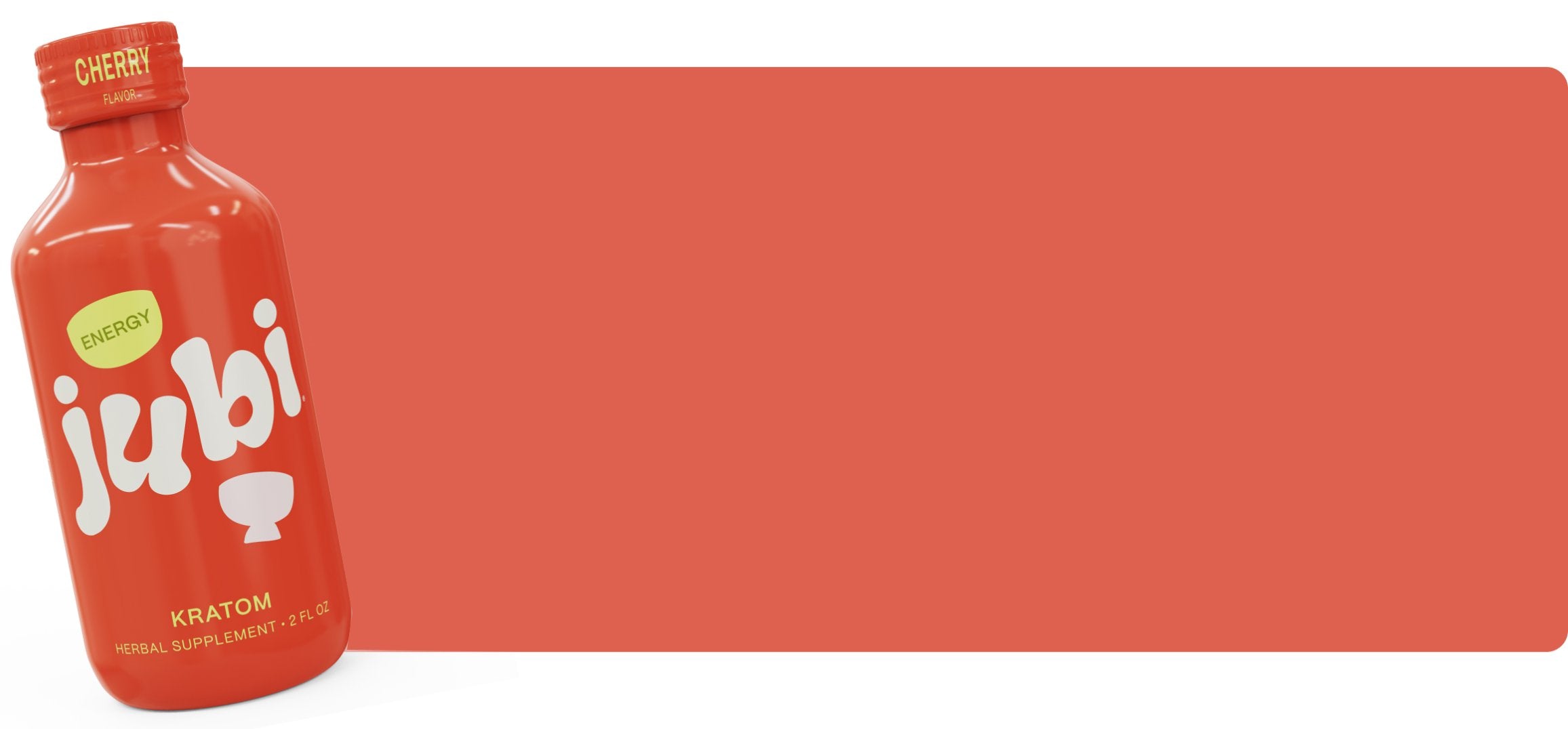
Jubi's Cherry Energy Shot and Lime Focus Shot - White Vein Kratom at effective doses, naturally flavored, third-party tested, clearly labeled with active compound content - meet the specific demands of this Gen Z segment: functional, transparent, clean-label, and genuinely effective.*
Adaptogens:
Ashwagandha lattes, Rhodiola beverages, and ginseng drinks have found significant Gen Z audiences specifically through the mental health and stress management lens that is central to this generation's wellness orientation. The narrative around adaptogens - plants that support the body's ability to manage stress through hormonal and nervous system mechanisms - resonates strongly with a generation whose primary wellness concern is stress and its downstream effects.
What Gen Z Wants From Beverage Brands
Understanding Gen Z's beverage values is most useful when translated into what they specifically want from the brands they buy.
Honest communication over polished marketing:
Gen Z is uniquely sensitive to the difference between authentic brand voice and marketing theater. They respond better to brands that communicate directly, acknowledge complexity, and treat them as intelligent adults than to brands that use aspirational lifestyle imagery and vague wellness claims. The brands winning with Gen Z are those whose communication style reflects genuine respect for consumer intelligence.
Jubi's approach - explaining what kratom and kava are and how they work, providing honest responsible use information, publishing lab results rather than just claiming quality - exemplifies the communication style that Gen Z responds to most positively.
Products that do what they claim:
Gen Z's first-purchase threshold is lower than older consumers' - they'll try something if it looks interesting and the ingredients check out. But their repeat purchase rate depends entirely on whether the product delivered what it promised. Functional beverages that produce genuine, noticeable effects build strong Gen Z loyalty. Those that rely on marketing language without functional substance lose this consumer quickly.
Community and belonging:
Gen Z is more likely to remain loyal to brands they feel part of as a community than those they simply consume. Brands that build genuine communities - through authentic social media engagement, education-first content, and honest conversation about the products they sell - earn the kind of Gen Z loyalty that sustains long-term growth.
Environmental and ethical alignment:
While not the primary driver of Gen Z's beverage choices, environmental and ethical considerations influence brand perception in ways that affect overall loyalty and advocacy. Clean manufacturing practices, responsible sourcing, transparent supply chains, and honest communication about safety and compliance all contribute to the brand trust that determines whether Gen Z consumers recommend a brand to their peers - which is ultimately the highest-value marketing channel this generation offers.
The Alcohol-Free Future Gen Z Is Building
Perhaps the most significant long-term implication of Gen Z's beverage behavior is for the alcohol industry.
Alcohol consumption among adults under 25 has declined dramatically over the past decade. This is not a temporary lifestyle phase that reverting to historical patterns will resolve - it is a genuine cultural shift driven by values that are stable and deepening rather than transitional.
The beverage experiences that Gen Z is seeking in place of alcohol are not just alternatives in the sense of substitutes for the alcoholic experience. They are often genuinely better experiences - socially functional, mentally beneficial, physically non-damaging, and free of the next-morning consequences that increasing numbers of Gen Z consumers have decided are simply not worth the trade.
Kava, in particular, is positioned as an extremely compelling alcohol alternative for Gen Z precisely because it addresses the specific social and psychological functions that alcohol provides - GABA-mediated anxiety reduction, mood elevation, social ease - through mechanisms that don't produce impairment, don't disrupt sleep, and don't carry alcohol's health costs.*
The kava bar movement - which has spread significantly across American cities and is growing internationally - is a direct product of Gen Z's alcohol-free cultural orientation. These establishments provide the social ritual of gathering around a shared beverage in a communal space without the alcohol that traditionally defined that space. For Gen Z, this isn't a compromise - it's a genuinely preferred alternative.
Jubi's kava products bring this kava bar experience into daily life at a price point and convenience level that makes it accessible as a routine rather than an occasion - which is exactly where the most durable behavioral changes occur.
What This Means for the Future
Gen Z is the largest generation in American history by population and is entering its peak consumer spending years through the late 2020s and 2030s. Their beverage preferences - established in adolescence and early adulthood with the strength of conviction that health values formed through genuine research and personal experience tend to have - will shape the beverage market for decades.
The brands building relationships with Gen Z consumers now, through genuine product quality and authentic transparent communication, are building the customer relationships that will define the beverage market of the 2030s.
The categories Gen Z is driving - botanical relaxation, functional cognition, adaptogen stress management, clean energy - are not niche segments waiting to be discovered. They are the mainstream of the beverage market as Gen Z's spending power fully enters the market.
The specific products within these categories that will lead that market are those that meet Gen Z's specific requirements: transparent formulation, third-party verified quality, genuine functional efficacy, honest communication, and the taste quality that makes consistent daily use genuinely enjoyable rather than a health compromise.
Jubi's product portfolio - built around premium botanical ingredients, clean-label formulation, third-party lab testing, clearly stated active compound content, and genuine flavor development that makes the products enjoyable to drink - is specifically aligned with what the generation reshaping the beverage market is looking for.*
What Gen Z Is Saying About Products Like Jubi's
The conversations happening in Gen Z-dominated platforms about botanical wellness beverages reflect exactly the values discussed in this guide:
Transparency is consistently praised. Products that clearly list what's in them - specific alkaloid content, kavalactone amounts, extraction methods - receive positive attention from consumers who've learned to be skeptical of vague wellness claims.
Genuine functional effects are discussed specifically. The conversations aren't "this felt kind of nice" - they're "I took 25mg of 7-OH and noticed X" or "the 60mg mitragynine focus shot made a clear difference in my afternoon work session." The specificity of Gen Z's functional beverage conversations reflects their higher baseline knowledge about what they're consuming.
Taste matters as much as function. Gen Z is not willing to sacrifice taste for health - they want both. The flavor development that makes Jubi's products genuinely enjoyable (cherry, lime, strawberry, piña colada, tropical fruit) is not superficial to their commercial success with this consumer. It's central to it.
Frequently Asked Questions
Why is Gen Z drinking less alcohol than previous generations? Multiple interacting factors: higher health literacy and awareness of alcohol's physiological costs, mental health awareness that includes understanding alcohol as a mood disruptor rather than purely a relaxant, the social media culture that makes intoxication less appealing from a self-presentation standpoint, and genuine availability of alternatives that address the social and mood functions alcohol provided.
Are Gen Z's health-conscious beverage choices sustainable or just a phase? The values driving Gen Z's beverage choices - transparency expectations, mental health consciousness, performance orientation - are stable and deepening rather than transitional. They reflect genuine knowledge-based values rather than passing trends. The behavior is likely to persist and strengthen as Gen Z ages.
What types of beverages are most aligned with Gen Z values? Functional botanicals (kava, kratom, Lion's Mane), probiotic beverages (kombucha), adaptogen drinks, clean-label functional waters, and non-alcoholic alternatives that provide genuine mood and social ease effects through botanical mechanisms.
How should brands communicate with Gen Z consumers? Transparently, specifically, and honestly. Gen Z responds better to direct communication about what products contain, how they work, and what limitations exist than to aspirational marketing that doesn't engage with the details they're already researching independently.
Are kratom and kava products appropriate for Gen Z consumers? Jubi's products are intended for adults 18 and older. Within that age range, kratom and kava products with transparent labeling, third-party testing, clear responsible use guidance, and honest communication about appropriate use are aligned with the informed, health-conscious approach that characterizes Gen Z's wellness orientation.
These statements have not been evaluated by the Food and Drug Administration. These products are not intended to diagnose, treat, cure, or prevent any disease. Not for sale to persons under the age of 18 or the legal age for kratom use in your state. Consult a healthcare provider before use if you are pregnant, nursing, have a serious medical condition, or take prescription medications. Do not combine kava or kratom with alcohol. Some products may be habit forming or lead to addiction. For the full warning statement, visit DrinkJubi.com.
Jubi does not ship to: Alabama, Arkansas, Indiana, Rhode Island, Vermont, Wisconsin, Sarasota County (FL), Union County (MS), Denver (CO), or San Diego (CA). Please verify local regulations before purchasing.