

The regulatory landscape around 7-hydroxymitragynine changed significantly in 2025. Here's what that means for anyone searching for 7OH products - and the specific checklist that separates a product worth considering from one that isn't.
The search "7OH near me" is landing in a very different regulatory environment in 2026 than it did twelve months ago. Between July and December 2025, the FDA issued warning letters to multiple companies, recommended scheduling 7-hydroxymitragynine (7-OH) as a Schedule I controlled substance, and physically seized approximately 73,000 units of 7-OH products from three Missouri firms. Florida enacted emergency rules requiring disclosure of 7-OH content. Hawaii's Department of Health issued a public warning calling it "an emerging public health threat."
Anyone searching for 7OH products right now deserves a clear, honest account of what's happening - what 7-OH actually is, why it's under regulatory scrutiny, what the distinction between concentrated 7-OH and natural kratom means practically, and what to check before buying anything in this category.
What 7-Hydroxymitragynine Actually Is
The distinction between natural kratom and concentrated 7-OH is the most important thing to understand before evaluating any product in this category - and it's the distinction the FDA has been at pains to make clearly in all of its 2025 communications.
7-OH is a naturally occurring alkaloid in the kratom plant, but only a minor constituent that comprises less than 2% of the total alkaloid content in natural kratom leaves. In its natural trace-quantity state, 7-OH is part of the balanced alkaloid profile that gives whole-plant kratom its effect character. The problem that has triggered regulatory action is something different: the US has seen an increase in public kratom adulteration with synthetic 7-OH in the past decade, raising concerns regarding the risks of abuse, dependence, and toxicity of these products.
The FDA is specifically targeting 7-OH as a concentrated byproduct of the kratom plant - it is not focused on natural kratom leaf products. That's a meaningful practical distinction, because the two categories carry meaningfully different risk profiles. Traditional kratom leaf contains balanced alkaloid profiles that may provide natural checks against excessive consumption - concentrated products eliminate these natural safeguards while dramatically increasing potency.
How potent? The Hawaii Department of Health's public warning put it plainly: the compound 7-OH is estimated to be 10 times more potent than morphine, acts on opioid receptors in the brain, and may carry many of the same risks associated with other opioid products.
The 2025 Regulatory Timeline: What Actually Happened
This is worth documenting precisely because the pace of regulatory change in the second half of 2025 was significant, and the market hasn't fully caught up.
On July 29, 2025, the FDA recommended that concentrated 7-OH products be classified as Schedule I under the Controlled Substances Act, citing high potential for abuse and lack of approved medical use. FDA warning letters were issued to companies marketing unlawful 7-OH supplements, tablets, gummies, and beverages. Florida enacted emergency rules banning concentrated 7-OH and requiring disclosure of its content in kratom products.
The warning letters cited specific documented harms. In June 2025, the FDA sent a warning letter flagging reports that linked 7-OH to respiratory depression, seizures, liver toxicity, and fatalities - severe adverse events occurring across various product formulations including tablets, beverages, and drink mixes.
The action escalated further. In December 2025, the FDA seized approximately 73,000 units of 7-OH products worth around $1 million from three firms in Missouri - including liquid shots and tablets containing concentrated 7-OH as an added ingredient.
As of mid-2026, the DEA has not yet finalized scheduling, but the FDA cannot schedule 7-OH on its own - it made an official request to the DEA, which will review the request and likely hear public comments before making its final decision. The legal status of concentrated 7-OH products remains in a regulatory transition period - legal at the federal level pending DEA action, banned or restricted at the state level in several states, and subject to ongoing enforcement action from the FDA regardless of formal scheduling status.
Why This Matters Practically for Anyone Searching "7OH Near Me"
The regulatory picture above has a direct practical implication: the 7OH products most likely to appear in local smoke shops, vape stores, and gas stations are precisely the concentrated, artificially-enriched products under the most scrutiny - not because local retailers are deliberately stocking dangerous products, but because the category's retail infrastructure hasn't caught up with the quality and transparency standards that the regulatory environment is now demanding.
Products containing 7-OH are increasingly being sold in smoke shops, vape stores, convenience stores, and online, commonly marketed as gummies, tablets, drink shots, and flavored products. The Hawaii DOH warning specifically flagged that these products "may mislead consumers into believing they are natural or safe" - meaning the marketing framing ("natural," "herbal," "botanical") doesn't necessarily correspond to the actual alkaloid concentration and processing involved.
The FDA's position clarifies that potency is key in determining consumer safety and legal compliance, with concentrated 7-OH products failing to meet safety standards for food additives, dietary supplements, or approved pharmaceuticals. That framing matters: it's not that 7-OH as a category is being banned outright, but that concentrated, artificially-elevated 7-OH - the kind found in many gas-station shots and unlicensed online vendors - is the specific target of regulatory action.
The Checklist: What to Verify Before Buying Any 7OH Product
Given this landscape, the due diligence required before purchasing anything marketed as 7-OH or "enhanced kratom" is more rigorous than for standard mitragynine-based kratom products.
1. Is the 7-OH naturally occurring (trace) or concentrated/added?
This is the threshold question. A product containing kratom extract where 7-OH appears in its naturally occurring trace proportion (less than 2% of total alkaloids) is categorically different from a product where 7-OH has been concentrated, isolated, or synthetically produced and added back. The FDA action targets the latter. Ask directly: is the 7-OH content in this product naturally occurring from the whole kratom extract, or is it an added concentrate?
2. What does the COA actually show?
A Certificate of Analysis from an independent third-party lab should disclose the specific mitragynine and 7-OH content per serving in milligrams. Reputable brands in 2026 use QR codes on every package linking directly to batch-specific lab results - not generic representative samples. If a product's COA doesn't specify 7-OH content, that's a significant gap. If the 7-OH level is disproportionately high relative to mitragynine - well above the natural less-than-2% ratio - that's a flag worth taking seriously.
3. Is the manufacturer GMP-compliant and FDA-registered?
The FDA warning letters and seizure actions in 2025 targeted companies specifically not operating under recognized quality standards. A GMP-compliant, FDA-registered US manufacturer has undergone facility-level review that gas-station distributors have not. This doesn't guarantee safety in itself, but it's the baseline manufacturing transparency that distinguishes accountable brands from unaccountable ones.
4. What state are you in?
State-level 7-OH restrictions moved quickly in 2025 and continue to evolve in 2026. Florida enacted emergency rules specifically targeting concentrated 7-OH. Several states have broader kratom bans that cover 7-OH as a kratom alkaloid regardless of concentration. The American Kratom Association's state-by-state legal guide is the most reliable current reference - worth checking before purchasing rather than assuming local retail availability implies legal status.
5. Is it being marketed with opioid-adjacent language?
Products marketed as "legal highs," "enhanced kratom," or using potency-first marketing language are specifically the category the Hawaii DOH warning flagged. That marketing framing is a useful signal - not definitive, but worth noting as context for how the vendor positions the product relative to consumer safety.
Where Jubi's 7OH Product Fits in This Landscape
Jubi's 7OH Extract Shots and Single Pack Trial ($5.95) are positioned explicitly for experienced kratom users - not as a first-time or casual-use product. This positioning matters in the current regulatory context because it reflects the kind of honest, audience-specific framing that responsible vendors in this category are applying as the regulatory environment clarifies.
Jubi's manufacturing is GMP-compliant and US-based, with third-party lab testing. The product is clearly labeled with mitragynine and 7-OH content per serving rather than burying these figures in fine print. And Jubi is not in the business of marketing its 7-OH products with opioid-adjacent language or potency-as-primary-appeal framing - the product is positioned as a quality step-up for experienced kratom users looking for better flavor and consistency, not as a "stronger high" product.
That said, the same due diligence checklist above applies to Jubi's 7OH products as to any other. Verify the COA, understand the dose you're taking, don't combine with alcohol or other CNS-active substances, and consult a healthcare provider if you're on prescription medications. The Jubi FAQ page covers product-specific guidance. For the broader Jubi product range including standard mitragynine-based energy and focus products that don't carry the same regulatory complexity as concentrated 7-OH, see the full lineup.
If You're New to Kratom: Start Here Instead
The honest recommendation for anyone new to kratom who found this page through a "7OH near me" search is to start with standard mitragynine-based products rather than concentrated 7-OH. The regulatory action targeting 7-OH specifically is not targeting standard kratom - the FDA has been explicit that its 2025 actions are focused on concentrated 7-OH as a distinct category from natural kratom leaf products.
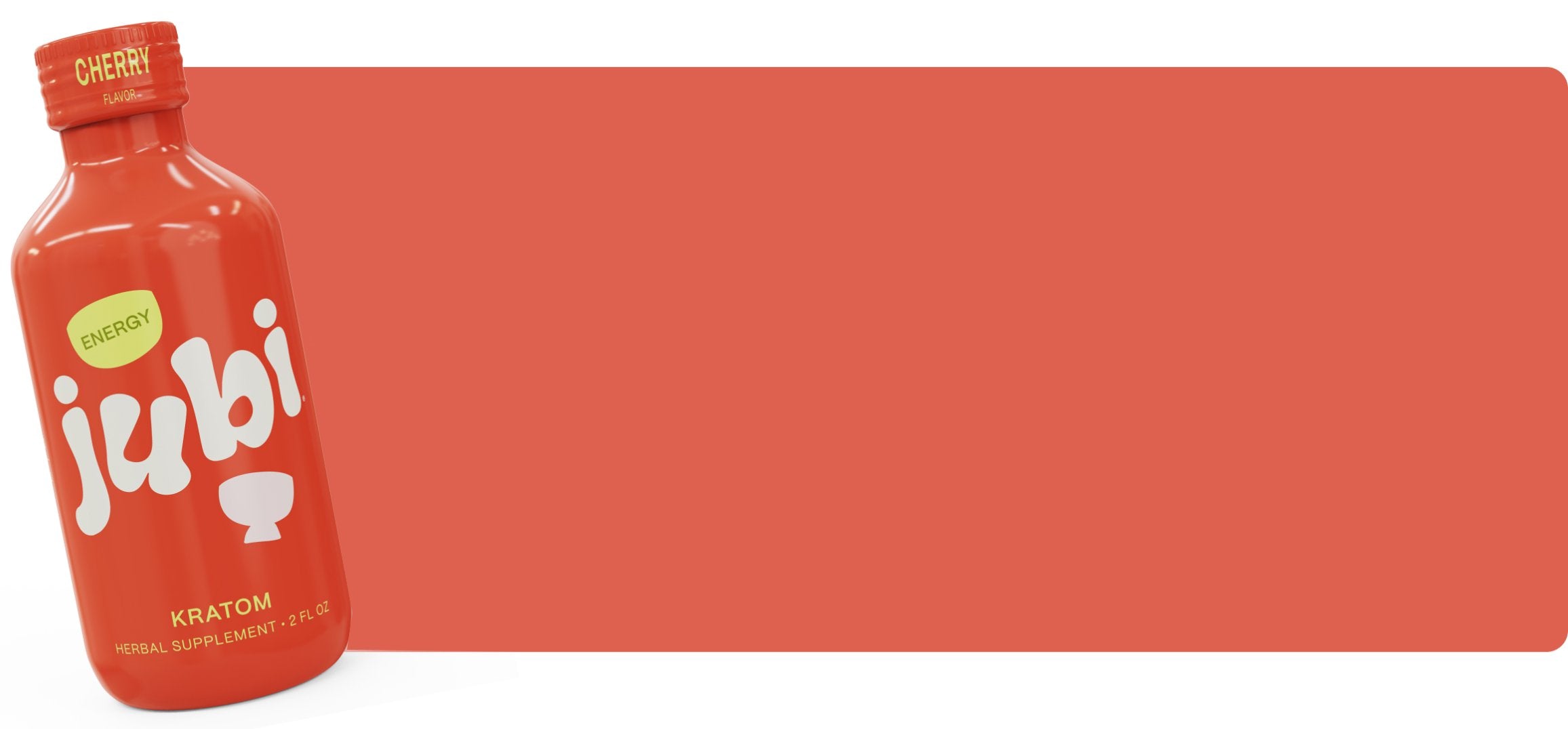
For energy and focus, the Cherry Energy Shot (50mg mitragynine) is the most accessible starting point. The Lime Focus Shot (60-120mg mitragynine) and Kratom Stick Packs provide higher-dose mitragynine-based energy and focus without the concentrated 7-OH risk profile. How to evaluate and match these products to specific needs is covered in Energy, Focus, or Relaxation: Finding Your Perfect Match and Searching for Kratom Near Me? Here's What to Look For.
Frequently Asked Questions
Is 7-OH legal to buy in 2026? At the federal level, the DEA has not yet finalized scheduling following the FDA's July 2025 recommendation. However, concentrated 7-OH products are subject to ongoing FDA enforcement action, and several states have enacted their own restrictions. Always verify your specific state and local regulations before purchasing.
What's the difference between 7-OH in natural kratom and concentrated 7-OH products? Natural kratom leaf contains 7-OH in trace amounts - less than 2% of total alkaloids - as part of a balanced whole-plant profile. Concentrated 7-OH products isolate or synthetically produce this alkaloid and add it back at significantly higher levels, eliminating the natural alkaloid balance that may moderate effects and risks.
Why is 7-OH getting more regulatory attention than regular kratom? The FDA's 2025 actions specifically targeted concentrated 7-OH because of its potent opioid receptor activity and its distinction from whole-plant kratom. The agency has been explicit that its actions are not focused on natural kratom leaf.
What adverse events have been linked to concentrated 7-OH? The FDA's warning letters cited reports of respiratory depression, seizures, liver toxicity, and fatalities linked to concentrated 7-OH products - primarily tablets, beverages, and drink mixes.
Should someone experienced with kratom be concerned about Jubi's 7OH product? Jubi's 7OH product is manufactured to GMP standards with published third-party lab results. As with any kratom product, it should not be combined with alcohol or other CNS-active substances, and healthcare provider consultation is advisable for anyone on prescription medications. It is intended for experienced kratom users, not first-timers.
These statements have not been evaluated by the Food and Drug Administration. These products are not intended to diagnose, treat, cure, or prevent any disease. Not for sale to persons under the age of 18 or the legal age for kratom use in your state. Consult a healthcare provider before use if you are pregnant, nursing, have a serious medical condition, or take prescription medications. Do not combine kava or kratom with alcohol. Some products may be habit forming or lead to addiction. For the full warning statement, visit DrinkJubi.com.
Jubi does not ship to: Alabama, Arkansas, Indiana, Louisiana, Vermont, Wisconsin, Sarasota County (FL), Union County (MS), Suffolk County (NY), Denver (CO), San Diego (CA), Oceanside (CA), or Washington D.C. Please verify current local regulations before purchasing, as the legal landscape for 7-OH products specifically is changing rapidly.




3 comments
https://members5.boardhost.com/rbfoltz1/msg/1789238865.html
al hoceima car rental
car rental almaty