
Search for MIT-9 tablets online and you may come across different product descriptions, potency claims, and ingredient labels. Some listings emphasize mitragynine content, while others focus on tablet strength, extract concentration, or the number of tablets in a package. Understanding these differences is important when comparing products.
MIT generally refers to mitragynine, one of the principal alkaloids found in the kratom plant (Mitragyna speciosa). However, the term MIT-9 does not have one universally established scientific definition that guarantees a particular ingredient list, concentration, or manufacturing process. The exact meaning depends on how an individual manufacturer uses the name.
This guide explains the terminology behind MIT-9 tablets, the ingredients and measurements that may appear on product labels, the main types of mitragynine-related tablet formulations, and the quality information worth examining before making comparisons.
What Are MIT-9 Tablets?
MIT-9 tablets are a product-label term that requires context from the manufacturer. The name alone does not establish whether a tablet contains ordinary kratom leaf material, a concentrated kratom extract, standardized mitragynine, or another formulation.
The first step is to distinguish the product name from its disclosed composition.
MIT is commonly used as an abbreviation for mitragynine in product descriptions and laboratory reports. Mitragynine occurs naturally in kratom leaves and is one of the plant's best-known alkaloids. The abbreviation helps identify the compound being measured, particularly when a product's laboratory report lists its concentration.
The number “9” in MIT-9 should not automatically be interpreted as 9 mg of mitragynine, 9% concentration, nine ingredients, or a specific formulation. That interpretation requires an explicit explanation from the manufacturer.
For additional background, read What Does MIT Mean in Kratom Products?.
Why the Product Label Matters
Two products with similar names can contain different ingredients and concentrations. One might be made using powdered kratom leaf, while another could contain a concentrated extract.
When evaluating an MIT-9 listing, look for the following details:
- Active ingredient: Whether the product identifies mitragynine, whole-leaf kratom, an extract, or another alkaloid.
- Amount per tablet: The stated quantity of the relevant ingredient in each tablet.
- Concentration: Whether a percentage describes the extract itself or the amount of mitragynine in the finished product.
- Other ingredients: Binders, tablet-forming agents, flavorings, sweeteners, or other disclosed components.
- Laboratory verification: Whether a batch-specific Certificate of Analysis (COA) supports the stated composition.
These details provide a more meaningful basis for comparing products than a name or marketing claim alone.
Understanding the Ingredients and Composition of MIT-9 Tablets
The composition of a tablet depends on its actual formulation. Without a manufacturer-provided ingredient list or verified laboratory report for a specific MIT-9 product, it would be inaccurate to present one fixed formula as universal.
Nevertheless, several ingredient categories and measurements are useful to understand.
1. Mitragynine
Mitragynine is a naturally occurring alkaloid in Mitragyna speciosa. It is a major focus of kratom product analysis and may be reported as a percentage of the sample or as a quantity in milligrams.
These two measurements are not interchangeable without knowing the sample weight and what the percentage represents.
For example, an extract described as containing 80% mitragynine is not the same thing as a finished tablet containing 80 mg of mitragynine. The first figure describes a concentration by weight; the second describes an absolute amount.
A product label should make this distinction clear.
2. Kratom Leaf Powder or Extract
Some kratom products contain ground leaf material, while others use extracts made by processing the plant material.
Kratom leaf powder contains a mixture of naturally occurring plant compounds. Its mitragynine concentration can vary with the source material, growing conditions, and processing.
Kratom extract is produced by separating and concentrating certain constituents from plant material. The concentration depends on the extraction and manufacturing process, so the word “extract” alone does not establish its strength.
A tablet made from leaf powder and one made with a concentrated extract should not be assumed to have the same composition simply because both are marketed as MIT products.
3. Other Naturally Occurring Alkaloids
Kratom contains multiple alkaloids in addition to mitragynine. One of the most discussed is 7-hydroxymitragynine, commonly abbreviated as 7-OH.
Its presence and concentration are important distinctions when examining kratom-related products. Naturally occurring kratom leaf and products containing concentrated or enhanced 7-OH are not equivalent categories.
The U.S. Food and Drug Administration has specifically warned consumers about concentrated 7-OH products because of their potential for serious harm. See the FDA's guidance on products containing 7-OH.
A product's name, color, or general description is not sufficient to establish its alkaloid profile. Laboratory documentation is more informative.
4. Tablet Excipients and Supporting Ingredients
Tablets may also contain ingredients that help hold the tablet together, maintain its shape, improve manufacturing consistency, or provide flavor.
Depending on the formulation, these may include binders, fillers, disintegrants, lubricants, sweeteners, or flavoring agents.
These are general categories used in tablet manufacturing, not a confirmed ingredient list for every MIT-9 product. The actual ingredients should be checked against the product's packaging and manufacturer documentation.
5. Milligram Content and Concentration
One of the most common sources of confusion is the difference between total tablet weight, extract weight, and active alkaloid content.
Consider the following hypothetical example:
|
Label information |
What it describes |
|
300 mg extract |
The stated amount of extract |
|
80% mitragynine extract |
The stated mitragynine concentration of that extract |
|
240 mg mitragynine |
The calculated amount if 300 mg of extract is genuinely 80% mitragynine by weight |
|
300 mg total tablet weight |
The weight of the entire tablet, which may include other ingredients |
The 240 mg figure is a mathematical illustration, not a claim about an MIT-9 product. Actual composition must be established from reliable product specifications and testing.
For more context on tablet formulations, see MIT Tablets Explained: Everything You Need to Know.
Common Types of MIT and Kratom-Related Tablets
The term MIT-9 should not be treated as a standardized category of tablet. Products associated with mitragynine and kratom are sold in several formats, and their formulations can differ substantially.
The following comparison describes broad product categories rather than verified MIT-9 variants.
1. Kratom Leaf Powder Tablets
These products use powdered kratom leaf in a compressed tablet or similar solid format.
Their alkaloid content depends on the plant material and manufacturing process. Unless the product has been standardized and tested, the tablet's total weight does not reveal the precise amount of mitragynine it contains.
2. Kratom Extract Tablets
Extract tablets contain processed kratom extract rather than relying exclusively on ground leaf material.
Product descriptions may state the amount of extract per tablet, the extract concentration, or both. These figures should be read carefully because extract weight does not automatically equal mitragynine weight.
3. Standardized Mitragynine Tablets
A standardized product is intended to provide a specified quantity or concentration of a particular constituent.
For mitragynine-related products, a useful label should identify the claimed amount clearly and provide appropriate analytical evidence. Standardization claims should not be accepted solely because the product name includes a number or the word “standardized.”
4. Chewable Tablets
Chewable products are formulated to be chewed rather than swallowed intact. They may contain flavoring agents and other ingredients to make the format more convenient.
Chewable describes the delivery format, not the active ingredient. A chewable kratom tablet, a mitragynine extract tablet, and a 7-OH tablet can represent different formulations with different risk profiles.
5. 7-OH Tablets
These products contain or are marketed around 7-hydroxymitragynine rather than mitragynine alone.
They should not be grouped automatically with conventional kratom leaf products or assumed to have equivalent effects and safety profiles. The FDA advises consumers to avoid products containing concentrated 7-OH because of serious safety concerns.
A clear ingredient declaration is especially important when a product uses terms such as “advanced,” “enhanced,” or “high potency.”
MIT-9 Tablets vs. Other Kratom Product Formats
Tablets are only one format used for kratom-related products. Powder, capsules, and ready-to-drink products have different labeling and composition considerations.
|
Product format |
What the label may report |
Main comparison point |
|
Leaf powder |
Powder weight and sometimes mitragynine percentage |
Natural material can vary by batch |
|
Kratom capsules |
Powder weight per capsule |
Capsule weight does not establish alkaloid content |
|
Extract tablets |
Extract weight and possibly active compound content |
Extract concentration needs clarification |
|
Standardized tablets |
Stated amount of a specified alkaloid |
The claim should be supported by testing |
|
Ready-to-drink shots |
Ingredient quantity per bottle or serving |
Check the amount per serving and the full ingredient declaration |
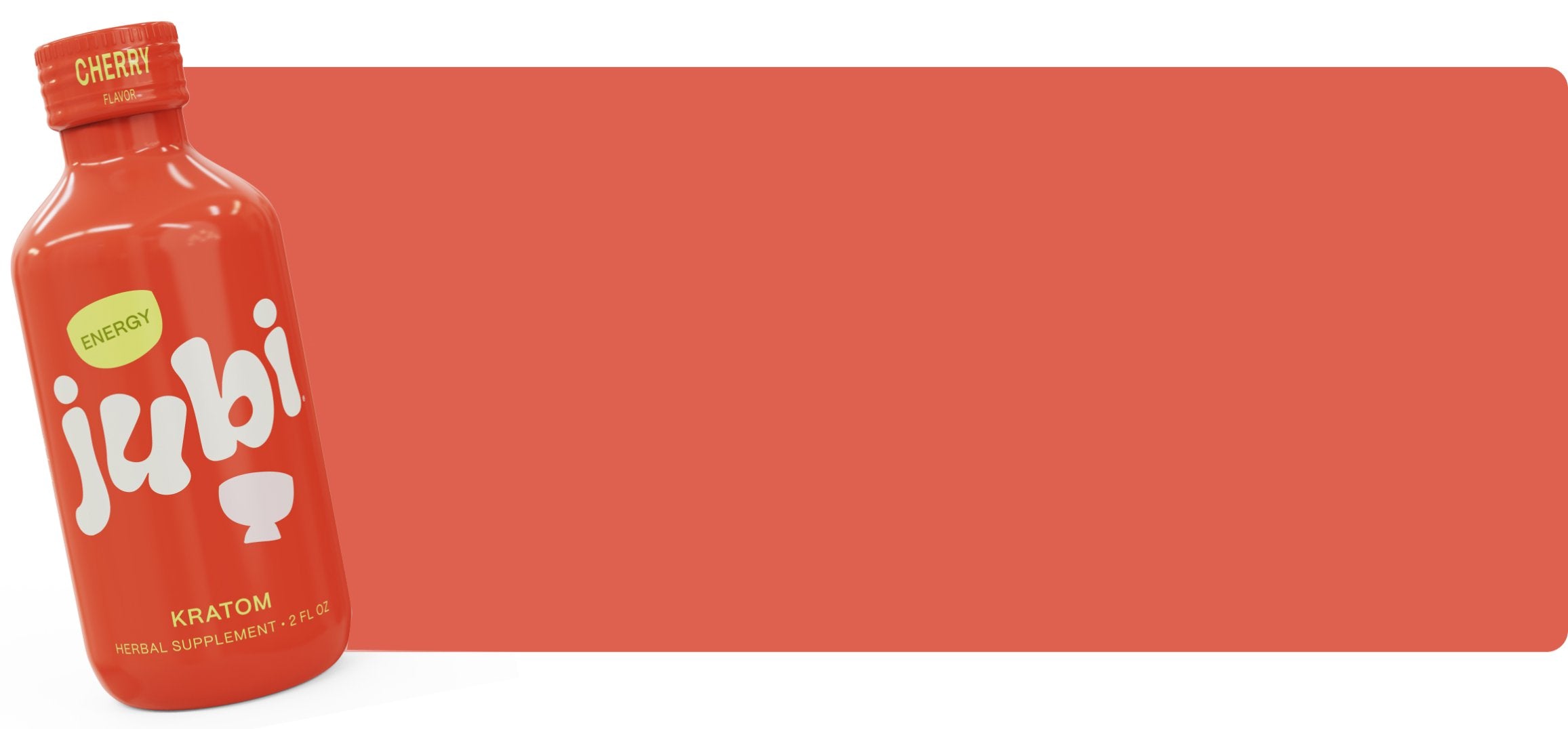
DrinkJubi offers several kratom formats, including kratom powder and capsule products. Its product listings illustrate why format, ingredient identity, and stated quantity should be considered separately.
No format should be assumed to be safer or more effective simply because it is easier to carry or has a more precise-looking label.
How to Evaluate the Quality of an MIT-9 Tablet Product
When comparing products, prioritize verifiable information over phrases such as “premium,” “maximum strength,” or “advanced formula.”
Check the Complete Ingredient List
The label should identify the active ingredients and disclose other ingredients. If the manufacturer does not clarify what MIT-9 means, request an explanation rather than guessing from the product name.
Look for a Batch-Specific Certificate of Analysis
A COA is a laboratory report documenting the results of tests performed on a sample. Depending on the product, relevant information may include:
- Mitragynine concentration or quantity.
- 7-OH content, where applicable.
- Heavy-metal testing.
- Microbial testing.
- The sample or batch identification and testing date.
The report should correspond to the product batch being evaluated. A generic laboratory report or an unrelated certificate does not establish the composition of a particular package.
Distinguish Extract Content from Active Ingredient Content
A label that states the total extract weight does not necessarily tell you how much mitragynine the tablet contains. Similarly, a concentration percentage must be interpreted in relation to the material it describes.
Look for clear units, an explicit serving definition, and supporting analytical data.
Review Manufacturing and Traceability Information
Manufacturer details, batch numbers, expiration or best-before information where applicable, and clear contact information help establish traceability.
Manufacturing claims should be independently verifiable wherever possible. A professional-looking package is not proof of product quality.
Check Current Laws and Official Safety Guidance
Kratom-related laws differ by jurisdiction, and product classifications can affect whether a product may legally be sold. Before considering any product, review current local requirements and relevant official guidance.
The FDA's overview of kratom and its safety concerns provides additional background on the agency's position and reported risks.
Safety Considerations for MIT-9 Tablets
Kratom-related products are not risk-free. The risks depend on the substance, concentration, formulation, individual circumstances, and possible interactions with other substances.
The FDA has warned about serious adverse events associated with kratom, including liver toxicity, seizures, and substance-use disorders. Concentrated 7-OH products raise additional concerns and should not be assumed equivalent to traditional kratom leaf.
Keep the following points in mind:
- Do not assume that a product is safe because it is plant-derived or sold online.
- Do not infer an appropriate serving or safety profile from the MIT-9 name alone.
- Avoid combining kratom-related products with alcohol, opioids, sedatives, or other substances that may increase risk.
- Consult a qualified healthcare professional before use, particularly if you take medication or have an existing medical condition.
- Keep these products away from children and follow applicable legal restrictions.
No MIT-9 product should be presented as an established treatment for a medical condition without appropriate evidence and regulatory authorization.
Frequently Asked Questions
What does MIT-9 mean on a tablet label?
MIT commonly refers to mitragynine, an alkaloid found in kratom. However, MIT-9 does not have one universally accepted scientific meaning that establishes a specific composition or strength. The manufacturer must clarify what the complete product name represents.
What ingredients are in MIT-9 tablets?
There is no single ingredient list that can be confirmed for every product using this name. Depending on the formulation, a tablet may contain kratom leaf material, extract, specified alkaloids, and supporting ingredients such as binders or flavorings. Check the actual label and relevant laboratory report.
Does MIT-9 mean 9 mg of mitragynine?
Not necessarily. The number in a product name should not be interpreted as a milligram quantity or percentage without explicit manufacturer documentation.
Are MIT-9 tablets the same as kratom extract tablets?
Not automatically. MIT-9 is a product-label term, whereas kratom extract tablets describe a formulation category. A specific product may fall into that category, but its ingredients and concentration must be verified.
What is the difference between mitragynine and 7-OH?
Mitragynine and 7-hydroxymitragynine are distinct kratom-related alkaloids. Concentrated 7-OH products have a different risk profile from conventional kratom leaf products. The FDA warns consumers against using products containing concentrated 7-OH.
How can you verify the composition of a tablet?
Start with the complete ingredient label and manufacturer specifications. Then look for a batch-specific COA that identifies the sample and reports relevant alkaloid measurements and contaminant testing. If the documentation does not substantiate the label, the composition remains uncertain.
Are all MIT tablets made with the same formula?
No. Products may differ in source material, extract concentration, tablet weight, excipients, and measured alkaloid content. Similar names or packaging do not guarantee equivalent formulations.
Where can you learn more about MIT products?
For further reading, explore DrinkJubi's MIT tablets guide, guide to MIT terminology, and product collection.
The Bottom Line
MIT-9 tablets are best understood by examining the specific product behind the name. MIT commonly refers to mitragynine, but the “9” does not establish a standardized concentration, ingredient list, or tablet formulation.
The most useful comparison points are the disclosed ingredients, the distinction between extract weight and active alkaloid content, batch-specific laboratory testing, and the manufacturer's traceability information. It is equally important to distinguish mitragynine-related products from concentrated 7-OH formulations, which have separate and serious safety concerns.
Rather than relying on a product name or potency claim, use verifiable documentation to understand what a tablet contains. Where the composition is unclear, the responsible conclusion is that more information is needed.
Disclaimer: This article is for informational and educational purposes only and is not medical advice. Kratom and its alkaloids may pose significant health risks, and the FDA has not approved kratom products to treat any medical condition. Check current laws in your jurisdiction and consult a qualified healthcare professional about health-related questions.