
An honest breakdown of the variables that actually separate premium kratom from generic - sourcing, processing, testing, manufacturing, and format - and how to verify each one before buying.
The word "premium" appears on more kratom products than any other quality claim in the category. It appears on gas station shots sitting under fluorescent lights with no COA in sight. It appears on smoke shop powders with undisclosed mitragynine percentages. It appears on online products from vendors who ran one batch test two years ago and have been coasting on it since.
"Premium" in the kratom market is a marketing claim so overused it has become nearly meaningless - which is precisely why understanding what it should mean, and how to verify whether a specific product actually meets that standard, is worth the time this guide takes to cover properly.
The short version: premium kratom is not a price point, a brand aesthetic, or a strain name. It is a verifiable set of practices across five distinct stages - sourcing, harvesting, processing, testing, and manufacturing - each of which has a measurable impact on the mitragynine content, safety profile, and consistency of the product you consume. Every one of those stages can be verified, and every premium brand worth the label will welcome the verification rather than resist it.

Stage 1: Sourcing - Where the Leaf Comes From
Premium kratom comes from mature trees harvested by experienced farmers who understand optimal timing and selection. Wild-harvested leaves often contain superior alkaloid profiles compared to mass-produced plantation varieties. Quality-focused vendors maintain direct relationships with their suppliers in Southeast Asia. They can tell you specifically which regions their kratom comes from and why those areas produce superior leaves. Vendors with strong sourcing ethics will share this information proudly.
Most kratom sold in the US originates from Indonesia - specifically from Borneo, Sumatra, and surrounding islands where Mitragyna speciosa has been cultivated and harvested for generations. The regional origin is less important than the vendor relationship with the specific farm or cooperative. Most kratom vendors source their leaf from the same handful of Indonesian farmers. What separates the highest quality kratom from the rest is not the farm - it's whether the vendor tests every batch, publishes the results, and stands behind what they sell.
Direct farm sourcing is a positive indicator for one specific reason: it gives the vendor visibility into harvesting practices, drying conditions, and initial processing steps that determine alkaloid integrity before the leaf ever reaches a US facility. A vendor who buys from a distributor three steps removed from the farm has no meaningful ability to verify the pre-import handling that shapes the product they're selling.
The 2025 acquisition by Kraken Kratom of an Indonesian processing cooperative is an example of the vertical integration trend that the most quality-focused operators are pursuing - direct control over harvesting, drying, and initial processing before product reaches US facilities, combining Indonesian-grown leaf with US quality controls. Not every premium vendor needs to own a farm to be genuinely premium, but the ability to answer specific questions about where the leaf came from and how it was handled at origin is a baseline transparency marker.
Stage 2: Harvesting and Processing - Where Most Quality Loss Happens
The way kratom is processed after harvesting significantly impacts its final quality. Traditional processing involves careful drying away from direct sunlight to preserve alkaloid content. This method takes longer but maintains the plant's natural properties. Industrial processing techniques that prioritise speed over quality often damage alkaloids and introduce contamination risks.
This is the stage most consumers never think to ask about - and the stage where the quality difference between a 0.9% MIT batch and a 1.8% MIT batch is most often determined. Alkaloids are sensitive compounds. Exposure to excessive heat, UV light, oxygen, and moisture during drying and processing degrades them progressively. A leaf harvested at peak alkaloid content from a premium farm can arrive at its destination as a mediocre product if the drying and storage conditions between harvest and shipment weren't controlled.
The specific practices that premium processing includes: drying in shaded, temperature-controlled environments rather than open-air sun exposure; vacuum-sealing at source to prevent oxidation during transit; maintaining cold chain or controlled-humidity storage through the import and domestic warehousing stages. None of these are visible on a label - which is why the vendor relationship and sourcing transparency discussed above are the only ways to evaluate them before purchase.
For ready-to-drink kratom products, the extraction method at this stage adds an additional quality variable. Jubi's cold-water extraction process - covered in detail in Jubi Review: What Makes This Functional Beverage Different? - preserves the alkaloid profile without the heat-driven degradation that hot-water extraction produces, addressing the processing quality concern at the extraction level rather than relying solely on raw leaf quality.
Stage 3: Testing - The Only Variable That's Directly Verifiable
Third-party testing remains one of the strongest indicators of product quality. Brands that do not provide testing information should be approached with caution.
This is the stage where premium claims become verifiable - and where the gap between genuine premium and premium-labeled generic is most visible. The testing standard that the best vendors in the category now meet is specific:
Batch-specific COA from an ISO 17025-accredited independent lab - accessible via QR code on the specific packaging, linked to the lot number of the product you're holding. Not a representative test from a previous batch, not an in-house test, not a test conducted without ISO accreditation. The accreditation matters because it governs the testing methodology's accuracy and reproducibility - the difference between HPLC-confirmed alkaloid content and colorimetric estimates that can differ from HPLC results by 20–30%.
Full-panel testing covering: mitragynine percentage (the primary quality metric), 7-hydroxymitragynine content (essential for identifying undisclosed 7-OH enrichment), heavy metals (lead, arsenic, cadmium, mercury - a real contamination risk given kratom's origin in agricultural soils), microbial contamination (Salmonella and E. coli specifically - documented risks linked to poor post-harvest handling), and in some cases pesticide residues and solvent residuals for extract products.
The science behind kratom quality involves multiple verification stages. Research shows that contamination risks and alkaloid variability pose the primary safety concerns. The AKA GMP Standards Program requires: facility inspections via independent audits of processing environments; documentation protocols for batch tracking from harvest to distribution; contamination controls covering sanitation procedures and equipment maintenance; and quality assurance through standard operating procedures for consistency.
Avoid "premium" upcharges unless the COA shows meaningfully higher alkaloid content. Costs more doesn't always mean better. But suspiciously cheap kratom - under $10 per 100g - often reflects skipped testing or low-quality sourcing. A mid-range price from a tested vendor is the sweet spot.
Stage 4: Manufacturing - What GMP Certification Actually Governs
AKA GMP certification is the most commonly cited quality signal in kratom - and it's meaningful precisely because of what the certification requires rather than just what it implies. The AKA's GMP Standards Program is not a self-reported checklist. It requires annual third-party facility audits covering: processing environment hygiene, equipment maintenance records, batch documentation from raw material receipt through finished product release, contamination prevention procedures, and standard operating procedures for every step of production.
What GMP certification specifically adds beyond testing alone: it governs consistency across batches rather than just quality in one batch. A single impressive COA from a vendor without GMP certification tells you that one batch was tested. GMP certification from an audited facility tells you that the processes producing every batch are operating under standards designed to produce consistent results. For ready-to-drink products specifically - where fill weight consistency per serving is what makes the milligrams-per-serving claim on the label accurate across the production run - GMP tablet and liquid manufacturing standards are the mechanism behind dose precision.
The best kratom brands in 2026 distinguish themselves through GMP compliance, transparent sourcing, and clear product labeling - with GMP specifically covering the manufacturing-stage consistency that batch testing alone doesn't guarantee.
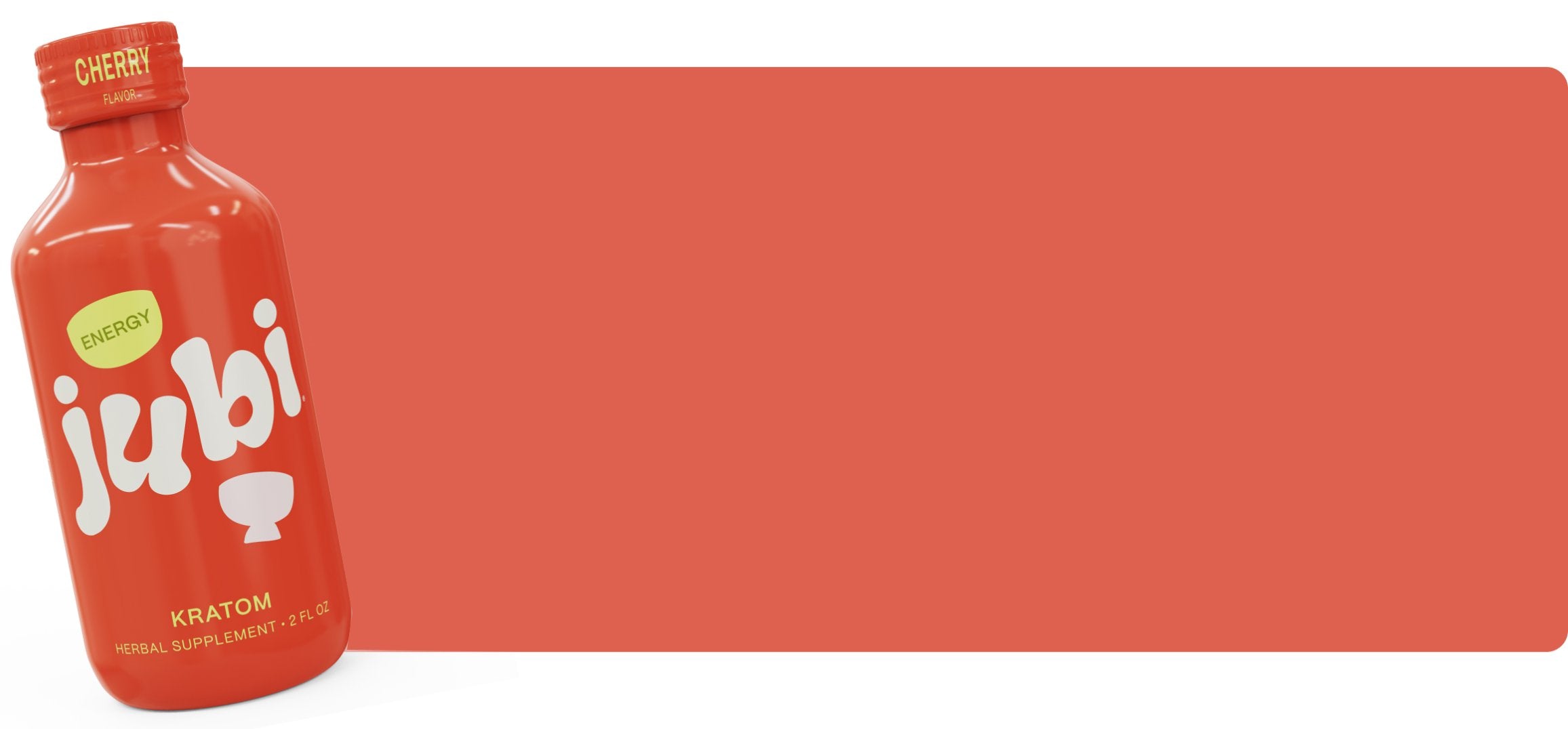
For Jubi's products, GMP-compliant US manufacturing applies to both the extraction process and the finished product - meaning the 50mg of mitragynine stated on the Cherry Energy Shot label, the 60–120mg on the Lime Focus Shot, and the 120mg on the Kratom Stick Packs reflect manufacturing controls that apply to the production run, not just the individual batch test.
Stage 5: Format - Where Premium Quality Either Reaches the Consumer or Doesn't
The most thoroughly sourced, processed, tested, and manufactured kratom in the world can still fail the consumer at the format stage - through storage degradation, inconsistent dosing, or palatability problems that prevent the product from being consumed as intended.
Storage and shelf life are the format variable most commonly ignored in the premium discussion. Heat and moisture can degrade alkaloids over time. Kratom should be stored away from direct sunlight and humidity. Exposure to air can gradually reduce product freshness. A premium powder product stored correctly maintains its alkaloid profile; the same product sitting in a gas station under fluorescent lighting for an unknown period does not. The packaging matters: vacuum-sealed, UV-protective, moisture-barrier packaging is a premium indicator; open-jar or loosely sealed powder packaging is not.
Dosing consistency is the format variable the ready-to-drink category specifically addresses. Premium powder requires knowing the batch's MIT percentage and calculating the gram weight for a target milligram dose - a process most consumers don't perform, producing inconsistent effective doses across sessions even from the same bag. Ready-to-drink shots and stick packs standardise the milligram-per-serving variable at manufacture, removing the calculation error from the equation. As covered in MIT Tablets Explained: Everything You Need to Know, this format precision is what makes per-session dosing reliably repeatable rather than approximately consistent.
Palatability is the format quality most directly addressed by Jubi's cold-water extraction. The bitterness that makes raw kratom powder unpleasant - and that drives most producers to mask it with sugar loads that undercut the clean-energy proposition - is addressed at the extraction level rather than the flavouring level. The result is a genuinely drinkable product at Jubi's standard rather than a product whose palatability depends on how much sweetener you're willing to add.
How to Verify Premium Claims Before Buying
Two products can look nearly identical on a label and behave completely differently in practice. One is a premium kratom extract product built with real sourcing standards and verified alkaloid content. The other is a rushed product chasing a price point.
The four-step verification process that applies to any product claiming to be premium:
Step 1 - Find the COA. It should be on the vendor's website, not hidden behind a request form. A QR code on the packaging linking directly to the batch-specific result is the gold standard. A COA that requires emailing customer service to obtain, or that returns a generic "representative sample" result, is not meeting the 2026 verification standard.
Step 2 - Check the MIT percentage. A 2023 study published in Drug and Alcohol Dependence documented commercially available kratom ranging from 0.11% to 2.02% mitragynine - an 18x variance driven entirely by vendor practices. Premium powder falls in the 1.4–2.0% range. Below 1.2% is a low-alkaloid product regardless of the "premium" label.
Step 3 - Verify AKA GMP certification at americankratom.org. The verification is public, takes under a minute, and is the single most reliable trust signal available. Fewer than 150 vendors held GMP certification across the entire market in 2026 - a number that reveals how rare the standard actually is and how meaningful it is when a vendor holds it.
Step 4 - Cross-reference community reputation. Cross-reference Reddit discussions on r/kratom and r/Vendorsofkratom2, Trustpilot reviews, and BBB ratings. Longitudinal reputation data across multiple batches from the same vendor is more predictive of premium consistency than any single review - consistency across time is the premium standard that a single impressive batch doesn't demonstrate.
What This Looks Like in Practice: The Ready-to-Drink Premium Standard
For buyers who want premium mitragynine without the powder-percentage calibration complexity, Jubi's ready-to-drink lineup represents the intersection of all five premium stages in a single format: Indonesian-sourced White Vein and White Vein Maeng Da leaf, cold-water extraction processing, batch-specific third-party COAs, GMP-compliant US manufacturing, and sealed ready-to-drink packaging with standardised milligrams per serving.
The Cherry Energy Shot at 50mg, Lime Focus Shot at 60–120mg, Kratom Stick Packs at 120mg, and 7OH Extract Shots at their stated 7-OH content each reflect this five-stage premium standard applied to a format specifically designed for consistent, convenient daily use. For anyone new to the category, the Kratom & Kava Trial Pack is the lowest-commitment entry point across the full premium lineup.
Frequently Asked Questions
Does "premium" on a kratom label mean anything? In most cases, no - it's a marketing claim with no regulatory definition and no verification requirement. Premium means something specific only when it's backed by verifiable indicators: batch-specific COA, AKA GMP certification, disclosed MIT percentage in the 1.4–2.0% range for powder, and sourcing transparency.
Is more expensive kratom actually better? Costs more doesn't always mean better. But suspiciously cheap kratom reflects skipped testing or low-quality sourcing. The price premium of genuinely premium kratom reflects the real costs of third-party testing, GMP-compliant manufacturing, and quality sourcing - not a marketing markup.
What is the most important single quality indicator? The batch-specific COA from an ISO 17025-accredited lab is the single most important - it's the only quality claim that's externally verified rather than self-reported. Everything else (AKA certification, sourcing claims, packaging) supports the COA; the COA is the foundation.
How do I know if an online vendor is actually premium? Verify AKA certification at americankratom.org, check the COA accessibility and batch specificity, cross-reference consistency reports on r/kratom across multiple batches, and look for disclosed MIT percentage rather than vague potency claims.
Is premium kratom powder or premium ready-to-drink better? Both can be genuinely premium at the sourcing, testing, and manufacturing stages. The format difference is absorption curve, dosing precision, and palatability. Ready-to-drink formats standardise the mitragynine-per-serving variable that powder dosing leaves variable across batches.
These statements have not been evaluated by the Food and Drug Administration. These products are not intended to diagnose, treat, cure, or prevent any disease. Not for sale to persons under the age of 18 or the legal age for kratom use in your state. Consult a healthcare provider before use if you are pregnant, nursing, have a serious medical condition, or take prescription medications. Do not combine kava or kratom with alcohol. Some products may be habit forming or lead to addiction. For the full warning statement, visit DrinkJubi.com.
Jubi does not ship to: Alabama, Arkansas, Indiana, Louisiana, Vermont, Wisconsin, Sarasota County (FL), Union County (MS), Suffolk County (NY), Denver (CO), San Diego (CA), Oceanside (CA), or Washington D.C. Please verify local regulations before purchasing.