
If you run a smoke shop, vape shop, convenience store, or distribution business, you have probably had customers ask about MIT-9 tablets. Before you place a wholesale order, it pays to have a clear sourcing and compliance plan. The right supplier, solid paperwork, and good shelf habits protect your customers, your license, and your margins.
This guide is written for retailers and distributors. If you are a shopper comparing consumer prices, our MIT-9 cheap tablets, bulk, and wholesale buying guide walks through price-per-mg math from the buyer's side.
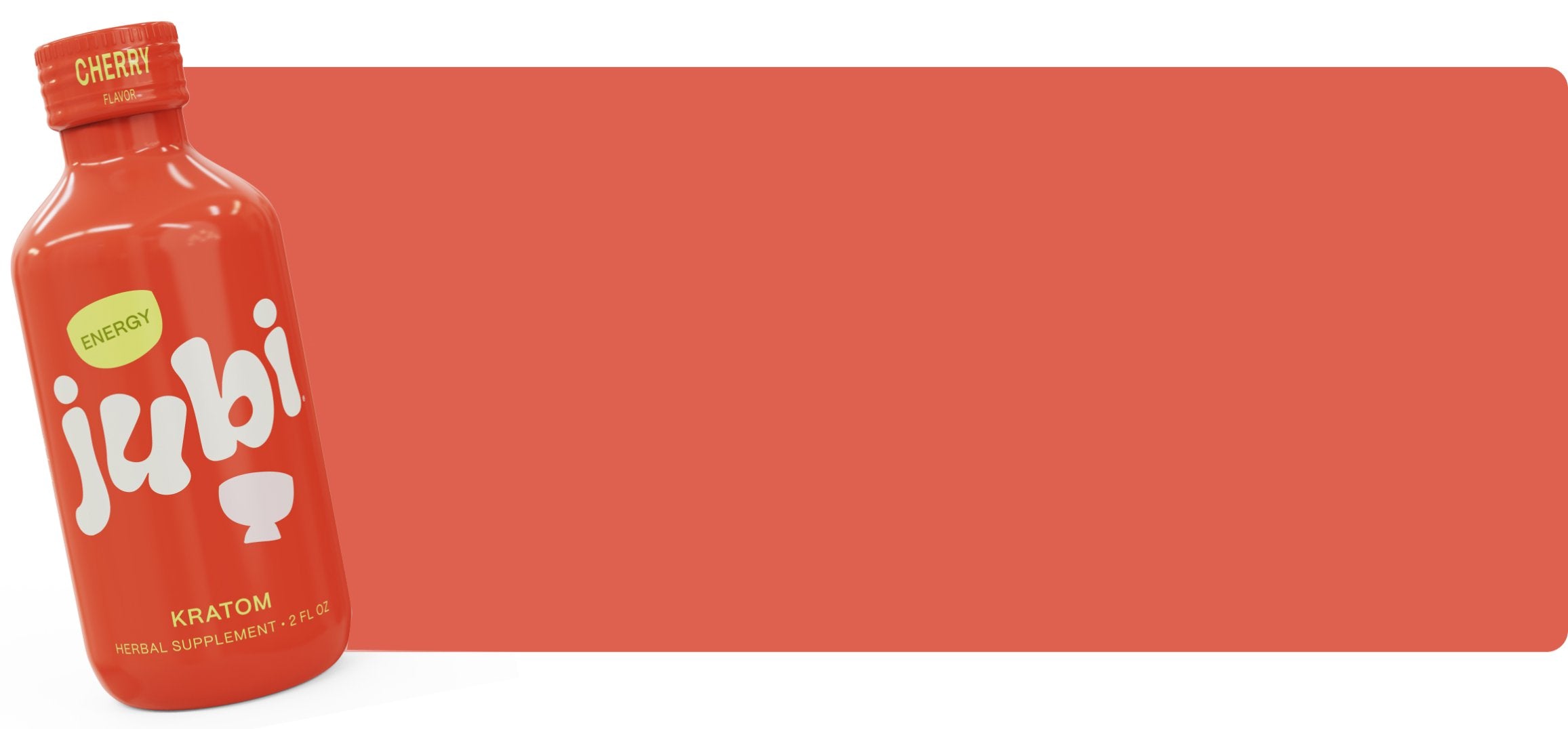
A quick note on Jubi: Jubi does not sell a product labeled "MIT-9." Our wholesale tablets are clearly labeled kratom extract products, with the extract content printed on every pack. If you want to brush up on the term itself, see MIT-9 Tablets Explained: Ingredients, Composition, and Product Types.
Why "MIT-9" Requires Extra Diligence
"MIT-9" is a marketing name, not a regulated ingredient name. It most often refers to 9-O-desmethylmitragynine (9-ODM, also called 9-hydroxycorynantheidine), but formulations vary between brands. Some products sold under the name may contain other alkaloids, including 7-hydroxymitragynine (7-OH). For a retailer, that means the name on the box tells you very little. The paperwork tells you everything.
Step 1: Vet Your Wholesale Supplier
A low case price means nothing if the supplier cannot back up the product. Before you sign up, confirm:
- Business identity: A registered business with a physical address, phone, and named contacts
- A real wholesale program: Dedicated wholesale pricing, terms, and an account process, not just a coupon on the retail site
- Batch COAs for every SKU: Available before you order, not only on request after
- Clear labeling: Extract content per tablet and per pack, ingredient list, lot number, best-by date, 21+ statement, and directions
- Manufacturing standards: Ask where and how products are made and what quality checks are in place
- Shipping coverage: Confirmation that the supplier can legally ship to your location
- Recall and pull process: How the supplier will notify you and handle returns if a product's legal status changes
- Marketing discipline: Any supplier making medical claims about its products is a liability for your store
Step 2: Require Batch COAs for Every SKU
A Certificate of Analysis (COA) is the single most important document you can keep on file. For every SKU and every lot you receive, check that the COA:
- Comes from an independent third-party lab
- Matches the lot number printed on the packaging
- Lists the full alkaloid profile, including whether 7-OH is present and at what level
- Includes safety panels for heavy metals and microbes, and residual solvents for extracts
- Is recent enough to cover the batch on your shelf
Store tip: Keep a binder or shared folder organized by SKU and lot number. Being able to show a COA in seconds builds customer trust and makes inspections easier.
Step 3: Check Label Compliance
Before any product goes on your shelf, check the label against your state and local rules. A compliant label generally includes:
- Product name and brand
- Extract or alkaloid content per tablet and per package
- Full ingredient list
- Lot number and best-by date
- Manufacturer or distributor contact details
- Age restriction (21+ in many areas)
- Directions and warnings
Avoid any product whose label or marketing claims it treats, cures, or prevents a condition. No kratom product is FDA-approved for any medical use, and medical claims can create legal exposure for retailers as well as brands.
Step 4: Set an Age-Gating and ID Policy
Make your ID policy simple and non-negotiable:
- Check government-issued photo ID for every kratom purchase, no exceptions
- Post clear 21+ signage at the display and register
- Keep products behind the counter or in a locked case where required
- Log refusals if your state recommends or requires it
- Train every staff member on the policy, including part-time and weekend staff
Step 5: Know Your State and Local Rules
Kratom rules vary widely by state, county, and city, and they change often. Some areas ban kratom products outright. Others require product registration, specific labeling, age limits, or testing. Check:
- Your state health or agriculture department for kratom rules and any product registration requirements
- Your county and city codes for local bans or ordinances
- Your business license terms for any product restrictions
Florida retailers: Florida's 2026 emergency rule may cover 9-hydroxycorynantheidine, the compound most often marketed as MIT-9. Review the current state rule carefully before stocking any MIT-9 product.
Step 6: Plan for Federal Changes and Product Pulls
In October 2026, the DEA published a notice of intent in the Federal Register to temporarily place 7-hydroxymitragynine (7-OH) in Schedule I when it exceeds 1 mg per gram in solid products or 1 mg per mL in liquids, or when the ratio of mitragynine to 7-OH is under 100 to 1. A temporary scheduling order may take effect on or after November 13, 2026. The notice does not name 9-ODM, but any "MIT-9" product containing added or concentrated 7-OH could be affected.
The FDA has also stated that no kratom product is approved for medical use and has warned about serious adverse events. Read the FDA's kratom overview and the NCCIH kratom page for background.
Build a pull plan now:
- Review COAs for every SKU you carry and flag any product with 7-OH above the proposed thresholds
- Know which supplier contact handles returns and recalls
- Avoid overstocking products with uncertain legal status
- Set up a quick process to remove products from shelves and point-of-sale systems
- Keep records of what was pulled, when, and why
Step 7: Understand MOQs and Case Packs
Every supplier sets its own minimum order quantities (MOQs) and case pack sizes. Before you order, confirm:
- The number of retail units in each wholesale listing or case
- Minimum order value or unit count
- Whether you can mix flavors or SKUs to meet the minimum
- Lead times and shipping costs
- Payment terms and return policy
Start with smaller orders of a few SKUs, track sell-through, then scale what moves.
Step 8: Run the Margin Math
Here is a simple, purely illustrative example. These numbers are made up to show the method and do not reflect any specific Jubi pricing.
- Wholesale cost per case: $100
- Retail units per case: 10
- Cost per unit: $100 / 10 = $10
- Your retail price: $18
- Gross profit per unit: $18 - $10 = $8
- Gross margin: $8 / $18 = about 44%
Then factor in shipping, card fees, shrink, and any units you may need to pull. A product with a slightly lower margin but faster sell-through and fewer compliance risks is often the better choice.
Step 9: Shelf, Storage, and Rotation
- Store tablets in a cool, dry area away from direct sunlight and heat sources
- Keep stock sealed in original packaging until it goes on display
- Use first-in, first-out (FIFO) rotation and check best-by dates every week
- Pull damaged, opened, or expired packs immediately
- Keep display stock behind the counter or in a locked case where required
Step 10: Train Your Staff
Your team is your front line. Make sure every staff member knows:
- The ID policy and how to refuse a sale politely
- Where to find COAs and how to show them to customers
- What they can and cannot say: no medical claims, no promises about effects, and point customers to the label directions
- How to answer "What is MIT-9?" honestly and briefly
- Which products are restricted in your area
- What to do if a product is pulled or recalled
A short written guide at the register goes a long way.
Partner With Jubi Wholesale
Jubi works with smoke shops, vape shops, convenience stores, and distributors that share our focus on clear labels and responsible selling. Our wholesale tablets include:
- Jubi Full Spectrum Kratom Extract Tablets (Wholesale): 5-count blister packs with 300 mg of full-spectrum kratom extract per tablet (1,500 mg per pack), in five flavors. Wholesale listing price: $165.00.
- Jubi Advance Kratom 80% Mitragynine Extract Chewable Tablets (Wholesale): 6-count packs with 150 mg per tablet, in six flavors. Wholesale listing price: $170.00.
Prices were checked at the time of writing and may change. Contact our wholesale team to confirm the unit count per listing, current pricing, and terms.
Browse the full wholesale collection and our curated wholesale lineup.
Ready to get started?
- Learn about the Jubi wholesale program
- Apply for a wholesale account
- Distributors can register here
Shipping Restrictions
Jubi does not ship kratom products to:
- Alabama
- Arkansas
- Connecticut
- Indiana
- Rhode Island
- Vermont
- Wisconsin
- Sarasota County, Florida
- Union County, Mississippi
- Denver, Colorado
- San Diego, California
Restrictions can change. Check the shipping policy before ordering.
More MIT-9 Guides
- MIT-9 Cheap Tablets: Bulk and Wholesale Buying Guide
- MIT-9 Tablets Explained
- MIT-9 Tablets Near Me
- MIT-9 Shots Explained
- MIT-9 Shots Near Me
- MIT-9 Capsules: Formats, Labels and Where to Buy
- MIT-9 Capsules Near Me
FAQ
Does Jubi sell MIT-9 wholesale tablets?
No. Jubi does not sell a product labeled MIT-9. We offer clearly labeled kratom extract tablets through our wholesale program.
What should I ask a wholesale supplier before ordering?
Ask for batch COAs for every SKU, label samples, MOQs, case pack sizes, shipping coverage, and their recall and return process.
Do I need a license or registration to sell kratom tablets?
It depends on your state and city. Some require product registration or specific licensing. Check with your state and local authorities.
How will the DEA notice affect my store?
Products with 7-OH above the proposed thresholds may become Schedule I substances once a temporary order takes effect. Review COAs now and plan to pull any affected stock.
Can I make health claims to sell more?
No. Avoid medical claims entirely. Point customers to the label directions.
What age should I sell to?
21 and older in many areas. Check ID for every sale.
How do I become a Jubi retailer or distributor?
Apply through the wholesale sign-up page or distributor registration.
The Bottom Line
Selling tablets wholesale is about more than case price. Vet your supplier, keep a COA for every batch, check labels against local rules, enforce ID, plan for regulatory change, and train your team. Do that well and you build a category customers trust.
These statements have not been evaluated by the Food and Drug Administration. This product is not intended to diagnose, treat, cure, or prevent any disease. For adults 21+ only. Follow label directions. Do not use if pregnant or nursing, or if you have a medical condition or take medication, without consulting a healthcare professional. Not available in all states or localities.