
If you are researching kratom for the first time, taste is usually the question nobody answers honestly until after the first sip of raw powder.
Short answer: Plain kratom leaf and powder taste bitter, earthy, and grassy - often compared to strong unsweetened green tea or herbal matcha, with a dry, astringent finish. Brewed tea softens the grit but keeps the bitterness. Capsules and chewable tablets mostly bypass the flavor. Modern flavored ready-to-drink (RTD) extract shots are built so the botanical experience feels like a citrus or fruit wellness drink instead of a chore - which is why many first-time buyers start there.
This is an educational taste and format guide for adult wellness shoppers - not medical advice, not a dosing protocol, and not a claim that any product treats disease.
Kratom Taste at a Glance
|
Format |
Typical taste experience |
Best for buyers who... |
|
Raw leaf / powder |
Strongest bitterness; earthy, grassy, drying mouthfeel |
Want lowest cost per serving and do not mind prep |
|
Brewed tea |
Still bitter/herbal; smoother once strained; lemon/honey help |
Like a ritual and can take time to brew |
|
Capsules |
Little to no taste |
Want to skip flavor entirely |
|
Chewable / portable tablets |
Minimal taste; no powder grit |
Prefer pocketable, discreet formats |
|
Flavored RTD extract shots |
Fruit/citrus-forward; bitterness masked or minimized |
Want grab-and-go servings that taste good |
Buyer language is consistent: bitter, earthy, vegetal, tea-like. That is how many people describe dried Mitragyna speciosa leaf - not a quality defect by itself. Bitterness alone is not a reliable potency test.
Why Raw Kratom Tastes the Way It Does
Kratom products come from the leaves of Mitragyna speciosa, a Southeast Asian tree in the coffee family. According to the National Institute on Drug Abuse (NIDA), people typically use kratom as powder, capsules, tea, or liquid extracts. The leaf carries natural plant compounds (including alkaloids such as mitragynine) plus the herbal notes that make unflavored preparations taste sharp on the tongue.
Common first-sip descriptors:
- Bitter - sharper than most grocery green teas
- Earthy - dried herb or soil-adjacent notes
- Grassy / vegetal - wheatgrass or overbrewed tea vibes
- Astringent - a dry, puckering finish that lingers
None of that means "bad product." Raw botanical leaf was never designed to taste like a soda. Traditional users often chewed fresh leaves or drank bitter tea - workable if you grew up with the plant, less appealing as a modern weekday habit.
The FDA's kratom page is worth a calm read: there are no FDA-approved medical uses for kratom, and the agency warns about reported adverse events. Taste guides only help you choose a format you will actually finish.
Powder, Tea, Capsules: How Prep Changes the Experience
Powder is the most intense flavor contact - bitterness and grit land together. Juice or smoothie mix-ins help, but earthy notes often break through.
Tea strains out grit; bitterness remains. Lemon, honey, or ginger help. Cold brew is often milder than a hot, concentrated pot.
Capsules win on taste avoidance - swallow and move on - with slower onset as the trade-off. If zero flavor is your only filter, capsules or tablets are the lane. See also Why Portable MIT Tablets Are Growing in Popularity.
Why Taste Matters for Real-World Routines
Taste is not a vanity metric. It is an adherence metric.
If every serving feels like a dare, you skip days, chase the bottle with three juices, or abandon the category after one bad powder experience. Flavored formats do not magically change what kratom is - they remove friction so you can evaluate the product the way you evaluate any other functional drink: shake, sip, note how you feel, decide if it fits your day.
That is the practical reason flavored extract shots "changed the game" for many first-time buyers:
- Palatability - citrus and fruit profiles mask classic bitter leaf notes
- Speed - no brewing, no scale, no toss-and-wash technique
- Clarity - labeled mitragynine mg per serving instead of guessing powder scoops
- Consistency - same bottle, same flavor cue, same serving ritual
Jubi's product copy puts it plainly: cold-water extraction plus flavor balance aims for a drink that does not leave a harsh bitter aftertaste. You may still notice botanical character underneath - especially in brighter citrus SKUs - but the goal is "refreshing shot," not "endure the leaf."
How Flavored Extract Shots Taste (What to Expect)
A good flavored shot should taste closer to a small citrus or cherry wellness drink than to green sludge: fruit or citrus up front, a short botanical undertone, and a clean finish when the formula is balanced.
Reviews vary. Some Lime Focus drinkers call the lime assertive; others say it tastes surprisingly good. Citrus that covers bitterness will never be as quiet as plain water.
Jubi flavor map for curious first-timers
Use this as a tasting shortlist, not a ranking of "strength equals better":
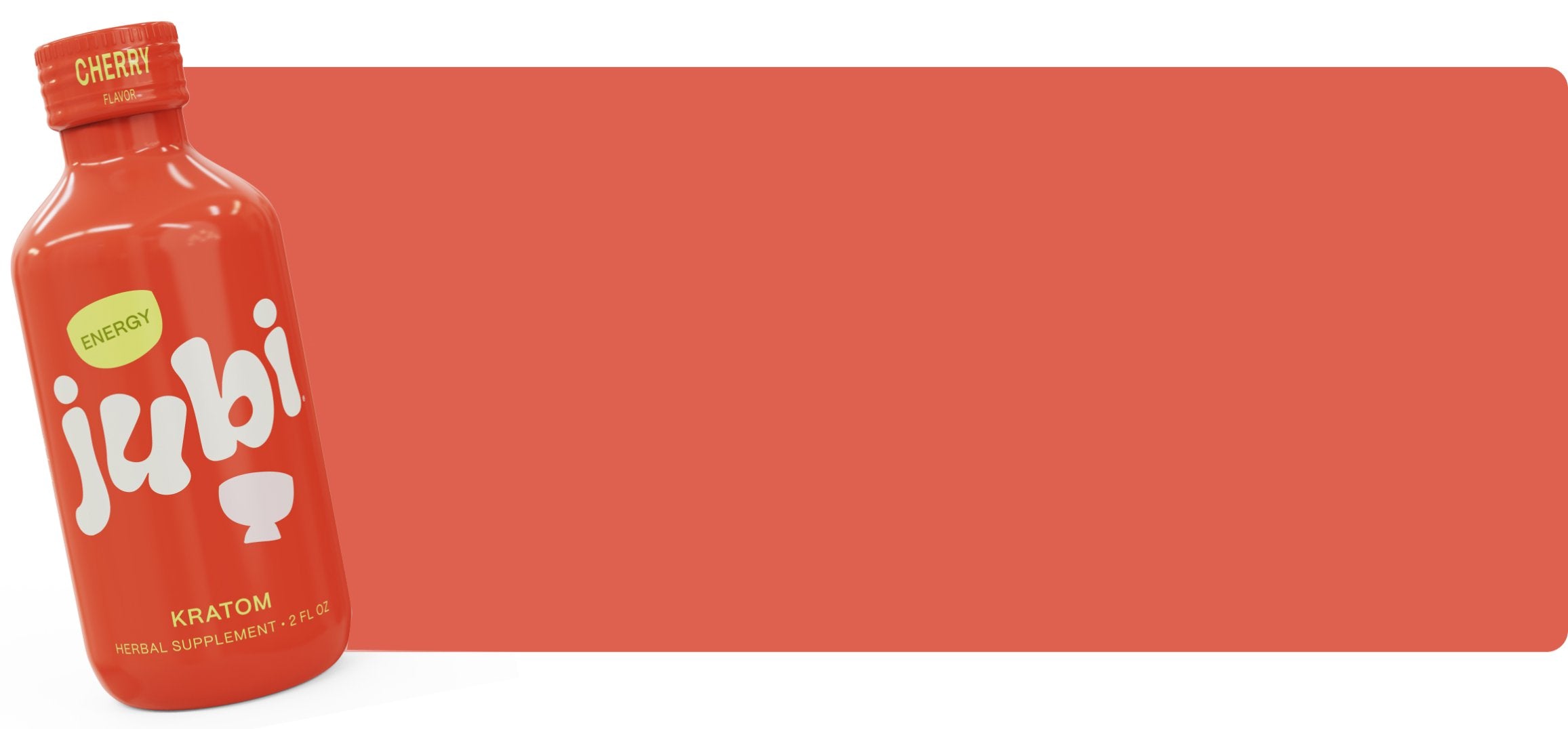
- Cherry Energy Shot - Bold, refreshing cherry with a smooth finish. About 25 mg mitragynine per 1 oz serving (~50 mg per 2 oz bottle). Often the friendliest first flavor for people nervous about bitterness.
- Lime Focus Shot - Bright, tart lime designed to cut earthy notes. 60 mg mitragynine per 1 oz serving (120 mg per 2 oz bottle). Assertive citrus; a few reviewers note a touch of bitterness under the lime - still a world apart from raw powder.
- Piña Colada Relax Shot - Sweet, creamy coconut-pineapple profile (kava + kratom). A different botanical lane for evening unwind tasting - try each plant alone before stacking vibes.
- Trial Pack - Sample Energy, Focus, and Relax flavors one serving at a time so you learn what you actually like.
Many 2 oz bottles are two 1 oz servings. Shake well, follow the label, and do not treat "finish the bottle" as the default first move. For mg math and beginner pacing, read the Kratom Shot Serving Size Guide for Beginners.
Prefer almost no taste at all? Browse the tablets collection.
Flavor vs Format: A Simple Decision Filter
Ask three questions before you buy:
- Will I take this if it tastes bad? If no, skip raw powder for now.
- Do I want a drink moment or zero flavor? Shots = flavored sip; tablets/capsules = bypass.
- Do I need labeled mg I can compare? Choose transparent extract shots or tablets over mystery scoops.
Still torn between SKUs? How to Choose Between Jubi's Most Popular Products maps daypart and vibe. For brand-side flavor craft notes, see Innovative Flavored Kratom - complementary to this buyer-facing taste guide, not a duplicate.
Practical Taste Tips
- Shake RTD shots so settled botanicals remix before you sip.
- Start with one labeled serving of a milder-flavor, lower-mg option if you are brand new.
- Do not judge a shot by powder lore - flavored extracts are a different sensory category.
- Store cool and out of sun so flavor holds; see How to Store Kratom Shots & Tablets.
- Skip alcohol stacking - keep the day simple while you learn a product.
Optional contrast: traditional kava root is also famously bitter. Flavored options like Strawberry Chill use the same idea - fruit notes so unwind routines do not require enduring raw root. Different plant, same buyer problem.
FAQ
Does good kratom taste bad?
Unflavored leaf and powder usually taste bitter. That is common, not a secret quality score. Fresh, clean powder should smell herbal/earthy - not musty or spoiled. Flavor alone cannot prove potency.
Do flavored kratom shots still taste like kratom?
Often you get fruit or citrus first, with a mild botanical undertone. Well-made shots aim for little lingering bitterness. If a bottle tastes like straight leaf tea, the flavor system is underperforming.
What is the best-tasting option for beginners?
Most first-timers prefer a fruit-forward RTD shot or a tablet that bypasses taste. Inside Jubi's lineup, Cherry Energy is the usual "easiest sip" starting point; Lime Focus is brighter and more intense; the Trial Pack lets you compare without committing to one flavor.
Can I make powder taste better at home?
Yes - citrus juice, honey, ginger, or smoothie bases help. You are still managing leaf bitterness, not removing it. If home mixing becomes a daily battle, a flavored shot or tablet is the lower-friction path.
Is taste related to mitragynine milligrams?
Not in a simple one-to-one way. A higher-mg shot can still taste great if flavoring is strong; a low-quality powder can taste terrible at any scoop size. Read mg per serving on the label for strength context, and treat taste as a separate comfort filter.
Soft CTA: Taste the Format That Fits
Curious what modern kratom tastes like when it is not a powder dare? Start with Cherry Energy, step into Lime Focus for assertive citrus and a higher per-serving mitragynine number, or grab the Trial Pack to sample flavors. Prefer no sip? Explore Jubi tablets. Follow the label, start with one serving, and wait before redosing.
Shipping & Legal Note
Kratom access varies by location. Drink Jubi's standing shipping restrictions include Alabama, Arkansas, Indiana, Rhode Island, Vermont, Wisconsin, plus Sarasota County (FL), Union County (MS), Denver (CO), and San Diego (CA). Laws change - verify your state and city rules before you order. For a broader first-time purchase checklist, see How to Buy Kratom Online in 2026.
Disclaimer
This post is for educational purposes only and is not medical advice. Kratom products are not intended to diagnose, treat, cure, or prevent any disease. These statements have not been evaluated by the Food and Drug Administration. For public-health context, review NIDA's kratom page and the FDA and kratom page.
Drink Jubi products are for adults 21+ (or the legal age in your jurisdiction). Do not use if pregnant or nursing. Consult a healthcare professional before use if you have a medical condition or take medications. Do not mix with alcohol, opioids, or sedatives. Do not operate vehicles or heavy machinery if you feel impaired. Keep out of reach of children and pets. Some products may be habit-forming. Follow the product label; start low; wait before redosing; individual responses vary.
*Product milligram amounts reflect recent Drink Jubi label information (Cherry Energy ~25 mg mitragynine per 1 oz; Lime Focus 60 mg per 1 oz). Always confirm the current label on the product page before purchase.