
The real consumer and market forces driving the shift toward portable mitragynine tablets - convenience, standardisation, discretion, and the broader trend toward on-the-go supplement formats that fit modern routines.
Kratom's growth from a niche botanical to a billion-dollar market has been documented extensively. Less examined is how the internal format landscape is shifting within that growth - and specifically why portable tablet formats are gaining ground faster than powder, the category's traditional staple.
The global kratom market reached $2.19 billion in 2024 and is projected to grow to $7.80 billion by 2032 at a compound annual growth rate of 17.2%. Within that growth, capsules and tablets represent the fastest-growing segment as convenience drives consumer preferences. That's a format preference shift driven by specific, identifiable consumer needs - not just novelty or marketing. Understanding what's driving it explains both why MIT tablets are growing in popularity and what they're actually solving for the buyers choosing them.
The Problem MIT Tablets Are Solving
MIT tablets represent the convergence of ancient botanical tradition and modern pharmaceutical technology - designed with precision to solve the most common challenges associated with the raw, powdered leaf. The intensely bitter and earthy taste, the messy and often unpleasant toss-and-wash method of consumption, and the need to consume many large capsules to achieve a single serving are all bypassed. A tablet is clean, precise, convenient, portable, discreet, and completely tasteless.
This description captures the three friction points that consistently prevent powder users from maintaining daily kratom habits and that push experienced users toward tablet formats over time.
Bitterness. Raw kratom powder's taste is one of the most consistent barriers to daily use - and one that requires either palatability workarounds (mixing into drinks, adding sweeteners, consuming with juice) or the toss-and-wash method that most users find progressively less tolerable with repeated daily use. A tasteless compressed tablet bypasses this friction entirely.
Preparation. Powder requires measuring equipment, a vessel, and a preparation step before consumption. Capsules require counting multiple units per dose. A tablet requires nothing but the tablet itself - no equipment, no preparation window, no cleanup. For users integrating kratom into demanding professional routines where preparation time is genuinely limited, this difference is not trivial.
Portability. A container of powder or a pack of capsules requires a dedicated storage solution and doesn't fit naturally into a gym bag, a briefcase front pocket, or a carry-on toiletry kit. A blister pack of tablets or a small bottle occupies the same space as a pack of gum. The portability advantage isn't aesthetic - it determines whether a daily use habit actually sustains across days away from home, travel schedules, and variable routines.
The Standardisation Advantage That's Driving Informed Buyers
Beyond convenience, the growth in MIT tablet popularity among more experienced, more informed buyers is driven by something different: standardisation of active dose.
One of the most common challenges with traditional kratom leaf is natural variation. Since kratom is a plant, potency can differ across batches. A well-crafted kratom extract helps reduce that uncertainty by offering a more standardised experience. This is especially important for consumers who value predictability, wellness-minded routines, and quality control.
The leap this describes - from a variable agricultural product to a standardised, measurable one - is the defining shift that distinguishes MIT tablets from powder in a meaningful way for dose-aware buyers. Powder at 1.4% MIT and powder at 1.8% MIT from the same vendor, in consecutive months, require different gram weights to deliver the same mitragynine dose. MIT tablets that state milligrams of mitragynine per tablet - verified by batch-specific COA - deliver the same active dose regardless of which batch you're on, because the manufacturing process standardises the extract rather than measuring the leaf.
For buyers who have progressed past the exploration phase and are using kratom intentionally for specific daily goals - energy, focus, relaxation - this predictability isn't a luxury. It's what makes consistent results achievable rather than batch-dependent.
The Modern Supplement Format Shift MIT Tablets Reflect
The trend toward portable, standardised tablet formats in the kratom category is part of a broader consumer movement that spans the entire supplement market. Consumers increasingly expect three things: clarity, quality, and convenience. Industry analysis identifies movement toward capsules, softgels, shots, and standardised blends that emphasise consistency and ease of use, alongside discreet packaging and on-the-go formats that align with modern routines.
This isn't a kratom-specific insight - it reflects how supplement consumption has evolved generally. Consumers who carry protein powder, pre-workout, creatine, and a full nootropic stack in a travel kit want every product in that kit to function like a modern supplement: precisely dosed, portable, and discrete. Powder kratom doesn't fit that format expectation. MIT tablets do.
The discretion component deserves specific mention. Kratom remains socially stigmatised in some professional environments despite its legal status in most US states. A tablet is indistinguishable from any other supplement at a desk, in a gym bag, or on a work trip. Powder in a baggie or loose capsules in a jar carry visual associations that can complicate professional contexts where a user would prefer to keep their kratom use private. The discrete format advantage is real and consistently cited by professional-user communities as a reason for the format preference shift.
What the MIT Tablet Format Does Differently From Shots
The other fast-growing portable format in the kratom category is the ready-to-drink shot - and understanding how tablets and shots differ helps clarify which growth driver is operating in each case.
The portable MIT tablet and the portable kratom shot are both solving the convenience-and-standardisation problem - but for different user contexts and preference profiles.
Tablets suit the user who wants a discrete, tasteless, no-preparation solid supplement that fits in a pocket and requires no liquid. The absorption curve is slower and more gradual - forty-five to ninety minutes to full effect - which suits users who want a sustained, extended curve rather than a faster peak. The fixed per-tablet increment means dose adjustment requires splitting (for less) or taking multiple tablets (for more) rather than the fractional sipping flexibility that a liquid format provides.
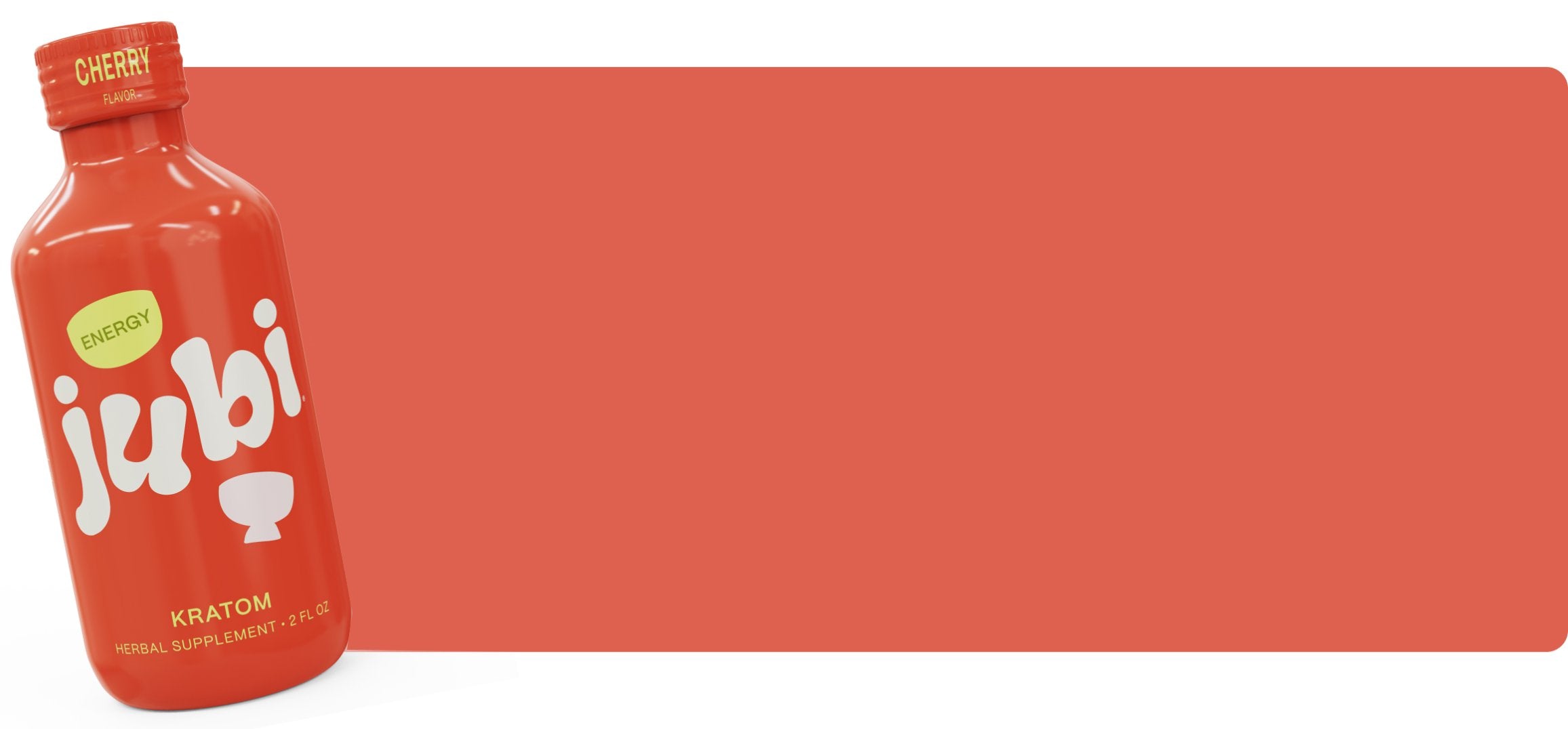
Ready-to-drink shots suit the user who wants faster onset - twenty to forty-five minutes for a pre-dissolved liquid - a flavoured palatability experience, and flexible serving consumption. Jubi's Lime Focus Shot at 60–120mg allows partial serving consumption without the splitting imprecision that tablet halving introduces. The Cherry Energy Shot at 50mg and Kratom Stick Packs at 120mg offer the same standardised milligram-per-serving principle in a format that's genuinely enjoyable to consume rather than purely functional.
The growth in both formats is happening simultaneously - they're serving different consumer segments within the same broader trend toward standardised, portable mitragynine delivery.
The Quality Divide Within the Growing Tablet Market
The growth in MIT tablet popularity has produced a corresponding growth in the number of brands entering the tablet format - and not all of them meet the quality standard that makes the standardisation advantage real rather than label-deep.
The market structure is highly fragmented with low barriers to entry and intense competition. That fragmentation has fostered rapid innovation in product formats, but it has also produced a quality range within the MIT tablet category that is wider than in the powder category. A powder with a batch COA showing 1.6% mitragynine is a straightforward product. A tablet claiming "50mg mitragynine per tablet" from a manufacturer without GMP-certified fill weight controls may vary significantly from tablet to tablet within the same bottle - meaning the standardisation claim on the label isn't backed by the manufacturing process required to deliver it.
The quality markers that distinguish a genuinely standardised MIT tablet from one that merely looks standardised are the same markers covered across this series: batch-specific COA from an ISO 17025-accredited independent lab confirming milligrams per tablet, AKA GMP certification at americankratom.org verifying the manufacturing process, and disclosed 7-OH content confirming whether elevated potency comes from quality mitragynine sourcing or from added 7-OH concentrate. The full verification framework is in How to Find Trusted MIT Products Near Me and What Makes Premium Kratom Different?.
The Consumer Profile Driving MIT Tablet Growth
Understanding who is actually driving the MIT tablet growth trend helps clarify whether this format is right for a specific buyer's situation.
The growth is not primarily driven by first-time kratom users - new users are more commonly entering the category through powder, capsules, and increasingly through ready-to-drink shots that provide a lower barrier to first experience. The MIT tablet growth is driven by experienced kratom users upgrading their format as their use becomes more intentional and more integrated into daily routines.
This is the buyer who has moved past the exploration phase, knows their mitragynine dose, values predictability over variety, and is optimising for seamless daily integration rather than trying out different strains and effects. The tablet's standardisation advantage is most valuable when you already know what you want and want to get it consistently - which is a later-stage user characteristic rather than a first-purchase one.
For buyers earlier in the kratom journey - still calibrating dose response, exploring strain differences, determining whether energy or relaxation use cases better match their needs - the Kratom & Kava Trial Pack or the Kratom & Kava Shot 4-Pack provide the discovery experience that a fixed-dose tablet format doesn't. The full product lineup covers the complete range from first-experience products through experienced-user formats. The full decision framework for choosing between formats is in What to Consider Before Choosing Kratom Tablets.
Frequently Asked Questions
Why are MIT tablets growing faster than powder in the kratom market? Three converging drivers: the portability and discretion advantages over powder, the standardised dosing precision that appeals to experienced users moving beyond batch-percentage calibration, and the broader supplement market shift toward on-the-go formats that fit modern professional routines.
Are MIT tablets better than kratom powder? For experienced users who know their dose and value predictability and portability over flexibility, tablets offer real advantages. For users still calibrating their dose response or wanting maximum gram-level flexibility, powder's adjustability remains an advantage.
What makes a MIT tablet genuinely portable? Size, tastelessness, and no preparation requirement - a tablet fits in a pocket, requires nothing beyond the tablet itself to consume, and leaves no preparation trace. This is meaningfully different from powder (requires a vessel and preparation) and capsules (typically requires multiple units per dose, less discrete in bulk).
How do MIT tablets compare to kratom shots for portability? Tablets have the edge in pure portability - pocket-sized, no liquid required, discrete in any professional context. Shots offer faster onset and flexible partial-serving consumption. Both are standardised-dose portable formats; the choice between them depends on preference for a solid vs. liquid form and onset timing needs.
Is the MIT tablet market reliable in quality? The category is growing faster than quality standards are spreading - meaning the range between the best and worst products in the market is wider than it has been. Batch-specific COA, AKA GMP certification, and disclosed milligrams per tablet are the verification markers that separate genuinely standardised products from those that merely use standardisation language.
These statements have not been evaluated by the Food and Drug Administration. These products are not intended to diagnose, treat, cure, or prevent any disease. Not for sale to persons under the age of 18 or the legal age for kratom use in your state. Consult a healthcare provider before use if you are pregnant, nursing, have a serious medical condition, or take prescription medications. Do not combine kava or kratom with alcohol. Some products may be habit forming or lead to addiction. For the full warning statement, visit DrinkJubi.com.
Jubi does not ship to: Alabama, Arkansas, Indiana, Louisiana, Vermont, Wisconsin, Sarasota County (FL), Union County (MS), Suffolk County (NY), Denver (CO), San Diego (CA), Oceanside (CA), or Washington D.C. Please verify local regulations before purchasing.