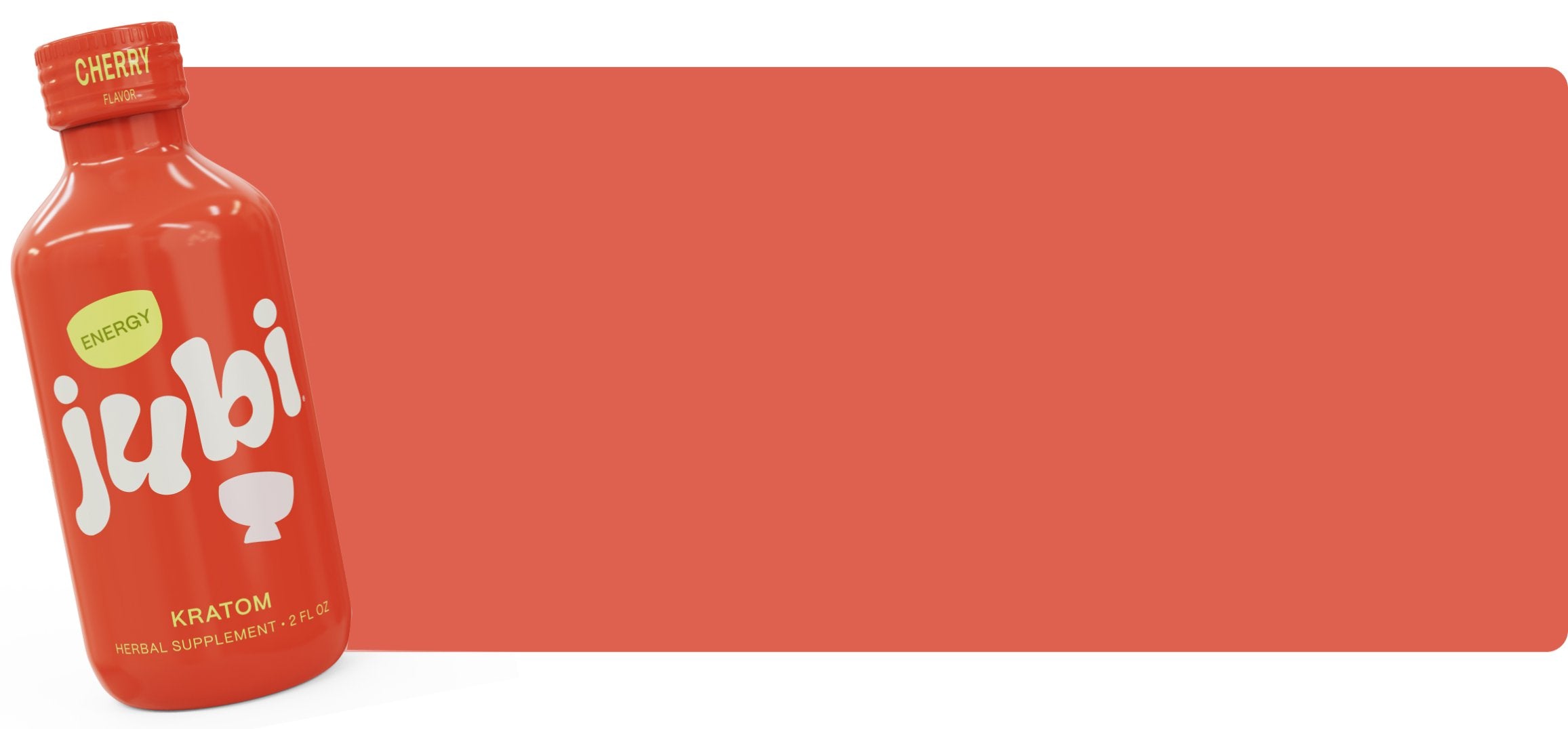

Searching for cheap MIT-9 tablets can bring up products with different prices, tablet counts, potency claims, and ingredient descriptions. At first glance, choosing the least expensive option may seem straightforward. However, the price printed on a product page does not tell you everything about its composition, manufacturing standards, or quality.
MIT commonly refers to mitragynine, one of the principal alkaloids found in the kratom plant (Mitragyna speciosa). The term MIT-9, however, does not have a universally standardized scientific definition that guarantees a specific formulation or concentration. The exact meaning must be established through the manufacturer's product specifications.
This distinction matters when comparing prices. Two products may use similar names but differ in their ingredients, stated quantities, tablet weights, and laboratory documentation. A lower price per tablet does not necessarily mean that two products offer comparable amounts of the same ingredient.
This guide explains how to interpret MIT-9 pricing claims, compare product specifications, understand the difference between extract weight and active ingredient content, and identify quality information that matters more than a discount.
What Does “Cheap MIT-9 Tablets” Mean?
The phrase “cheap MIT-9 tablets” combines a price-related search with a specific product term. People searching it may be looking for affordable options, researching typical product pricing, or trying to understand whether two similarly marketed products are comparable.
The challenge is that cheap is a relative term, and MIT-9 is not a standardized product specification.
A product listed at a lower price might contain fewer tablets, use a different formulation, or provide less clearly documented information about its ingredients. Another product may cost more because of its packaging, manufacturing process, testing, or other factors. Price alone cannot establish which explanation applies.
Understanding MIT and Mitragynine
MIT is a common abbreviation for mitragynine, an alkaloid naturally present in kratom leaves. The term appears in product descriptions, laboratory reports, and discussions about the composition of kratom extracts.
The number “9” in MIT-9 should not automatically be interpreted as 9 mg of mitragynine, 9% concentration, or a specific level of potency. The manufacturer must explicitly explain what the name represents.
Before comparing prices, establish whether the products being evaluated contain the same type of material and whether their stated ingredient quantities can be compared meaningfully.
For more background, read DrinkJubi's MIT vs. Mitragynine: Is There a Difference?.
Why the Lowest Listed Price Can Be Misleading
Consider two hypothetical product listings:
- Product A costs $20 for 10 tablets.
- Product B costs $30 for 20 tablets.
Product A costs $2 per tablet, while Product B costs $1.50 per tablet. On a per-tablet basis, Product B appears less expensive.
However, this comparison does not establish that the products contain the same ingredients, the same amount of mitragynine, or equivalent formulations. It also does not account for shipping costs or differences in product testing.
The meaningful comparison depends on the information disclosed for each product, not just its headline price.
What Determines the Price of MIT-9 Tablets?
Product prices can reflect multiple variables. Understanding them can help explain why similar-looking products have different listed prices without assuming that any single factor guarantees quality.
1. Formulation and Ingredients
A tablet made with kratom leaf powder is compositionally different from one made using a concentrated extract.
Leaf powder contains a mixture of naturally occurring plant constituents. Extracts are produced through processing methods that separate and concentrate constituents from the source material.
The cost of a finished tablet can therefore depend on its raw materials, extraction process, manufacturing requirements, and formulation.
However, the word “extract” does not establish a particular concentration or quality level. The product specification must explain what the extract contains.
2. Stated Mitragynine Content
Some product descriptions list the weight of the tablet or extract, while others state the quantity of mitragynine in milligrams.
These figures are not interchangeable.
A tablet weighing 500 mg does not necessarily contain 500 mg of mitragynine. The weight may include plant material, extract, and supporting ingredients.
Similarly, a statement such as “80% mitragynine extract” describes a claimed concentration, not the total amount of mitragynine in an entire package.
When the label provides sufficient information, the stated amount of active ingredient can help make price comparisons more meaningful. The claim should still be checked against appropriate laboratory documentation.
3. Manufacturing and Quality Controls
Manufacturing consistency matters when a product claims to provide a specified quantity of an ingredient per tablet.
Relevant considerations include production controls, ingredient traceability, batch identification, and the availability of independent laboratory testing.
A product with clear documentation may have a higher listed price for a variety of reasons. Conversely, expensive packaging or premium-sounding marketing does not establish that a product has undergone better quality controls.
The goal is to evaluate verifiable information rather than infer quality from price.
4. Laboratory Testing
Testing can provide information about product composition and potential contaminants. Depending on the formulation, relevant testing may cover alkaloid content, heavy metals, and microbial contamination.
Testing also has a practical role in validating claims made on the label.
The U.S. Food and Drug Administration has reported finding significant lead and nickel levels in some kratom products it tested. Its laboratory analysis of kratom products for heavy metals explains why contaminant testing matters.
A product's price does not reveal whether it has been tested. Look for relevant reports and check whether they correspond to the product and batch being evaluated.
5. Packaging, Distribution, and Retail Costs
The final listed price can also reflect packaging, distribution, retailer margins, and shipping arrangements.
Some sellers may offer different package sizes or promotional prices. Others may include shipping in the displayed price or calculate it separately at checkout.
These differences can affect the total amount paid without changing the product's underlying composition.
For a broader explanation of how sourcing, processing, and testing relate to product quality, read What Makes Premium Kratom Different?.
How to Compare MIT-9 Tablet Prices Fairly
A fair comparison begins with products that have sufficiently clear and comparable specifications.
1. Compare the Total Package Price
Start with the total amount you would pay, including mandatory fees and shipping charges where applicable.
A low advertised price may not represent the final checkout cost. Similarly, a larger package may have a higher total price while offering a lower listed cost per tablet.
For a basic comparison:
Price per tablet = Total package price ÷ Number of tablets
For example, a hypothetical $24 package containing 12 tablets has a price of $2 per tablet before any additional fees.
This calculation is useful for understanding package pricing, but it does not establish comparable ingredient content or product quality.
2. Compare Tablet Count and Product Weight
The number of tablets in a package is only one part of the specification.
A listing might disclose tablet count but not tablet weight. Another might state total product weight without explaining the quantity of its active ingredient.
Both pieces of information can be useful, but neither necessarily reveals how much mitragynine a tablet contains.
Review the complete product description rather than relying on a single number.
3. Check the Declared Active Ingredient Quantity
If a label states mitragynine content, determine whether the quantity applies to each tablet, a serving, or the entire package.
Also check whether the number refers to mitragynine itself or to a larger quantity of extract.
Products that report different measurements cannot be compared accurately without additional information.
4. Account for Shipping and Other Fees
Some product listings display shipping separately. Others may offer free shipping above a specified order value.
For a fair comparison, use the total amount payable for each product rather than the headline price alone.
Taxes, delivery charges, and other mandatory fees can change which product has the lower total cost.
5. Do Not Compare Different Formulations as Though They Were Identical
A conventional kratom leaf formulation, a concentrated mitragynine extract, and a product containing added or concentrated 7-hydroxymitragynine (7-OH) are not interchangeable categories.
Even if their packaging or product names look similar, the ingredients and associated risks can differ substantially.
The FDA advises consumers to avoid products containing added or enhanced 7-OH because of serious safety concerns. See the FDA's guidance on products containing 7-OH.
Price comparisons should begin with the identity and composition of the product, not just its name.
Understanding Price Per Milligram and Extract Concentration
Price-per-unit calculations can be informative, but only when the figures being compared are clearly defined and supported by reliable information.
Tablet Weight vs. Mitragynine Content
Consider a hypothetical 500 mg tablet made using an extract claimed to contain 80% mitragynine.
If the tablet contains exactly 500 mg of that extract and the stated concentration is accurate, the calculated mitragynine content would be 400 mg.
This is an illustrative calculation, not a claim about any MIT-9 product. The result depends on the assumptions being true, including the meaning of the percentage and the actual amount of extract in the finished tablet.
A tablet labeled as containing 500 mg of kratom powder would not automatically have the same mitragynine content.
Price Per Milligram of Verified Mitragynine
Where reliable data are available, the following calculation can help compare like-for-like products:
Price per milligram = Total comparable product cost ÷ Total verified milligrams of mitragynine in the package
For example, suppose a hypothetical package costs $30 and its documentation establishes 300 mg of mitragynine across the package. The calculated cost is $0.10 per milligram.
This is a mathematical illustration, not a price benchmark or recommendation.
The comparison is meaningful only if the ingredient, package quantity, testing basis, and total cost are all clear. If a product lists only extract weight and does not disclose the mitragynine concentration, the calculation cannot be completed reliably.
Why a Precise-Looking Number Is Not Enough
A label that states a specific quantity may appear more informative than a vague description. However, the number remains a manufacturer claim until appropriate evidence supports it.
A batch-specific Certificate of Analysis can help establish what was measured in the tested sample.
For more information about interpreting extract concentration and labeling, see What Is 80% Mitragynine Extract?.
How to Evaluate Quality When Comparing Cheap MIT-9 Tablets
A lower price does not automatically indicate lower quality, just as a higher price does not guarantee better manufacturing. The strongest comparison uses verifiable quality indicators.
1. Review the Complete Ingredient Label
The label should identify the active ingredients and disclose other components as applicable.
Check whether the product clearly distinguishes mitragynine from other alkaloids and whether the name MIT-9 is explicitly defined by the manufacturer.
Do not infer an exact composition from marketing language such as “advanced formula,” “maximum potency,” or “premium extract.”
2. Look for a Batch-Specific Certificate of Analysis
A Certificate of Analysis, or COA, records laboratory testing results for a particular sample.
Depending on the product, relevant information may include:
- Mitragynine concentration or quantity.
- Testing for 7-OH and other relevant alkaloids.
- Heavy-metal screening.
- Microbial testing.
- Sample identification and testing date.
The report should be relevant to the actual product and batch. A general certificate that cannot be connected to the package does not establish its composition.
3. Examine the Laboratory Information
Check who performed the testing and whether the report identifies the methods and results clearly.
Independent testing from a suitably qualified laboratory can provide stronger evidence than a general statement that a product is “lab tested.”
Where applicable, verify any claims about laboratory accreditation and manufacturing certifications rather than relying solely on a logo displayed on the product page.
4. Check Manufacturing and Traceability Information
Clear manufacturer details, batch identification, and consistent product specifications make it easier to understand what is being evaluated.
A product with incomplete labeling or inconsistent documentation presents more uncertainty, regardless of its price.
5. Treat Unsupported Potency Claims Cautiously
Claims about strength should be backed by explicit measurements and appropriate testing.
A low-priced product claiming unusually high mitragynine content deserves careful scrutiny if it does not provide a clear ingredient declaration or supporting documentation.
The objective is not to assume that every inexpensive product is poor quality. It is to recognize when the information provided is insufficient to verify a claim.
For a practical testing checklist, read How to Read a Kratom COA: Lab Testing Checklist Before You Buy.
Cheap MIT-9 Tablets vs. Other Kratom Product Formats
Consumers researching tablets may also encounter capsules, powders, and liquid extracts. Comparing the formats can help explain differences in packaging and product specifications, but it does not establish that the products contain equivalent ingredients.
|
Product format |
Common price-comparison information |
Important limitation |
|
Tablets |
Package price, tablet count, and stated content per tablet |
Tablet count alone does not establish mitragynine quantity |
|
Capsules |
Package price, capsule count, and contents per capsule |
Capsule weight does not establish active alkaloid content |
|
Powder |
Price per gram and available alkaloid testing |
Composition can vary between batches |
|
Liquid extracts |
Bottle price and stated ingredient quantity |
Extract weight and active ingredient content may differ |
|
Ready-to-drink shots |
Price per bottle, bottle volume, and serving information |
Bottle volume does not establish the amount of mitragynine |
These are general comparison categories rather than claims about a specific MIT-9 product.
DrinkJubi publishes information on its kratom-related product formats through its official product collection. Its individual product pages should be used to review the actual ingredients and specifications stated for each product.
For more background on the tablet format and its labeling considerations, read MIT Tablets Explained: Everything You Need to Know.
Common Mistakes to Avoid When Comparing Cheap MIT-9 Tablets
Several pricing mistakes can lead to inaccurate comparisons.
Choosing by Package Price Alone
The least expensive package may contain fewer tablets or provide less information about ingredient composition. Always separate the package cost from the product's disclosed specifications.
Treating Extract Weight as Active Ingredient Content
A tablet's total weight or extract weight does not automatically reveal the quantity of mitragynine it contains.
Check the actual units and determine what each number represents before calculating a price per milligram.
Assuming All MIT-9 Products Use the Same Formula
The product name does not guarantee a universal ingredient list or concentration. Manufacturer documentation is necessary to establish whether two products can be compared meaningfully.
Ignoring Laboratory Testing
A product may have a low listed price but provide no batch-specific evidence for its composition or contaminant screening. This leaves important questions unresolved.
Treating Premium Packaging as Proof of Quality
Professional branding and detailed product photography do not independently confirm ingredient identity, manufacturing consistency, or laboratory results.
Confusing Mitragynine Products With Concentrated 7-OH Products
Mitragynine and 7-hydroxymitragynine are distinct kratom-related alkaloids. Products containing added or enhanced 7-OH raise separate safety concerns and should not be treated as equivalent to conventional kratom leaf formulations.
The FDA's 7-OH safety guidance explains the agency's concerns about these products.
Safety Considerations When Evaluating MIT-9 Tablets
Price and quality comparisons should not overlook health risks. The safety profile of a kratom-related product depends on its ingredients, concentration, formulation, and the individual using it.
The FDA has reported concerns involving kratom products, including potentially harmful heavy-metal contamination. It also warns consumers about products containing added or enhanced 7-OH.
Keep these considerations in mind:
- Do not assume a product is safe because it is inexpensive, expensive, or described as natural.
- Do not infer the amount of an active ingredient from tablet weight alone.
- Do not assume that a product has been independently tested without checking relevant documentation.
- Avoid combining kratom-related products with alcohol, opioids, sedatives, or other substances that may increase risks.
- Consult a qualified healthcare professional about potential interactions, particularly if you take medication or have an existing medical condition.
- Keep products securely stored away from children and pets.
- Review current laws and applicable age restrictions in your jurisdiction.
- Kratom products have not been established as safe and effective treatments for medical conditions through FDA approval. Product descriptions and promotional statements should not be interpreted as proof of medical benefit.
Frequently Asked Questions
What should cheap MIT-9 tablets cost?
There is no single reliable price benchmark for all products marketed as MIT-9 because the term does not establish a standardized formulation or ingredient concentration. A meaningful comparison requires the actual product specifications, package quantity, total cost, and available quality documentation.
Does a lower price mean lower product quality?
Not necessarily. Products can differ in packaging, distribution costs, manufacturing, and formulation. Price alone cannot confirm quality in either direction. Look for clear ingredient labeling, traceable batch information, and relevant laboratory testing.
How do I compare the prices of two MIT-9 tablet products?
Start by comparing the total package cost, tablet count, and stated formulation. If both products disclose a comparable and verified amount of mitragynine, a price-per-milligram calculation may be possible. If the ingredient quantities are unclear or refer to different measurements, the comparison remains incomplete.
Is price per tablet a reliable comparison?
It is useful for comparing packaging costs, but not enough to establish equivalent ingredient content. Two tablets can have different weights, formulations, and mitragynine concentrations.
What is the difference between tablet weight and mitragynine content?
Tablet weight describes the mass of the finished tablet or its contents, depending on the label. Mitragynine content describes the amount of that particular alkaloid. The figures are not interchangeable, especially when a tablet contains plant powder, extract, or supporting ingredients.
How can I check whether a product's potency claim is accurate?
Review the product specification and look for a relevant, batch-specific COA that supports the stated quantity. Check whether the testing report identifies the sample and reports the measurements in understandable units. If the available documentation does not support the claim, the precise content remains uncertain.
What is the difference between mitragynine and 7-OH tablets?
Mitragynine and 7-hydroxymitragynine are distinct compounds. Products containing added or enhanced 7-OH should not be assumed equivalent to conventional kratom leaf products. The FDA warns consumers to avoid 7-OH products because of serious safety concerns.
Where can I learn more about MIT tablet quality?
DrinkJubi's MIT Tablets Explained, What Makes Premium Kratom Different?, and How to Read a Kratom COA provide further information about product specifications, quality indicators, and laboratory documentation.
The Bottom Line
Comparing cheap MIT-9 tablets requires more than looking at the lowest listed price. Because MIT-9 is not a universally standardized formulation, products using similar names may have different ingredients, concentrations, and levels of supporting documentation.
Start with the total package cost, then review the tablet count, ingredient declaration, stated mitragynine content, and available laboratory results. Price-per-tablet calculations can help compare packaging costs, while price-per-milligram calculations are meaningful only when comparable ingredient quantities have been reliably established.
Quality should be judged by verifiable product information, not by price or branding alone. A lower price does not automatically indicate poor quality, and a higher price does not guarantee better testing or manufacturing.
Disclaimer: This article is for informational and educational purposes only and is not medical or legal advice. The FDA has not approved kratom products to treat medical conditions and warns about serious health risks associated with kratom and concentrated 7-OH products. Consult a qualified healthcare professional for medical questions and relevant official authorities for current legal requirements.